Satellite Town
Details
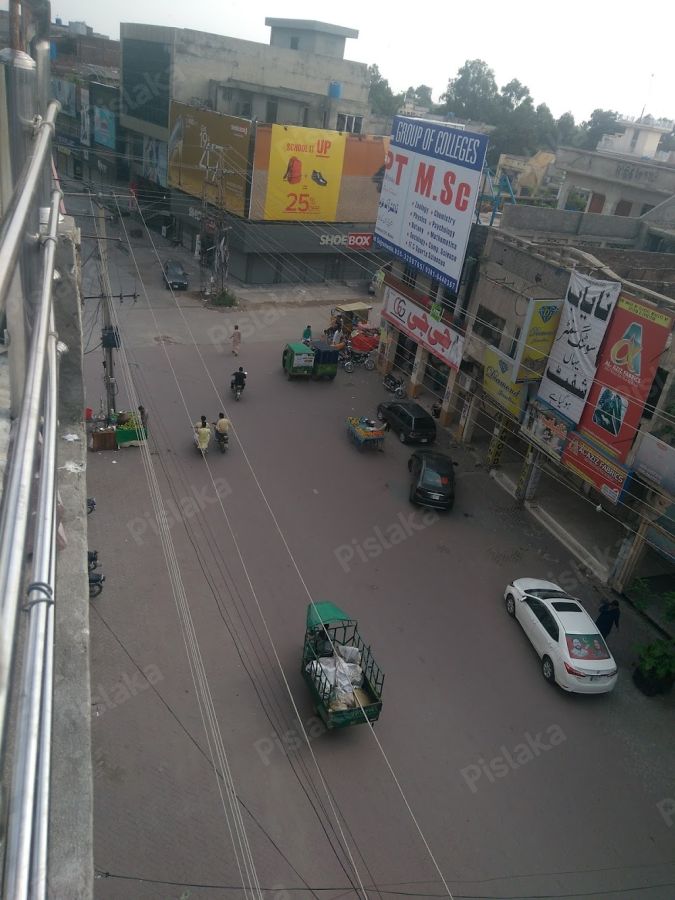
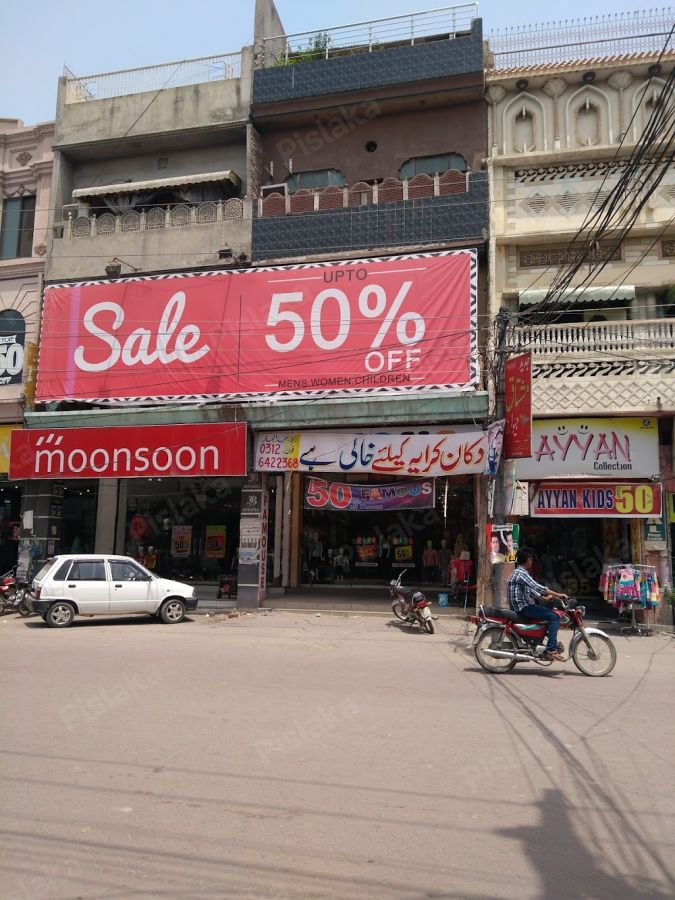
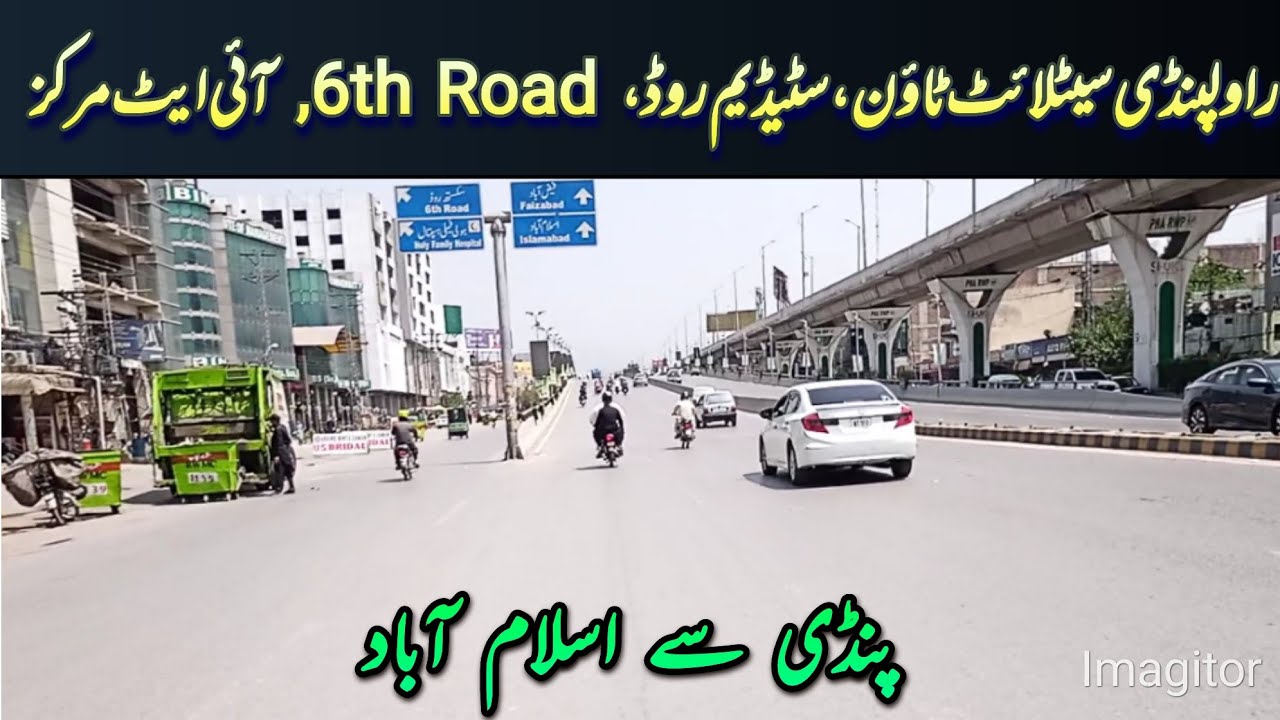
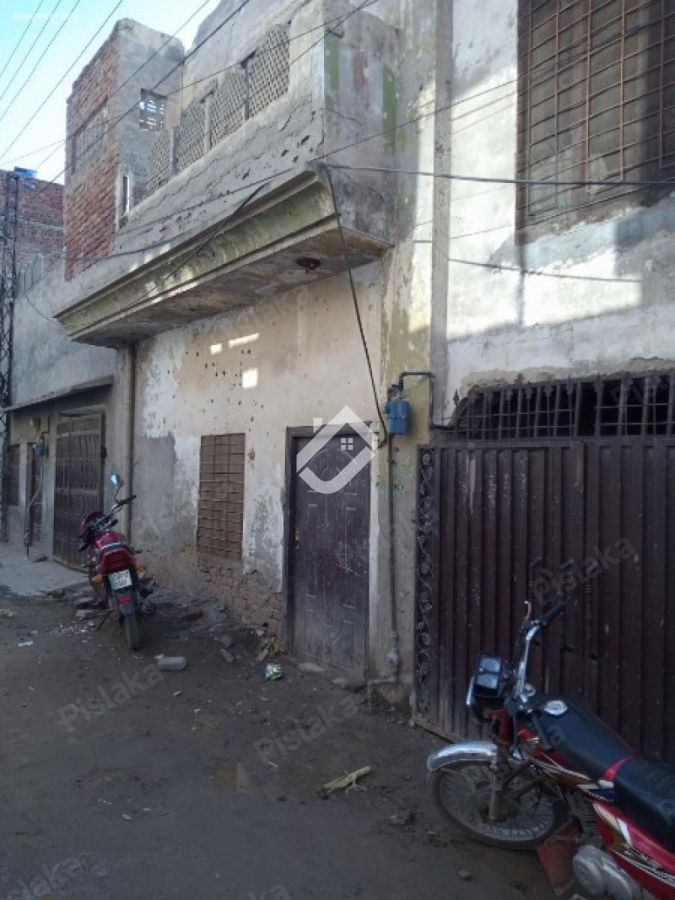
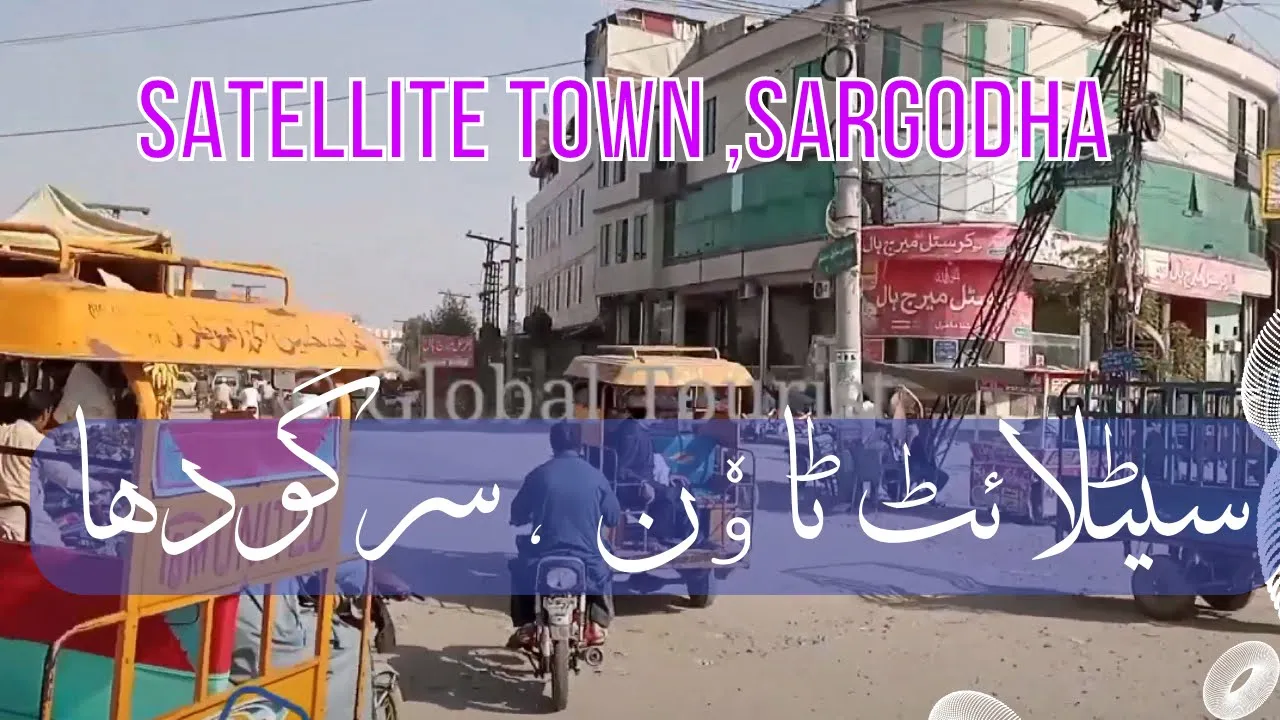
Satellite Town Lahore is a planned residential neighbourhood originally developed by the Lahore Development Authority (LDA) as a mixed-use scheme, with later expansions by private builders. The community offers a grid of wide avenues, gated plots ranging from 5 Marla to 1 Kanal, and essential amenities such as parks, mosques, schools, and a commercial center. Its key attractions are excellent connectivity to the Lahore Ring Road, GT Road, and CPEC link, a short drive to the international airport, and a reputation for solid infrastructure and growing property values.
- Developer: Originally developed by the Lahore Development Authority (LDA), with later phases expanded by several private builders.
- Ideal For: Ideal for middle- and upper-middle-income families, expatriates, and investors seeking a stable, well-serviced community with strong resale potential and easy access to Lahore's main corridors.
Map-calculated
In total
In total
Latest Updates
Punjab Government Launches Enforcement Drive Against Encroachments in Satellite Town, Lahore
The Punjab government has initiated an enforcement drive targeting illegal encroachments and unauthorized constructions in the commercial zones of Satellite Town, Lahore. Authorities are actively identifying and removing properties that lack proper ownership documentation as part of a broader effort to regularize land use in the area. The residential market remains stable with no major new development projects announced for the neighborhood.
Lahore Smart City Announces Major Development Milestones and New Villa Projects
Lahore Smart City is rapidly progressing with accelerated development in its Overseas Prime and Overseas West blocks. Grey structures for 5 Marla, 10 Marla, and 1 Kanal villas are largely complete, with construction actively underway on roads, fencing, sewerage, and utilities. The project offers special payment benefits, including discounts for early payments, and features various architectural styles. The management has also announced policies allowing members to merge files to manage payments, with deadlines for such actions.
New City Paradise Lahore Announces Phase 1 Development and Strategic Expansion
New City Paradise Lahore, a RUDA-backed project, has launched its development phase. Phase 1 is underway with road networks, utilities, and plot development, targeting possession readiness. The project emphasizes strategic location near key motorways and plans future expansions including new sectors, a commercial mega mall, and high-end apartments. The development timeline outlines progress from 2024 groundwork to a 2025 launch and further expansion from 2026 onward.
Study Uses Satellite Data to Analyze Urban Expansion and Land Cover Change in Lahore
A 2025 study published in the International Journal of Innovations in Science & Technology used multi-temporal Landsat satellite imagery to assess urban expansion and land cover changes in Lahore from 2003 to 2023. The research found that the built-up area expanded by 486 km², primarily at the cost of agricultural land and vegetation. The analysis revealed a significant increase in urbanized land, highlighting the rapid transformation of the city's landscape over two decades.

Well-planned with wide, paved roads, underground electricity supply, dedicated water tanks, and regular security patrols.

Family-friendly community with developed parks and commercial zones for convenient shopping, dining, and recreational options, fostering social cohesion.
Good schools with caring staff and a safe, nurturing learning environment.

Delayed or incomplete drainage-system repairs and occasional water-supply shortages.
Occasional security lapses or maintenance backlogs that affect livability.
Higher than average electricity prices and perceived unfair charges from the development authority.