Railway Burt Colony

Details
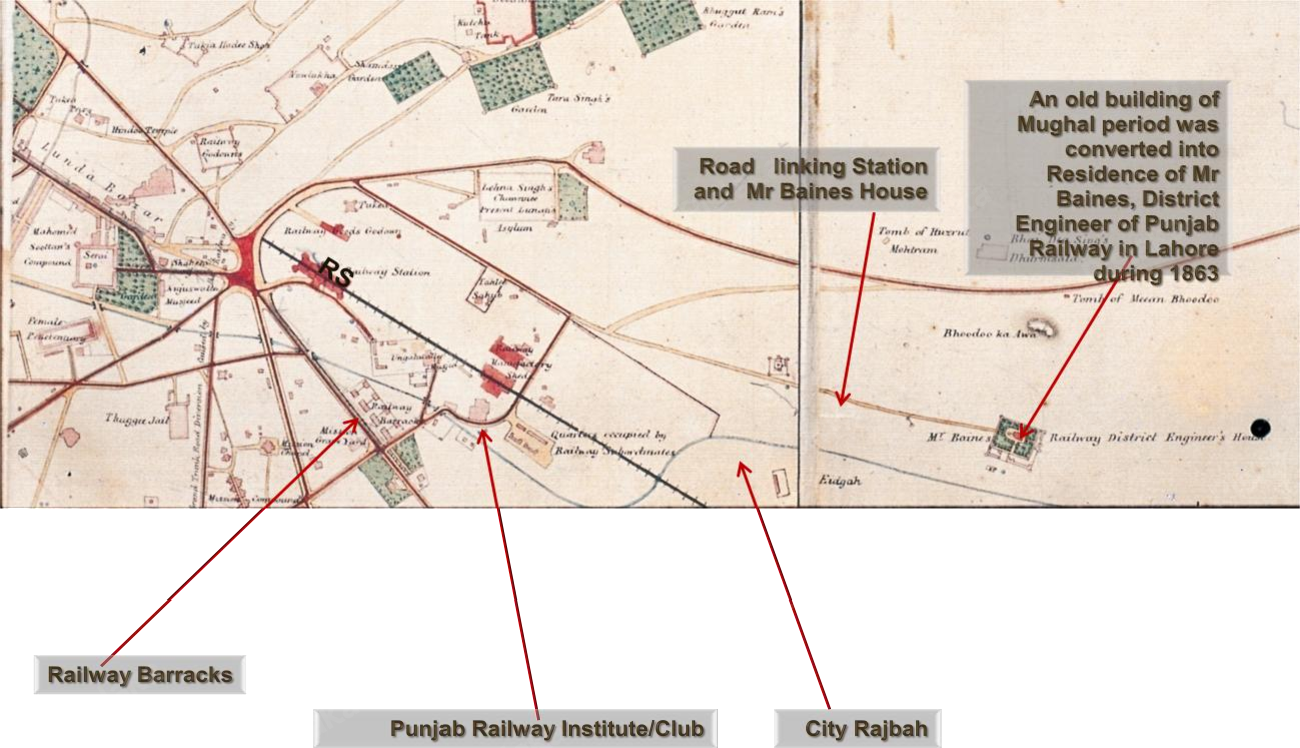
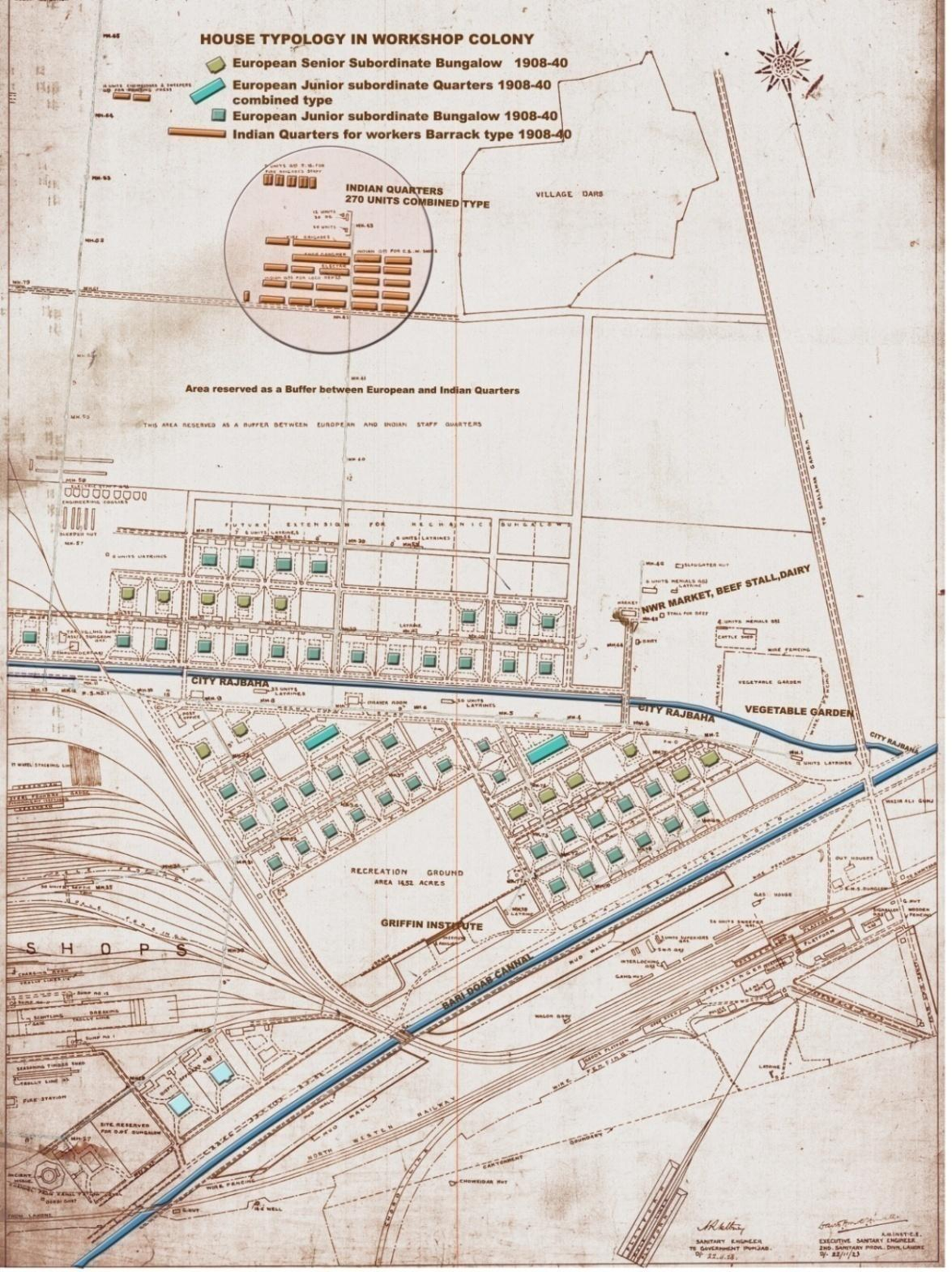
Railway Burt Colony is a residential community in Lahore originally developed for railway employees. It has evolved into a stable and peaceful neighborhood with good infrastructure and connectivity. The area is known for its affordable housing options and offers a safe, family-friendly environment for residents.
- Developer: Pakistan Railways – a government-owned railway organization.
- Ideal For: Best suited for families and professionals seeking a secure, well-connected, and budget-friendly residential area.
Map-calculated
In total
In total
Latest Updates
Burt Hall Hosts Major Karate Events and National Training Programs in 2026
The historic Burt Hall (Burt Institute) in Railway Colony, Garhi Shahu, Lahore, continues to serve as a vibrant community and sports hub. In May 2026, it hosted the TRAIL outdoor-learning event, the National Referees, Judges & Coaches Course, and a national karate championship. These events underscore its active role in national sports development and youth engagement.
ShinKyokushinkai Karate Pakistan Establishes Permanent Training Base at Burt Institute
The ShinKyokushinkai Karate Pakistan association has formally established its headquarters and training center at the Burt Institute in Railway Colony, Lahore. The facility is now used for regular classes, national-level coaching courses, and major tournaments like the Dream Cup Karate Festival 2025, confirming its status as a central martial arts hub.
Ongoing Heritage Concerns and Community Advocacy for Burt Hall Preservation
Despite its active use, the historic Burt Hall faces significant preservation challenges. Local reports and heritage documentation highlight its rapid deterioration due to negligence and lack of maintenance. There are persistent calls from community members and cultural commentators to protect the building, emphasizing the need to find a new, sustainable function that preserves its colonial-era architectural and cultural significance.