BOR Board of Revenue Housing Society

Details
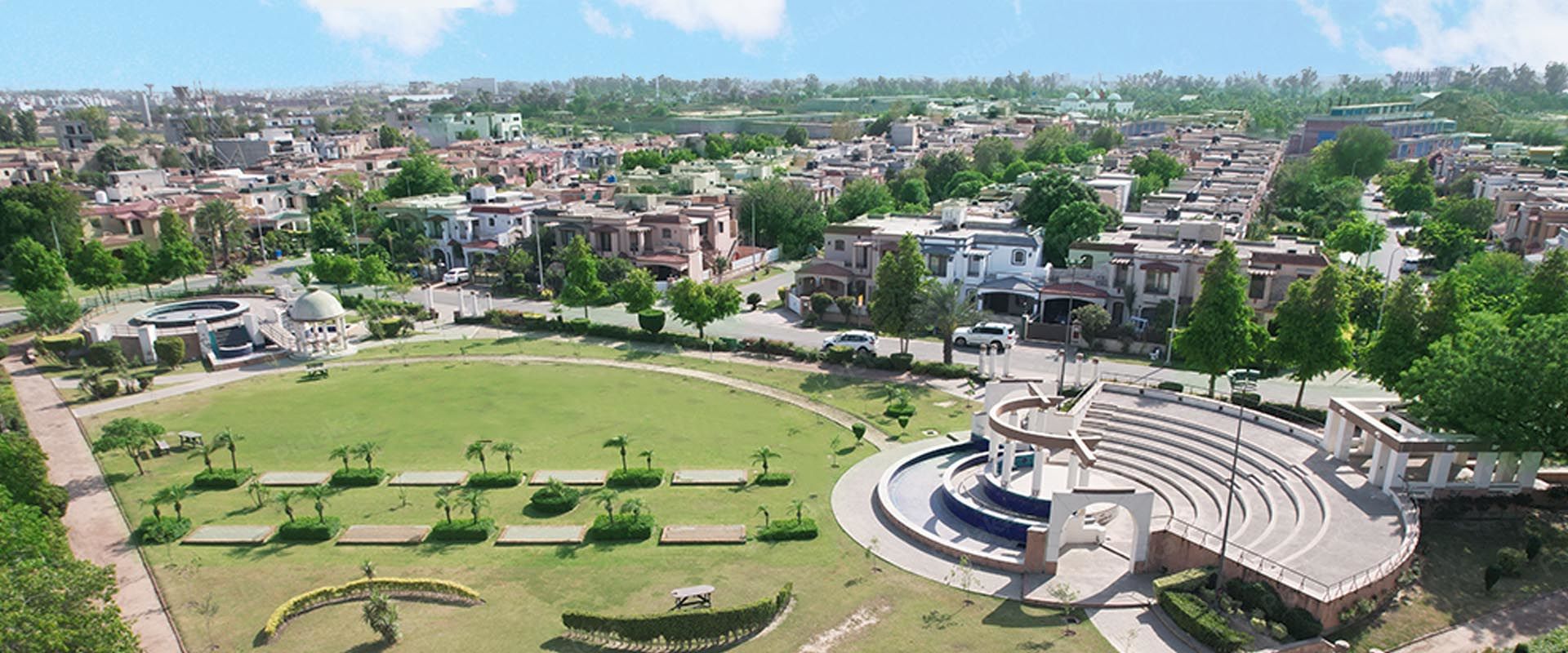
BOR Board of Revenue Housing Society is a government-affiliated residential community developed by the Punjab Board of Revenue Employees Cooperative Housing Society. It offers a fully gated environment with modern infrastructure, wide internal roads, reliable utilities, and security gates. The society is known for its organized plot sizes from 3 Marla to 1.5 Kanal and its prime location near Model Town and Faisal Town, providing easy access to educational, health, and shopping facilities.
- Developer: Punjab Board of Revenue Employees Cooperative Housing Society (a government-affiliated cooperative)
- Ideal For: Ideal for families seeking a peaceful, secure living environment and investors looking for stable rental or resale opportunities in a reputable Lahore suburb.
Map-calculated
In total
In total
Latest Updates
NAB Accelerates Possession for Board of Revenue Housing Society Victims
The National Accountability Bureau (NAB) has intervened decisively in the long-pending Board of Revenue Housing Society case, issuing allocation letters to thousands of affected members and accelerating physical possession. In January 2025, 6,750 members received allocation letters with a three-year possession commitment; however, the process advanced faster than scheduled, and 2,988 victims received possession letters at a formal ceremony in Lahore ahead of timeline. This breakthrough followed the 2024 merger of the housing society with Lake City Holdings, enabling coordinated resolution efforts.
Punjab Government Introduces Stricter Legislation Against Illegal Housing Schemes
The Punjab government, led by Housing Minister Bilal Yasin, held a high-level meeting at the Board of Revenue (BoR) in December 2025 to approve stricter legislation targeting illegal housing schemes, land mafia activity, and fraudulent plot sales. Senior officials from BoR, LDA, PLRA, RUDA, WASA, and other departments attended. The initiative includes developing a province-wide software system for transparent housing scheme approvals and resolving digital revenue record issues within 90 days.
BoR and LDA Review Proposal to Regularise Unapproved Housing Societies
The Board of Revenue (BoR), in consultation with the Lahore Development Authority (LDA), is actively reviewing a proposal to regularise existing unapproved housing societies under significantly tighter regulations and enforcement. If approved, the framework would impose heavy fines on developers, convert non-compoundable violations into compoundable ones, and mandate corrective infrastructure measures—such as road widening and greenbelt development—to bring schemes into compliance, aiming to eliminate future illegal developments.