Gulshan e Ravi







Details
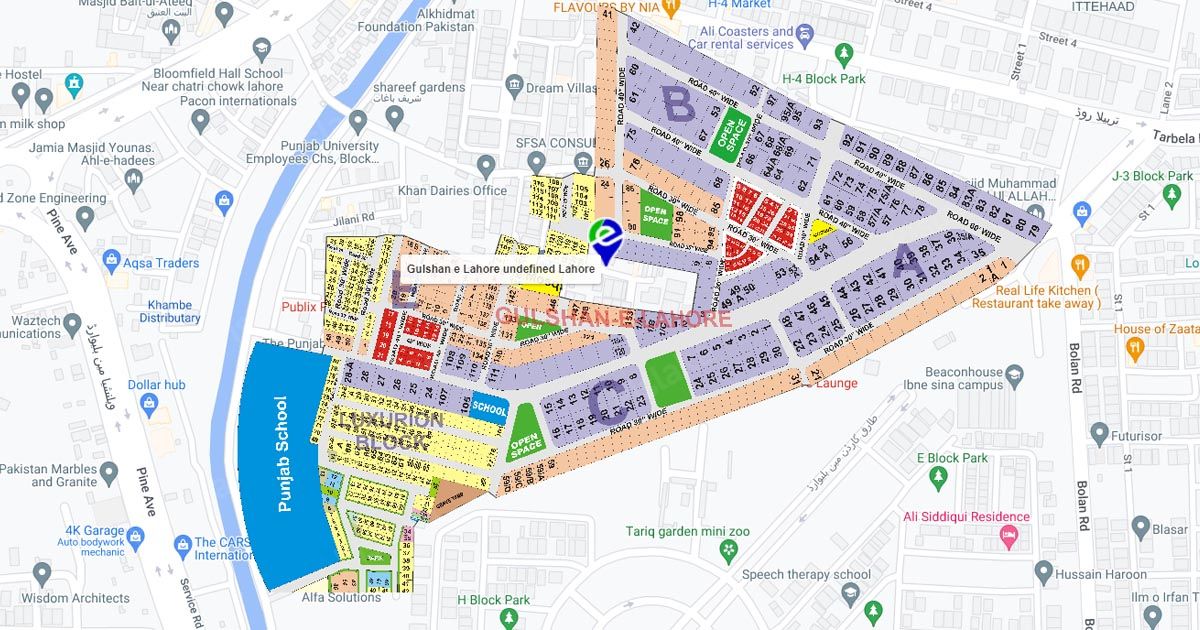
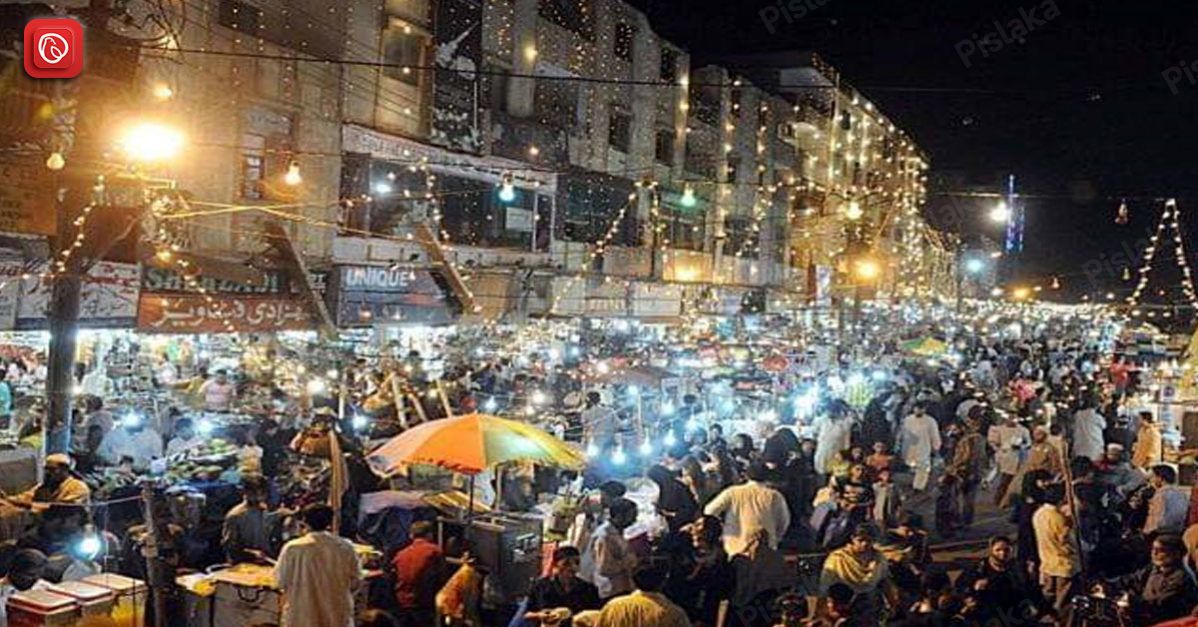
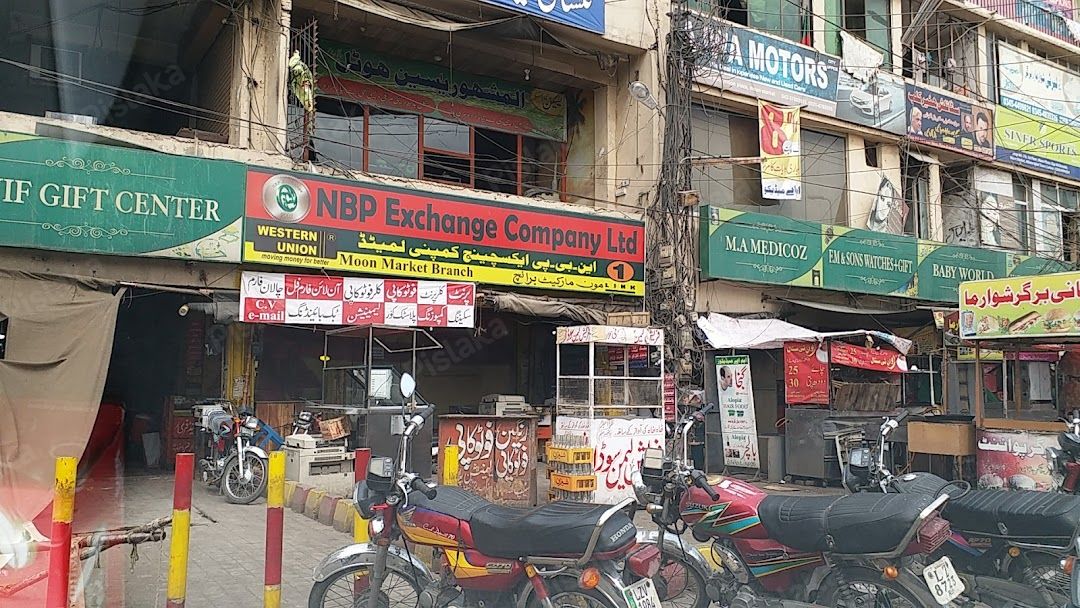
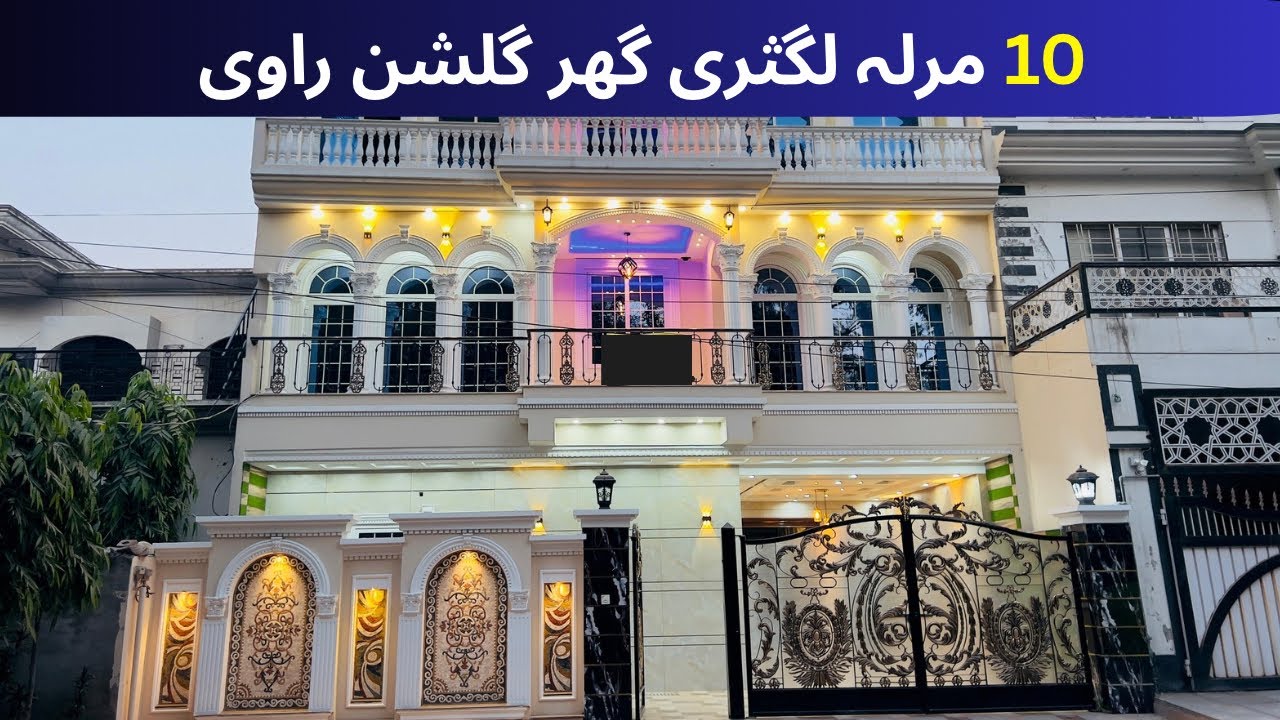
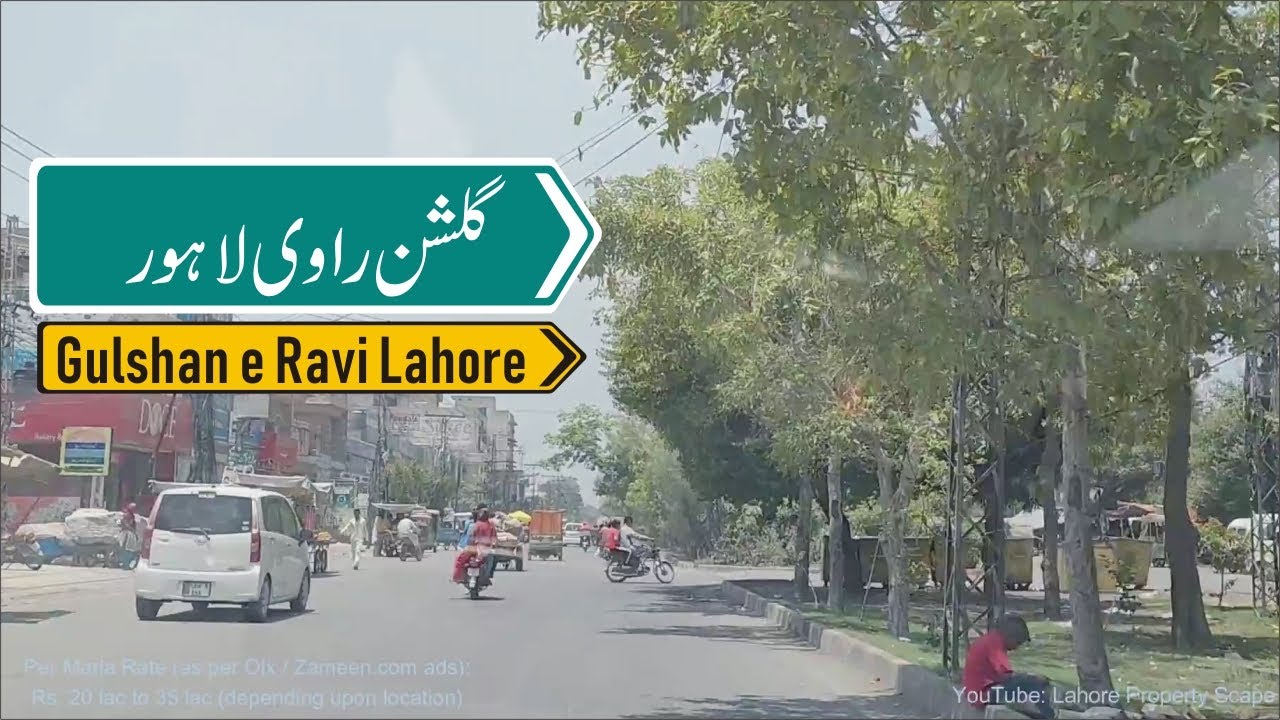
Gulshan‑e‑Ravi is a well‑planned, established residential neighbourhood developed in the 1970s by the Lahore Development Authority (LDA) in the Samanabad zone of Lahore. It spans approximately 4,791 kanals, is systematically divided into blocks A through H, and offers a mix of residential and commercial plots. The area is renowned for its strategic location with excellent connectivity, organized infrastructure, and a comprehensive range of amenities including schools, hospitals, parks, and a high concentration of banquet halls, making it a self‑sufficient community.
- Developer: Lahore Development Authority (LDA), a government body known for planning and developing residential areas in Lahore.
- Ideal For: It is ideal for families seeking a secure, comfortable lifestyle with all modern conveniences within reach, as well as for investors looking for properties with stable appreciation and consistent rental demand in a prime location.
Map-calculated
In total
In total
Latest Updates
Severe Urban Flooding and High-Flood Alert for Ravi River in Gulshan-e-Ravi
Heavy rainfall over recent days triggered severe urban flooding across Gulshan-e-Ravi, submerging streets and low-lying areas and forcing residents to seek higher ground. Concurrently, the National Disaster Management Authority (NDMA) issued a high-flood alert for the Ravi River following upstream water releases from India—particularly from the Thein Dam—which raised river levels significantly. Authorities ordered evacuations in vulnerable neighborhoods, deployed rescue teams, set up temporary shelters, and urged citizens to avoid travel on flooded roads until conditions stabilize.
Lahore Water & Wastewater Management Project: New Trunk Sewer and Disposal Station at Gulshan-e-Ravi
A major infrastructure initiative—the Lahore Water & Wastewater Management Project (LWMMP)—is advancing with construction of a modern 32.37-kilometer trunk sewer system and a new 688-cusec pumping and disposal station at Gulshan-e-Ravi. Using trenchless micro-tunneling technology, the project aims to safely transport wastewater for 2.35 million people, eliminate 22 intermediate pumping stations, reduce electricity use and greenhouse gas emissions, and integrate a 450-kW solar PV system at the disposal station to enhance sustainability and operational resilience.
Infrastructure Degradation and Public Safety Concerns in Gulshan-e-Ravi
Ongoing infrastructure challenges persist in Gulshan-e-Ravi, including deteriorating road conditions and public safety hazards. A pothole formed near Rustam Park, highlighting concerns about road maintenance and flood-related damage. Additionally, a massive fire destroyed multiple buses at a local workshop, underscoring vulnerabilities in industrial safety and emergency response capacity in the area.
House Price
PKR 23701/sq.ft
YoY +16.37%
Plot Price
PKR 4000/sq.ft
YoY N/A
Commercial Price
PKR 18056/sq.ft
YoY N/A

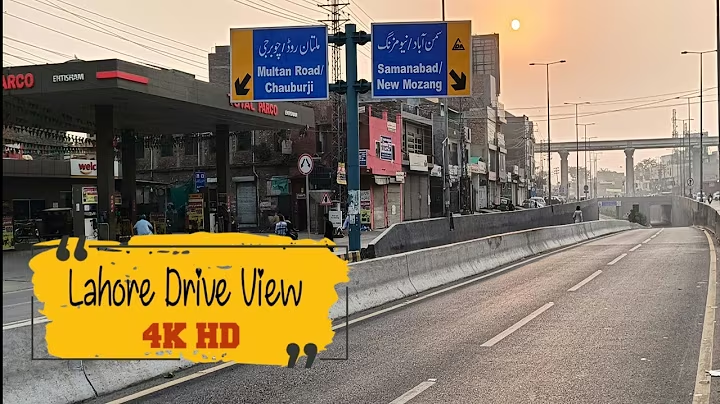
Prime location with excellent connectivity and easy access to major roads (Multan Road, Band Road, Ring Road), commercial hubs, and other parts of Lahore.

Peaceful, family-friendly environment with a strong community spirit, friendly neighbors, active social interaction, and a blend of urban convenience with tranquility.
Considered a secure area with 24/7 police patrolling, CCTV surveillance, and gated communities in some blocks, fostering a sense of safety.
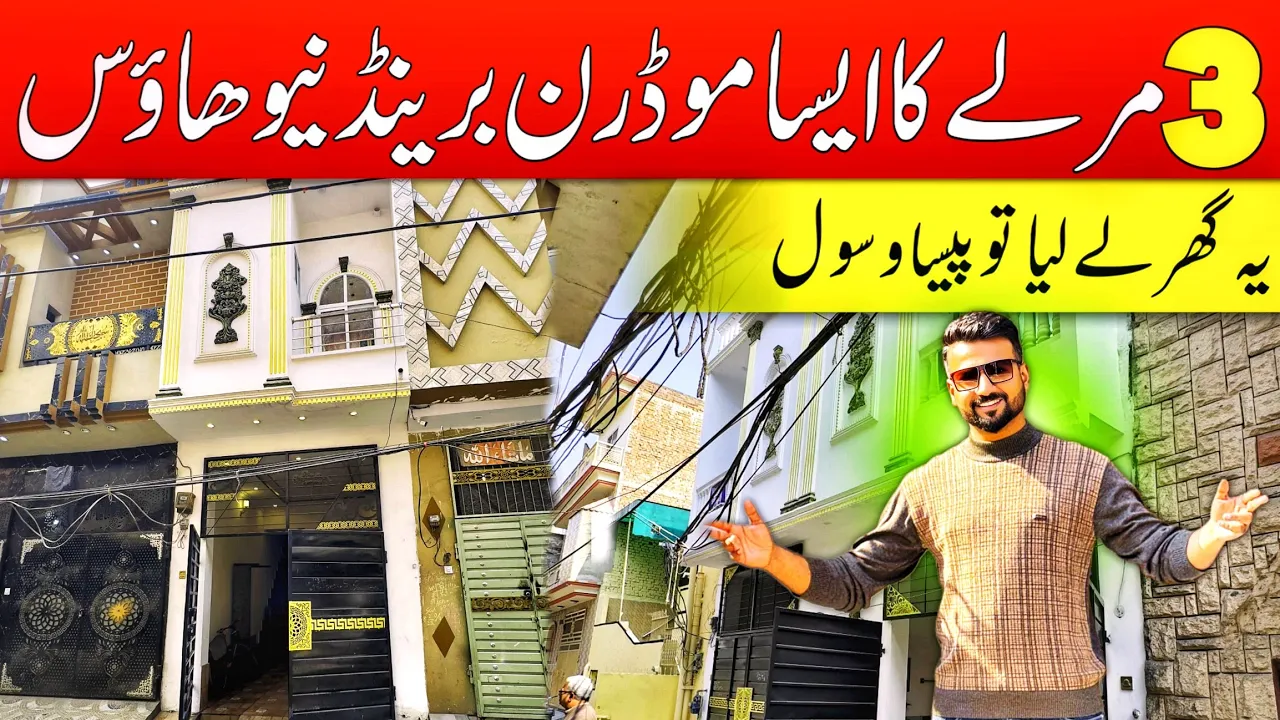
Offers a variety of residential housing options (e.g., 5 Marla, 10 Marla, 1 Kanal) and is relatively more affordable compared to some other Lahore zones.
Strong real estate investment potential with consistent property price appreciation, high rental yields, and high demand for both residential and commercial properties.
Abundant essential amenities within walking distance, including high-quality schools, colleges, hospitals, clinics, pharmacies, markets, banks, parks, and marriage halls.
Well-developed infrastructure with wide, well-maintained roads, modern drainage systems, and planned residential blocks.

Overcrowding, strain on utilities, and rising costs of goods due to high population density and migrant influx.
Overall lower resident satisfaction compared with other zones in Lahore.
Heavy traffic congestion during peak hours.
Limited high-rise development and shortage of modern housing options.
Frequent water-supply shortages exacerbated by rapid population growth and migrant settlement.
Shortage of green spaces and parks. Residents in the Ravi zone are among the least satisfied with urban green space services in Lahore.