Muslim Colony



Details
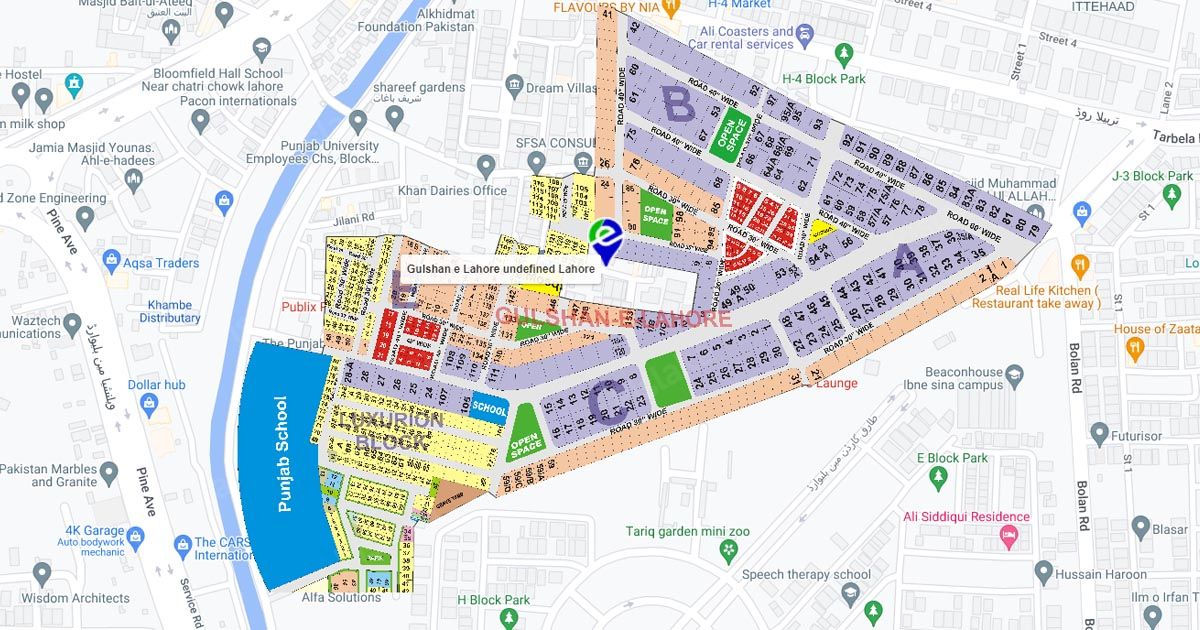
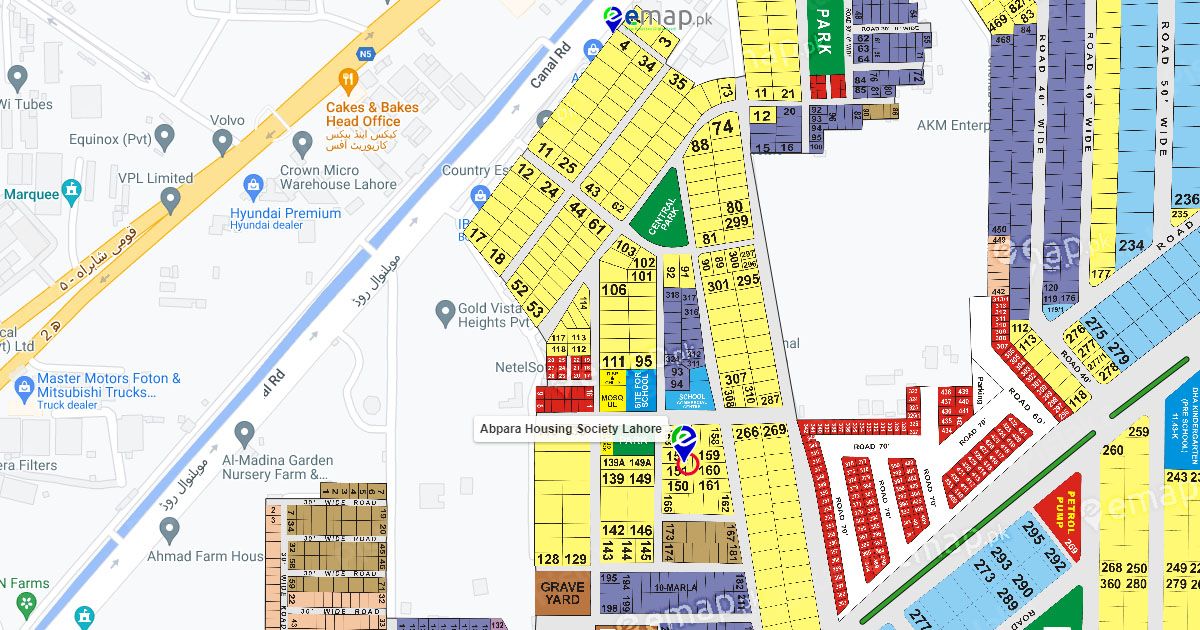
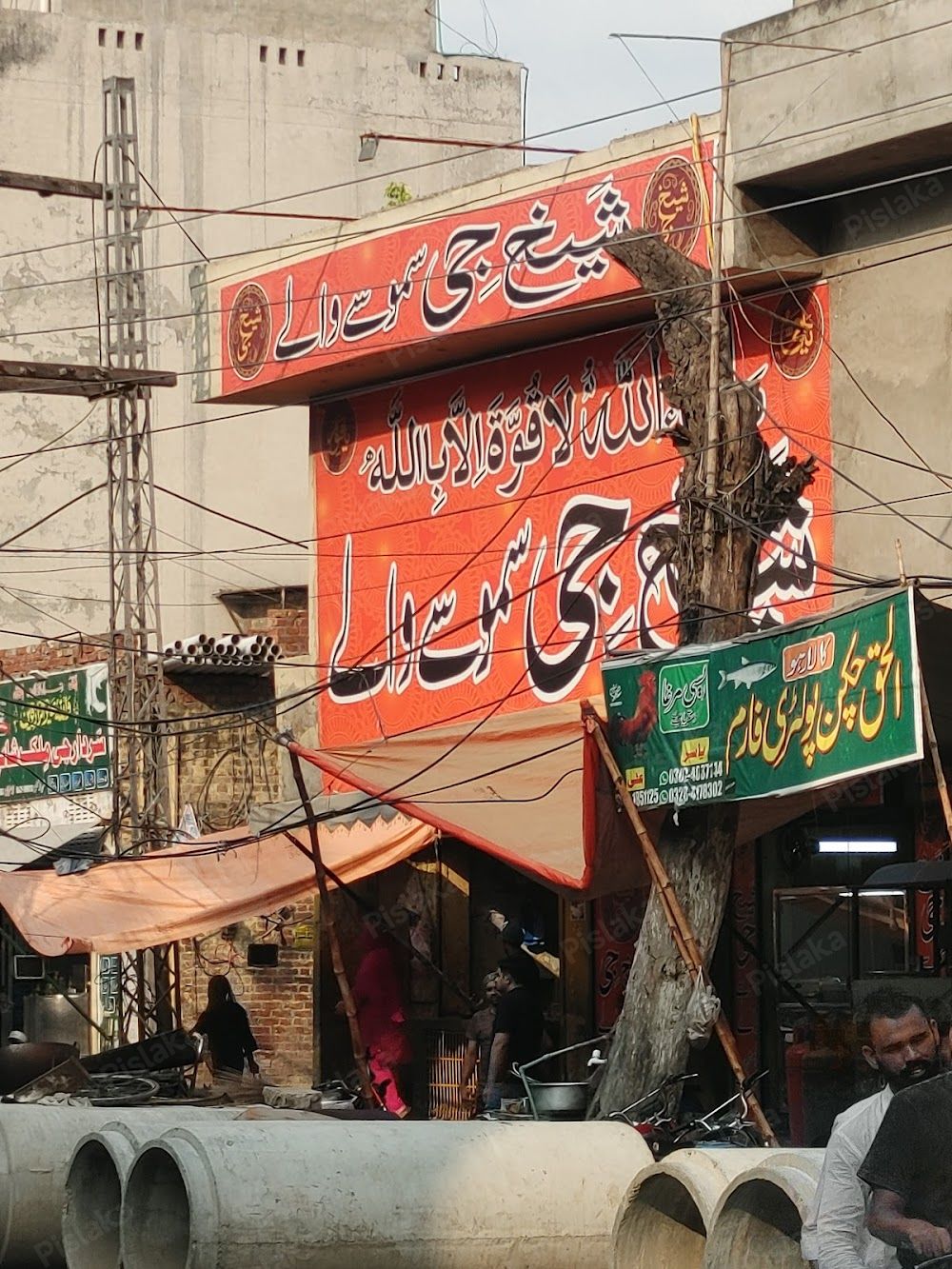
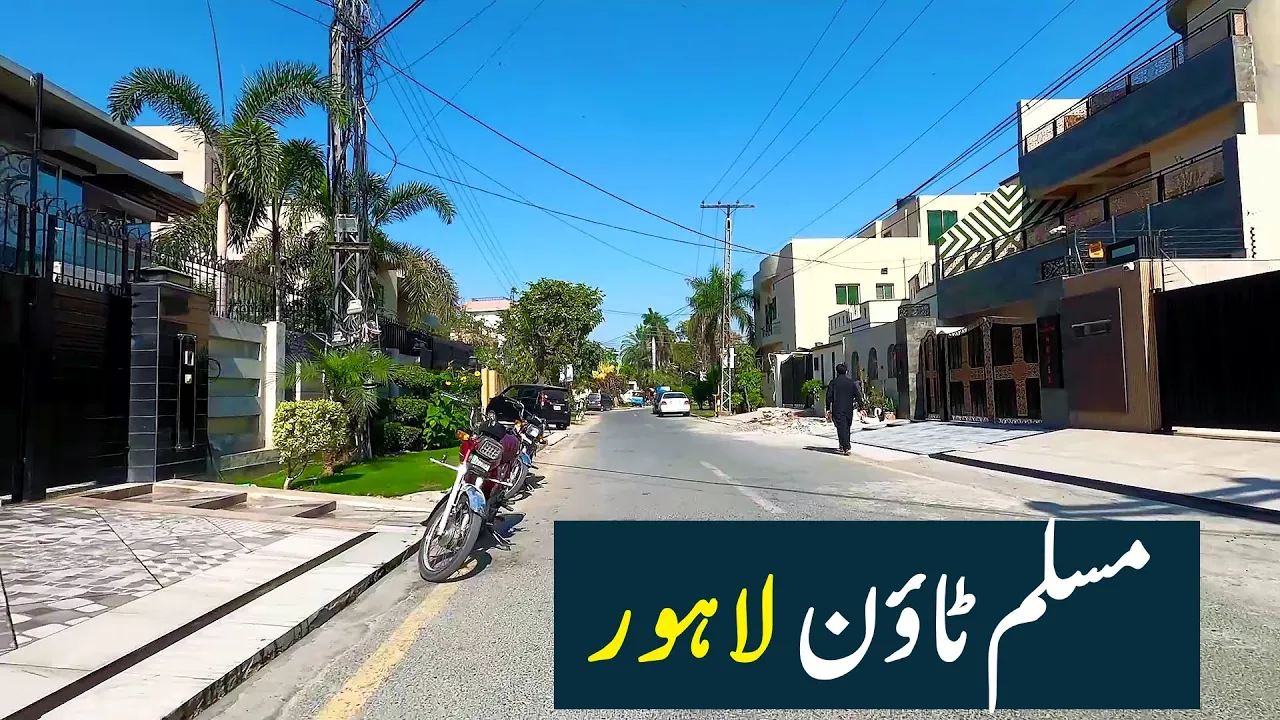
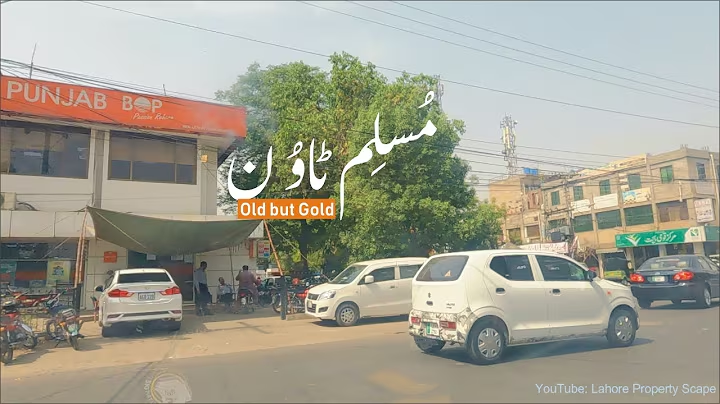
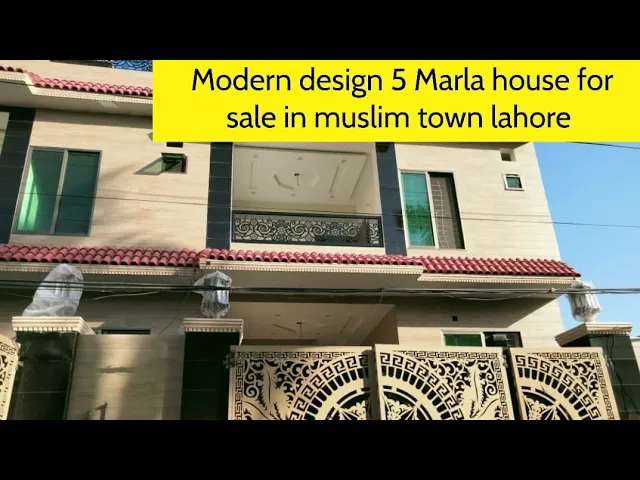
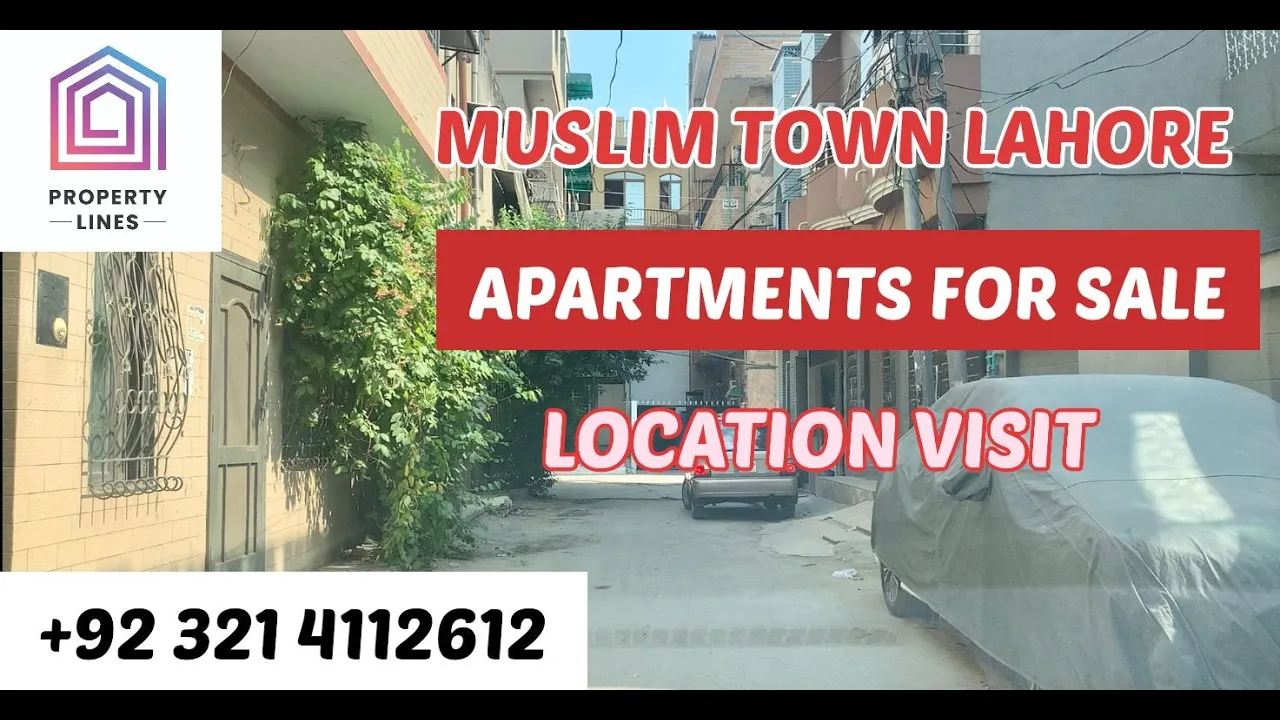
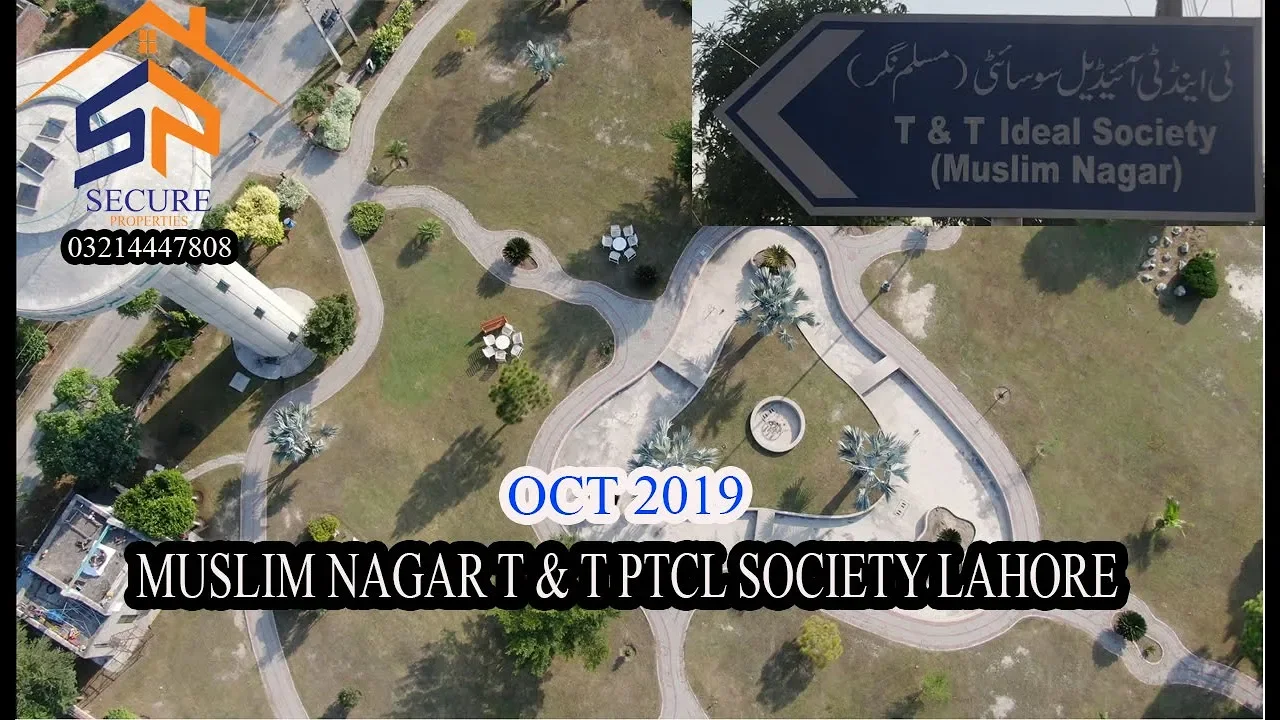
Muslim Colony, Lahore is a long-established residential neighborhood situated off Ferozepur Road between Wahdat Road and Canal Bank Road. It blends older, low-rise homes with newer, high-quality villas and apartments, offering a mix of traditional charm and modern development. The area enjoys excellent connectivity via the nearby Metro Bus service and direct links to central areas like Garden Town, Gulberg, and DHA, with convenient access to schools, hospitals, markets, and shopping centers.
- Developer: Muslim Colony Housing Society, a community-run organization that ensures affordable and well-maintained properties.
- Ideal For: Ideal for middle-income families, first-time home-buyers, and investors seeking affordable yet well-located plots or ready-made homes in Lahore.
Map-calculated
In total
In total
Latest Updates
Severe Flooding in Muslim Colony, Lahore Due to Heavy Rains
Recent heavy rainfall has caused widespread waterlogging and flooding in Muslim Colony, Lahore, with rainwater seeping into homes and displacing residents. Affected families are struggling to cope with property damage, lack of sanitation, and ongoing inundation. Local authorities have been urged to deploy emergency response teams and drainage solutions.
Lahore Bar Association Demands Legal Action Against Ahmadiyya Participation in Eid Rituals
The Lahore Bar Association has formally demanded legal action against members of the Ahmadiyya Muslim community if they participate in public Eid rituals, citing constitutional and legal provisions that designate Ahmadis as non-Muslims under Pakistani law. The move reflects escalating institutional pressure on religious minorities in Lahore.
Religious Violence Against Ahmadis in Punjab Linked to Lahore-Area Tensions
A violent attack occurred in Piru Chak, Sialkot District (130 km from Lahore), where extremists obstructed the burial of Ahmadi woman Qudsia Tabassum and subsequently attacked Ahmadi homes and shops. The incident underscores broader sectarian tensions affecting Lahore’s minority communities, with police registering cases against Ahmadis while failing to act on their complaints.
Ahmadiyya Community Recalls 2010 Lahore Mosque Attacks Amid Ongoing Persecution
On the anniversary of the May 28, 2010 twin mosque attacks in Lahore, which killed 94 Ahmadi worshippers, community members abroad—including U.S.-based leaders—highlight continued state-sanctioned discrimination, including bans on using Islamic greetings, calling places of worship 'mosques', or displaying Quranic verses.