Fruit and Vegetable Market Kacha Nau
Details
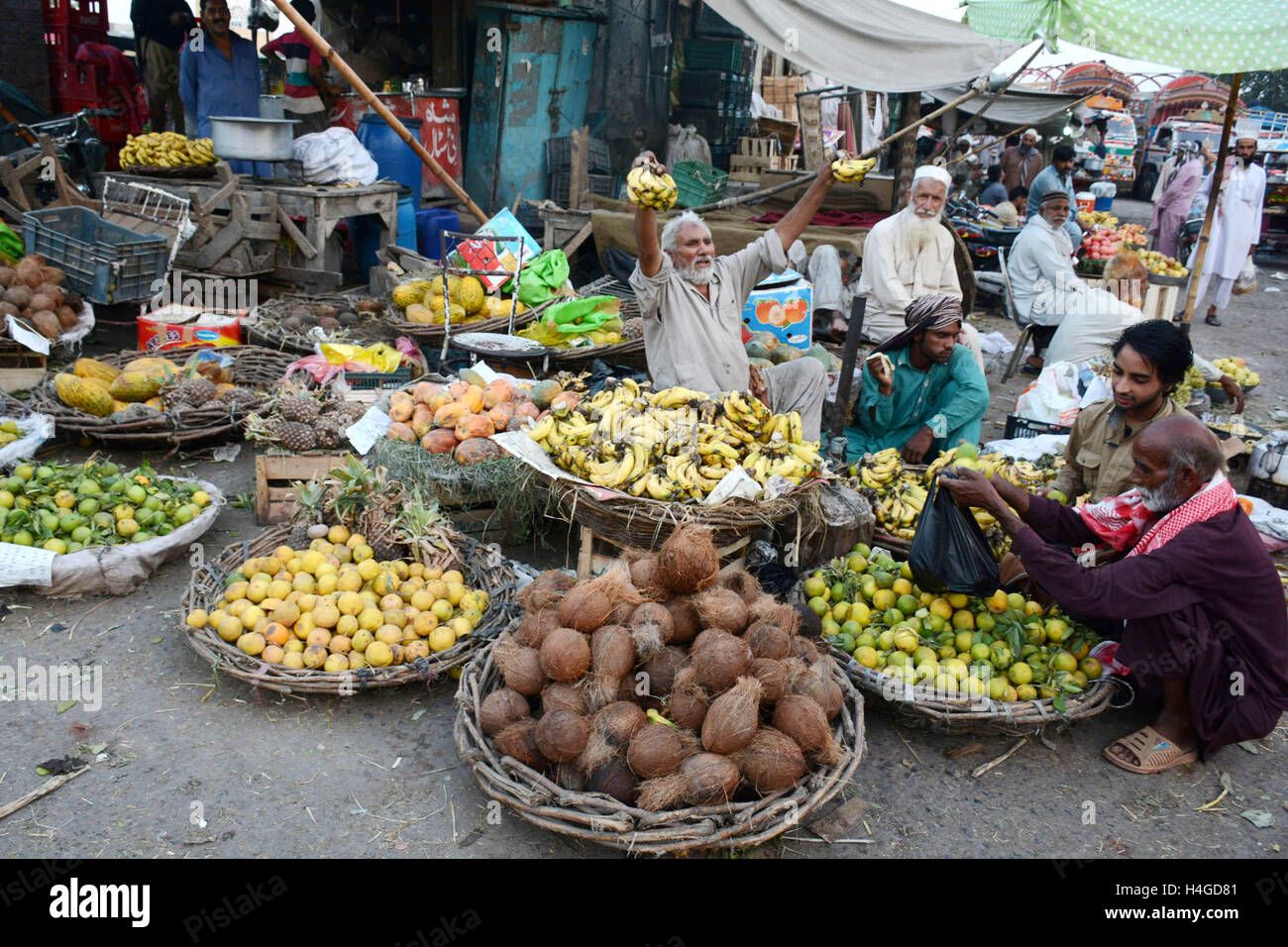
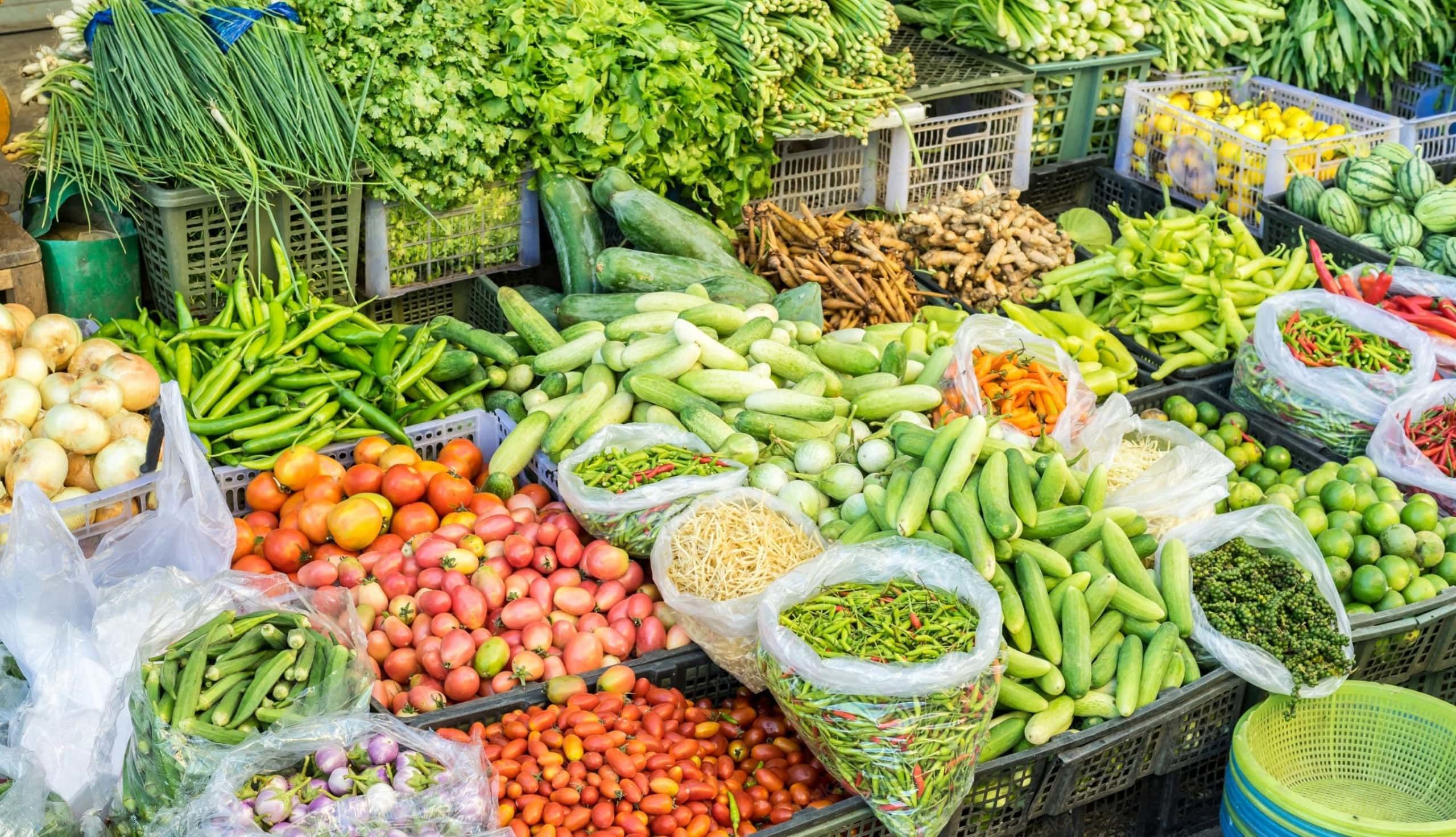
Fruit and Vegetable Market Kacha Nau (commonly known as Kahna Kacha Sabzi Mandi) is a major wholesale hub for fresh produce in Lahore and surrounding regions. It is currently undergoing government-led modernization to become a digital and innovative market, with features like a digital monitoring system and integration into the Safe City dashboard. This transformation aims to enhance efficiency, reduce waste, and position it as a key export zone for agricultural trade in Asia.
- Developer: Punjab Government (overseen by Ravi Urban Development Authority - RUDA and Punjab Agriculture Marketing Regulatory Authority - PAMRA)
- Ideal For: Ideal for bulk buyers, wholesalers, retailers, and export-oriented traders seeking reliable, large-scale supply and real-time market intelligence.
Map-calculated
In total
In total
Latest Updates
Market Committee Launches Tender for Surveillance System at Kacha Nau Market
In mid-January 2026, the Lahore Market Committee issued a tender to procure and install a comprehensive surveillance system at the Kacha Nau fruit and vegetable market. The system includes 4-megapixel CMOS fixed and PTZ cameras with up to 30× optical zoom, along with networking equipment, aiming to modernize security and infrastructure.
Auction of Rate-List Contract to Formalize Pricing
On January 16, 2026, the Market Committee announced an auction for the rate-list contract covering fruits, vegetables, poultry, eggs, and groceries at the Kacha Nau market. This move is part of efforts to standardize prices and enhance consumer protection.
Sahulat Bazaars Provide Subsidized Produce Across Punjab
The Punjab government's 'Sahulat Bazaars' initiative continues to offer significant price relief by subsidizing essential produce. During Ramadan 2026, these bazaars were transformed into Ramazan Bazaars, attracting millions of visitors and providing up to 40% lower prices compared to open markets.