Quaid e Azam Industrial Estate



Details
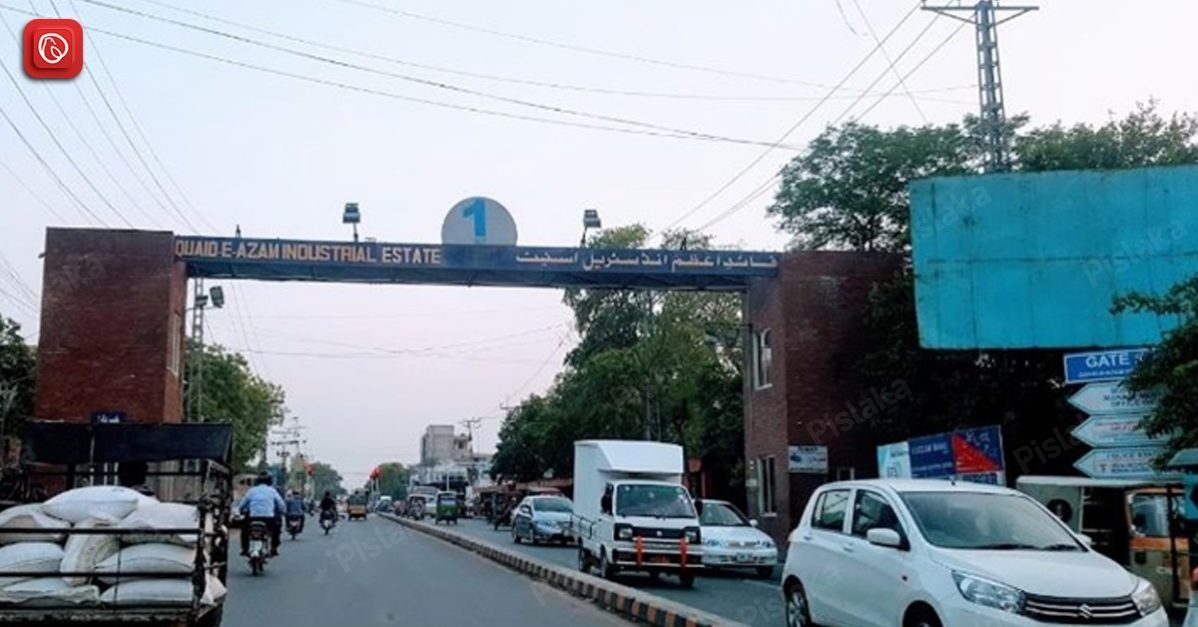
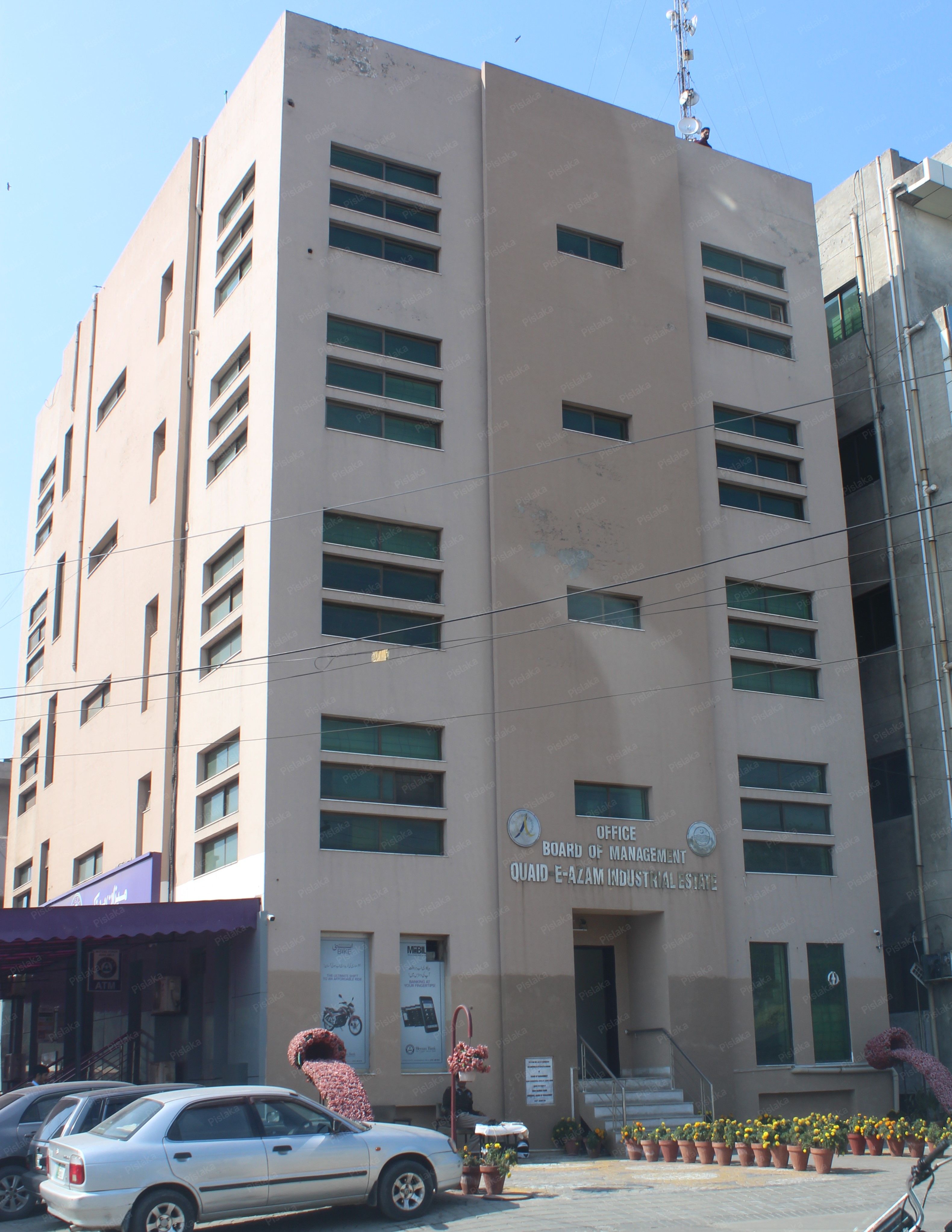
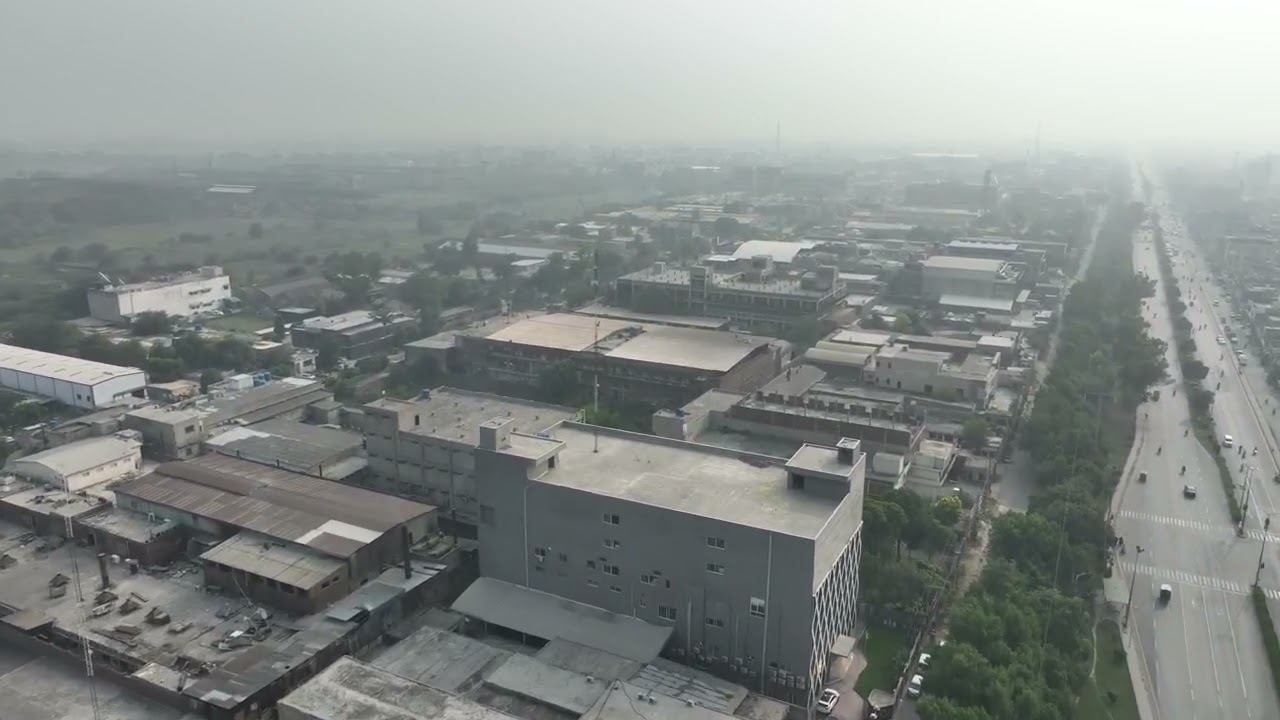
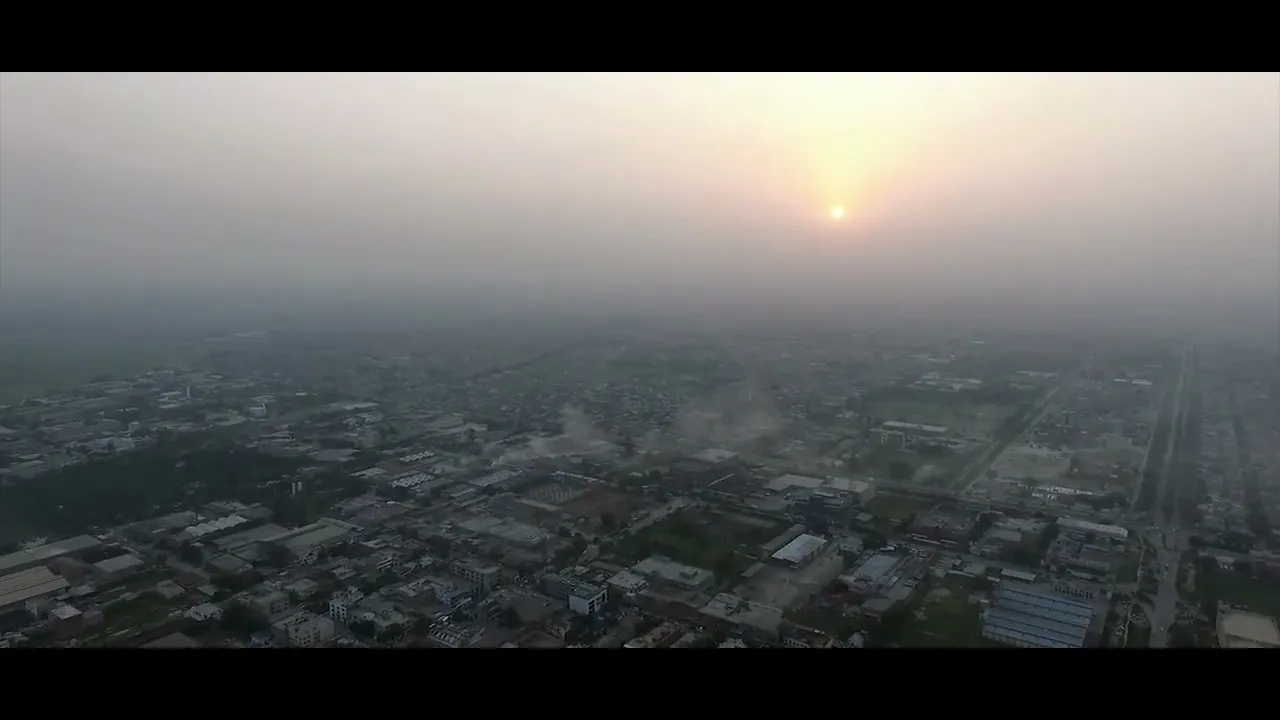
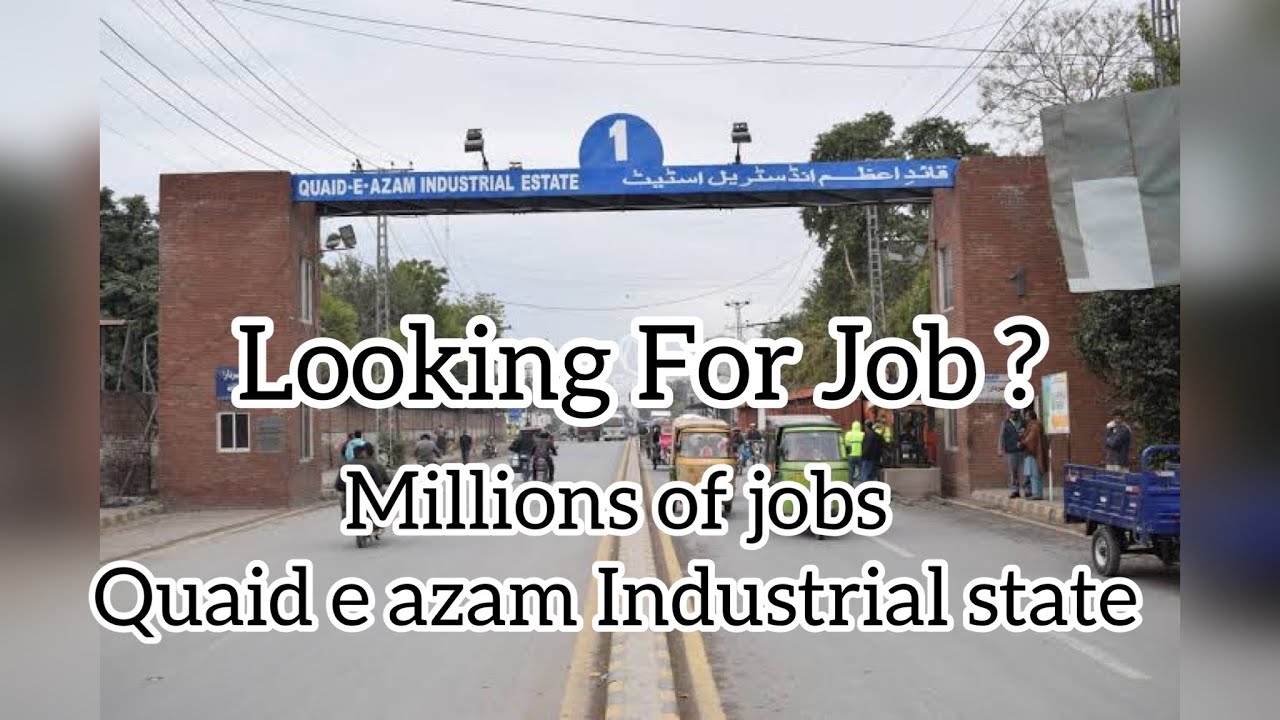
Quaid-e-Azam Industrial Estate was established in 1960 under a Pakistani-Canadian joint assistance program. It is now a government-owned industrial hub managed by the Punjab Industrial Estates Development & Management Company (PIEDMC), spanning approximately 1,500 acres in the Sundar area. The estate offers excellent connectivity via major roads and highways, along with fully serviced infrastructure including utilities, security, and green belts, making it a prime location for industrial development.
- Developer: Punjab Industrial Estates Development & Management Company (PIEDMC)
- Ideal For: Ideal for manufacturers and SMEs in sectors like textiles, chemicals, and food processing seeking ready-to-develop industrial plots with full utilities and strategic market access.
Map-calculated
In total
In total
Latest Updates
Tender Notices for Security, IT, and Insurance Procurement
The Board of Management of Quaid-e-Azam Industrial Estate (QIE) issued two tender notices in April 2026. One, published on 21 April 2026, is for the procurement of hiring insurance companies, insurance firms, and health/medical insurance providers. The second, published on 22 April 2026, is for the procurement of one firewall to secure the estate's networking system. Both tenders indicate ongoing efforts to modernize infrastructure and enhance security and employee welfare.
PTA Issues Warning Over Blocked Telecom Network Maintenance
The Pakistan Telecommunication Authority (PTA) issued a stern warning on 1 March 2026 to the Board of Management of QIE Lahore for allegedly obstructing maintenance work on critical fiber networks. Telecom operators claim the estate is demanding a self-imposed Right of Way (RoW) fee, contrary to abolished government directives, and is denying access to licensed operators for repairs. PTA stated this interference could lead to major service disruptions and potential legal action, calling for a joint meeting to resolve the issue.
Expansion of Banking Services with New Dubai Islamic Bank Branch
Dubai Islamic Bank Pakistan opened a new branch at Quaid-e-Azam Industrial Estate, Lahore, on 7 January 2026. This marks the 38th of 75 new branches opening nationwide as part of the bank's monumental expansion drive, aimed at providing enhanced financial services directly within the industrial hub.
Government Mandates Timely Construction and Operation in Industrial Estates
Punjab's Minister for Industries and Commerce announced in late 2025/early 2026 that a new government directive makes it mandatory for new constructions in industrial estates to begin within six months of plot allotment and become operational within two years. This policy aims to curb speculative property trading and ensure plots are used for genuine industrial development. The minister also noted rapid progress at the Quaid-e-Azam Business Park in Sheikhupura.
- Quaid-e-Azam Industrial Estate Lahore Jobs 2026 | Multiple Govt Vacancies | Apply Online | JobsPk.Click
- Quaid e Azam Industrial Estate Lahore announces Admin & Staff Jobs 2026
- Quaid-e-Azam Industrial Estate Jobs 2026 – Latest Career Opportunities, Apply Online, Eligibility & Benefits - Xpert Job 24
- Quaid E Azam Industrial Estate Jobs 2026 in Pakistan
- Quaid-e-Azam Industrial Estate Jobs 2026 – Lahore Latest Career Opportunities, Eligibility & Apply Guide - ckejob.com
Active Recruitment for Administrative and Support Staff
The Quaid-e-Azam Industrial Estate Lahore's Board of Management announced a major recruitment drive for Admin & Staff Jobs in early 2026, with an application deadline of 28 February 2026. The vacancies include positions such as Estate Engineer, Field Supervisor, CCTV Camera Operator, Plumber, Civil Workman, Security Guard, and Nursing Assistant. Multiple job portals reported on these opportunities, highlighting the estate's ongoing operational needs and expansion.
Operational Milestone and Infrastructure for Quaid-e-Azam Business Park
The Quaid-e-Azam Business Park (QABP) in Sheikhupura, a sister project under the same management umbrella, reached a significant milestone in early 2026. It was reported that 11 industrial units have commenced production, with 43 more under construction. A dedicated 220kV Grid Station was energized in January 2026, ensuring reliable power. The park, a designated Special Economic Zone (SEZ), has attracted investment commitments of around Rs 174 billion and is expected to generate 250,000 jobs.
Proposal for Affordable Solar Power to Industrial Estates
In March 2026, the Punjab government reviewed a proposal to install a 150-megawatt solar power plant at the Quaid-e-Azam Solar Park. The plan is part of a strategy to provide low-cost, green electricity to industrial zones, including the Quaid-e-Azam Industrial Estate Kot Lakhpat, to alleviate high power tariffs. The estimated generation cost was projected at a competitive Rs 10.97 per unit.

Fully equipped fire brigade station, ambulance service, and integrated emergency helpline (1044) for quick response.

24-hour CCTV surveillance and regular patrolling by vehicles and motorcycles, monitored by security office, with construction of a police station to enhance safety.
Solid waste lifting and disposal services, horticultural drives including tree plantation and park development for a greener environment.

Water pollution from industrial effluents with parameters such as pH, TSS, BOD, COD, and ammonia-nitrogen exceeding NEQS limits; ambient air pollution with particulate matter (PM10) levels above WHO guidelines.