Allama Iqbal Town

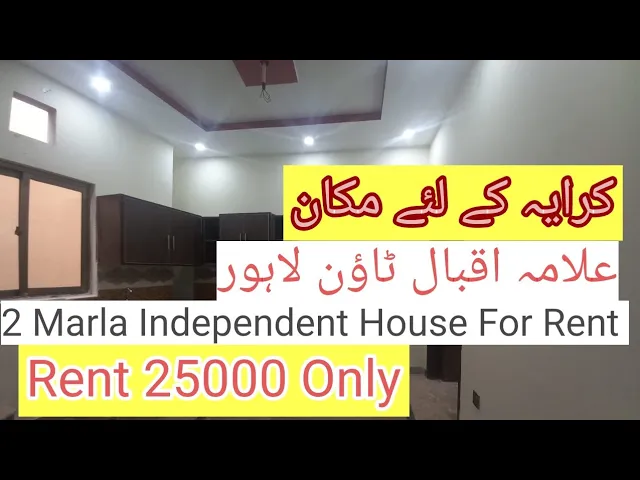
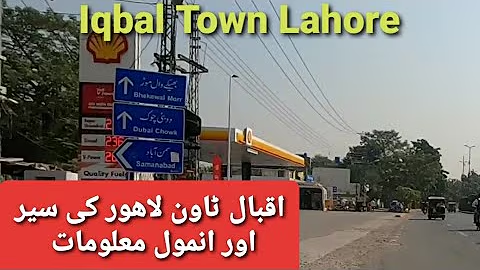
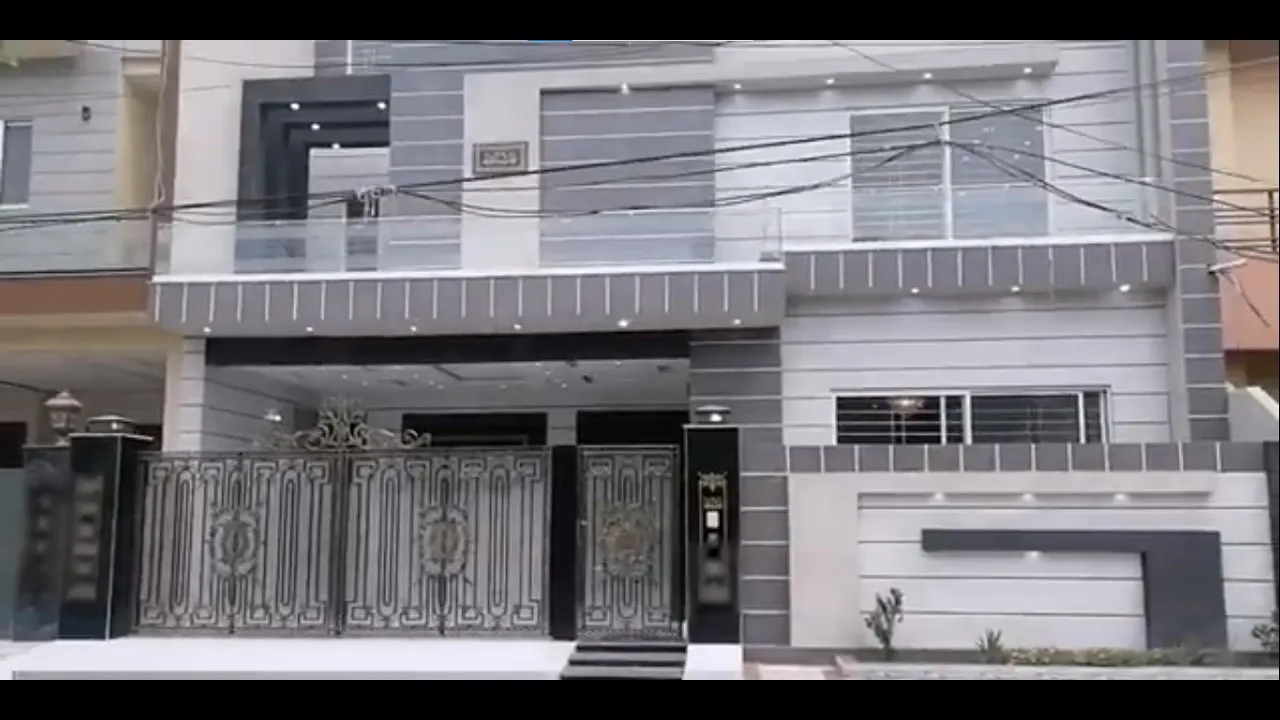
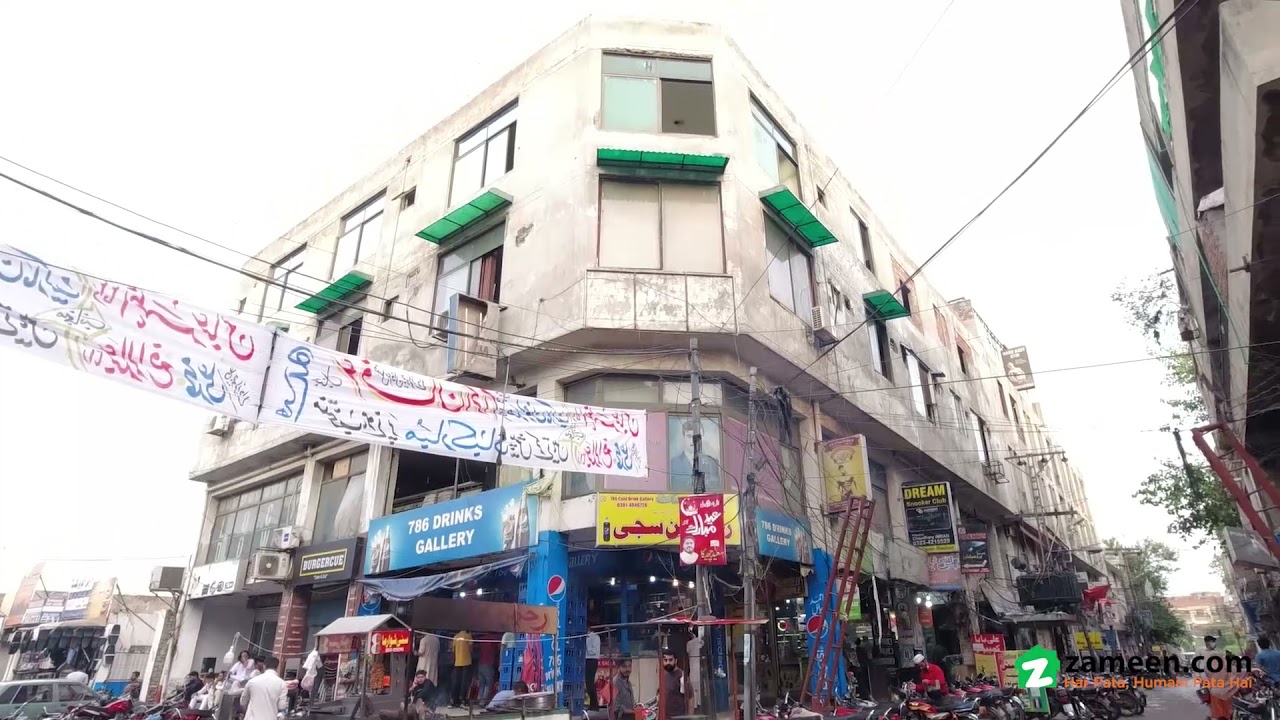
![[Vlog] Kareem Block, Allama Iqbal Town | Lahore](https://imghwzq.soufunimg.com/youtube/FrtIqSYrqU4.jpg)
Details
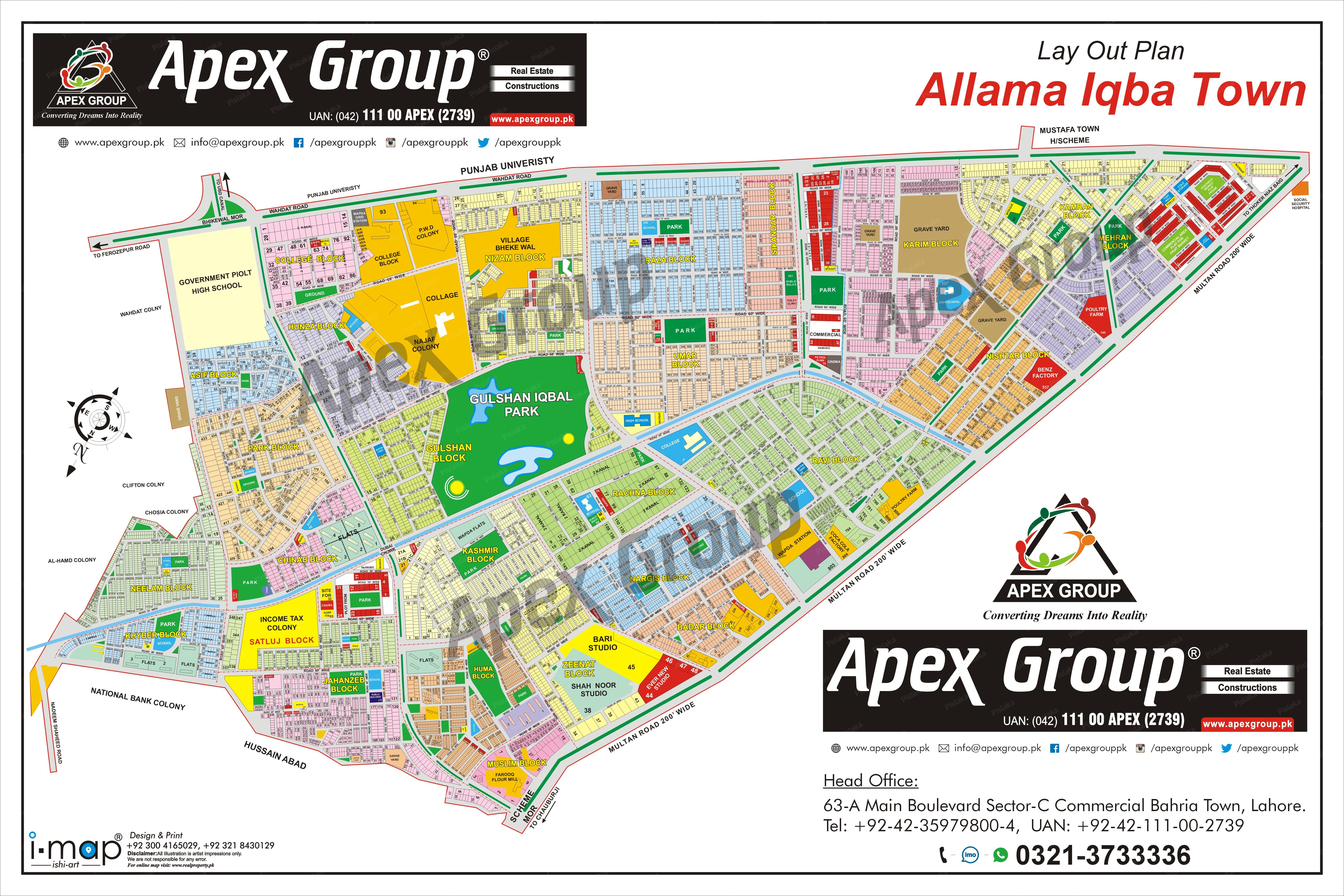
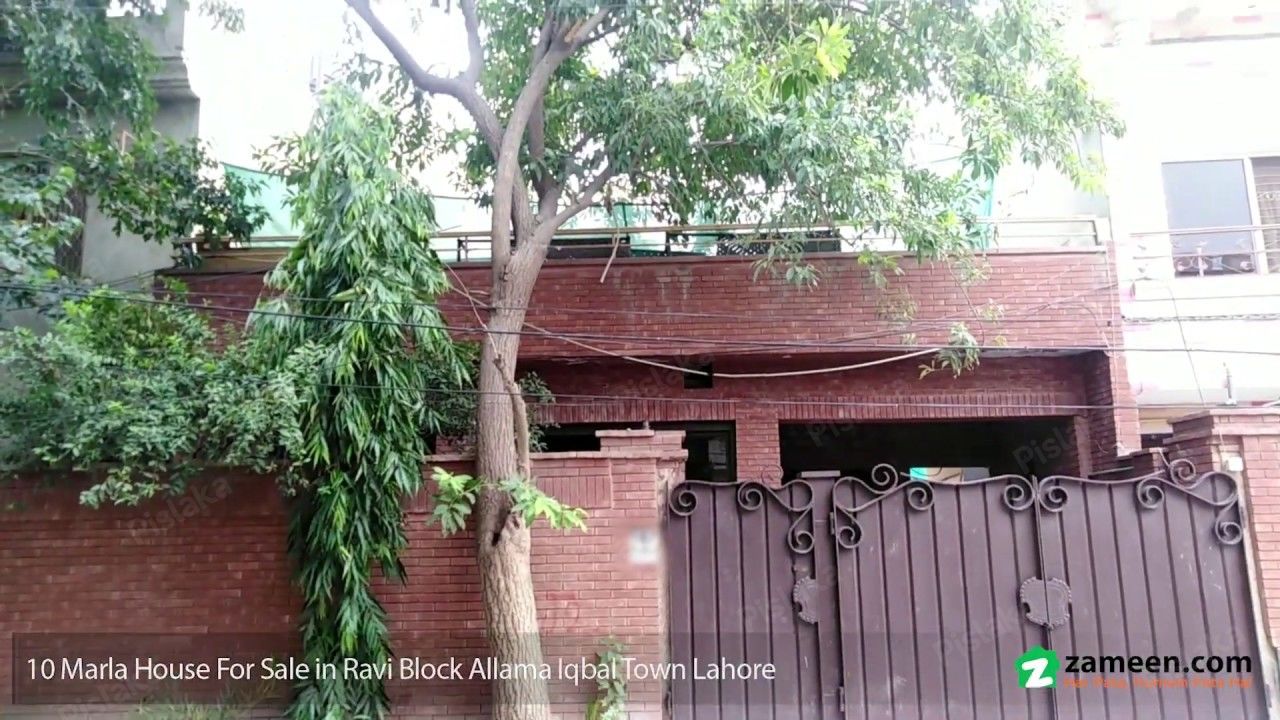
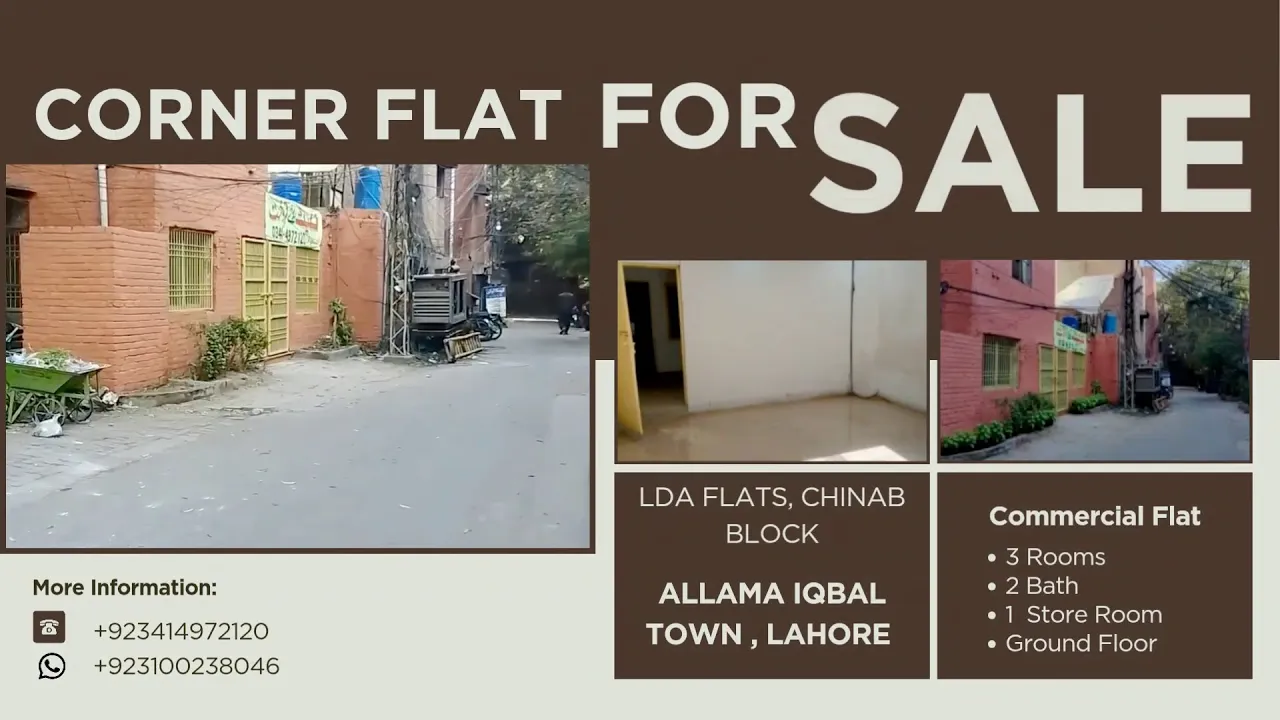
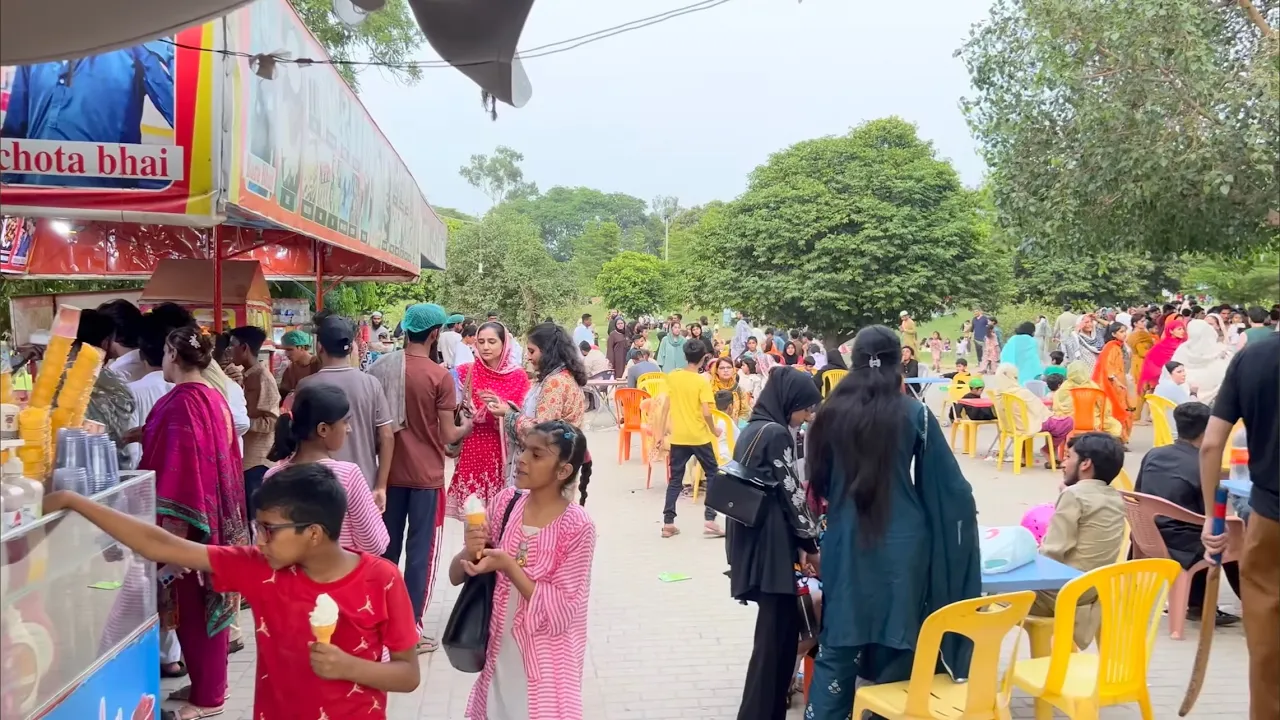
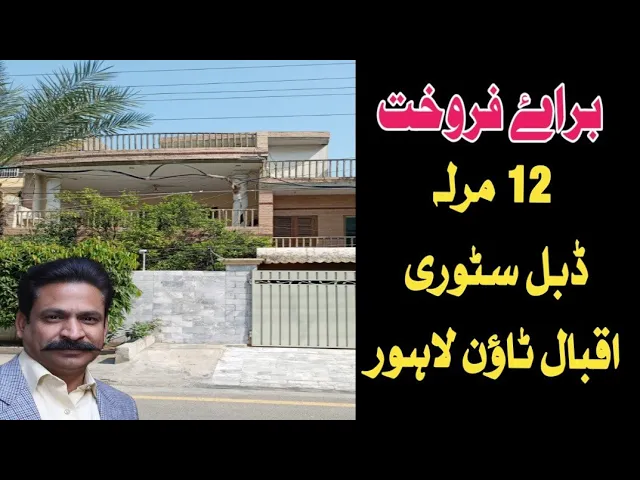
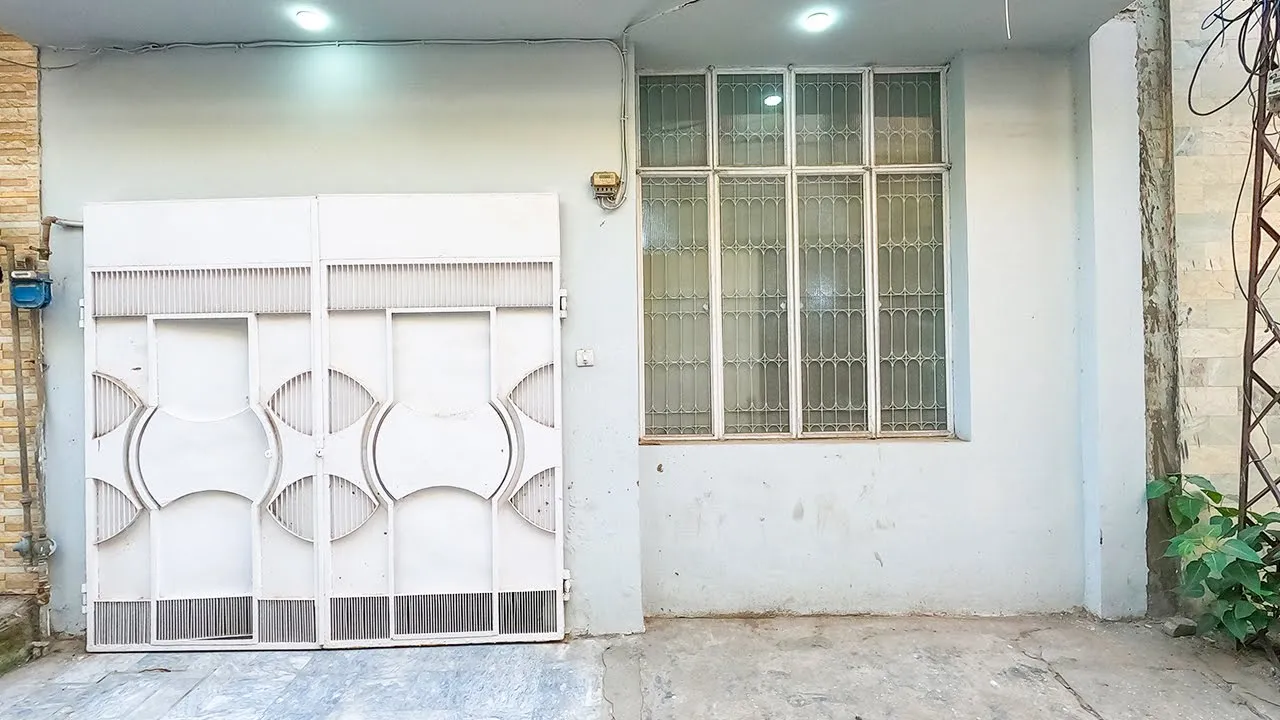
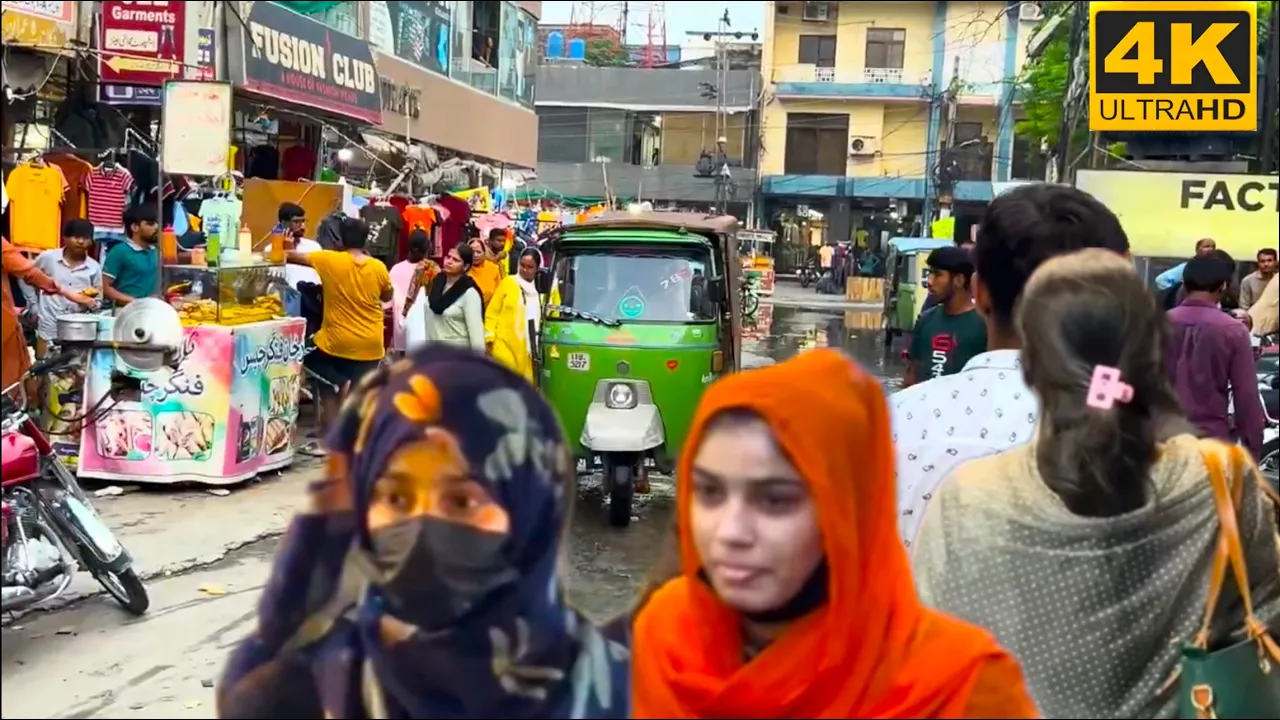
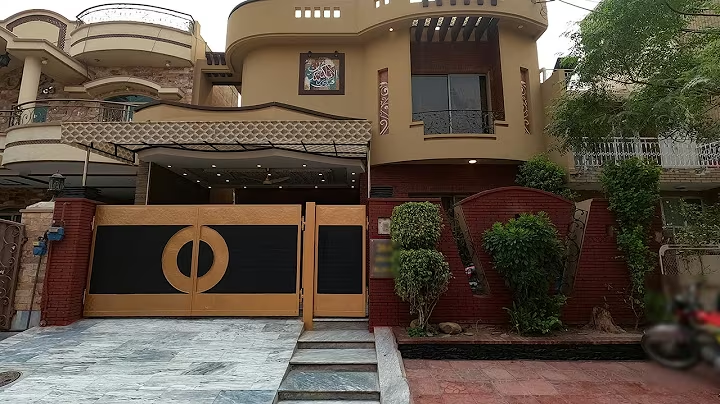
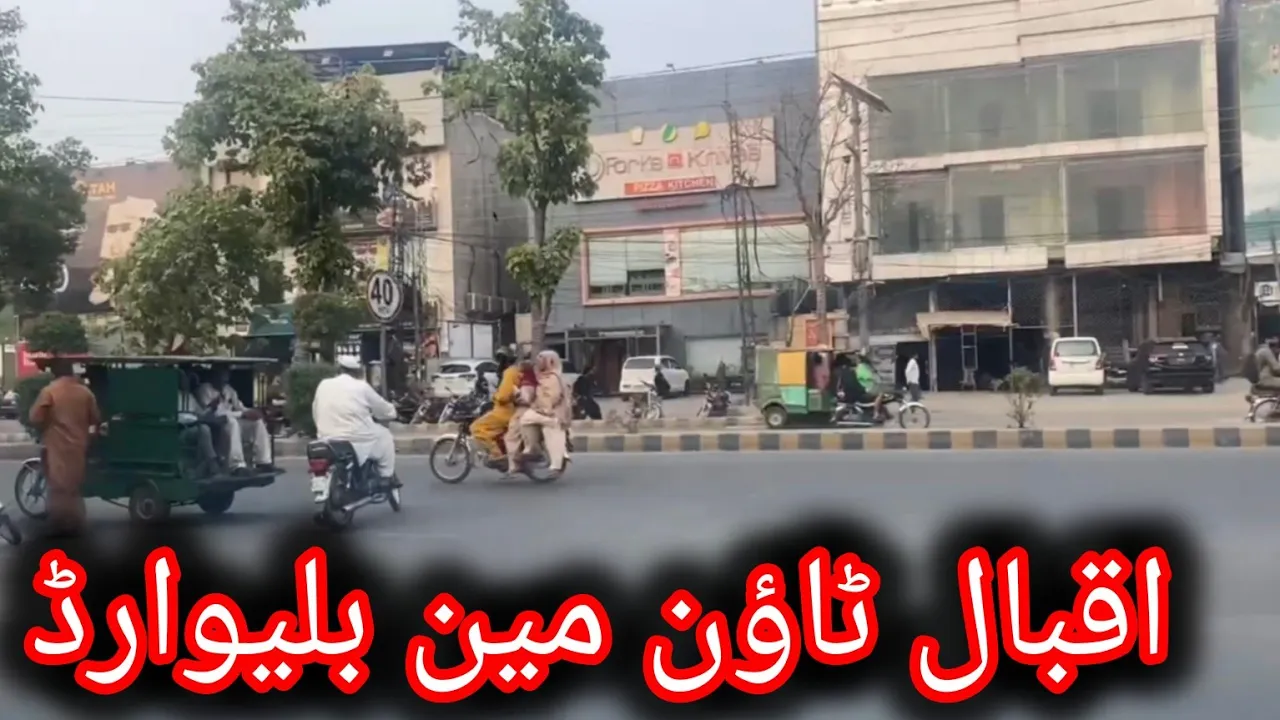
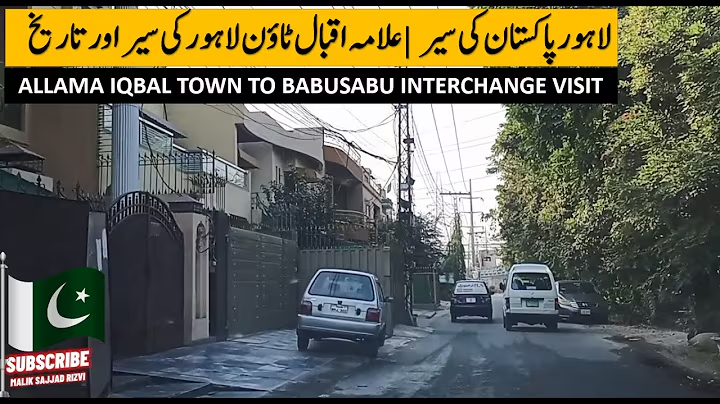
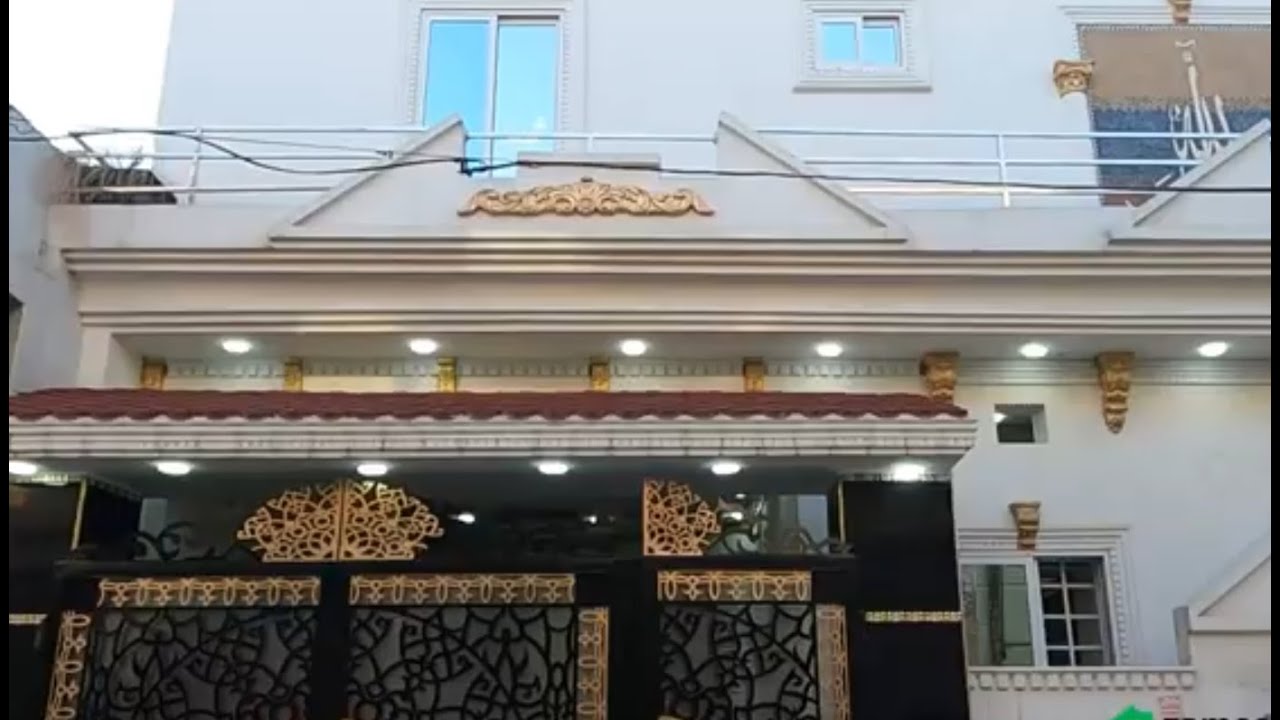
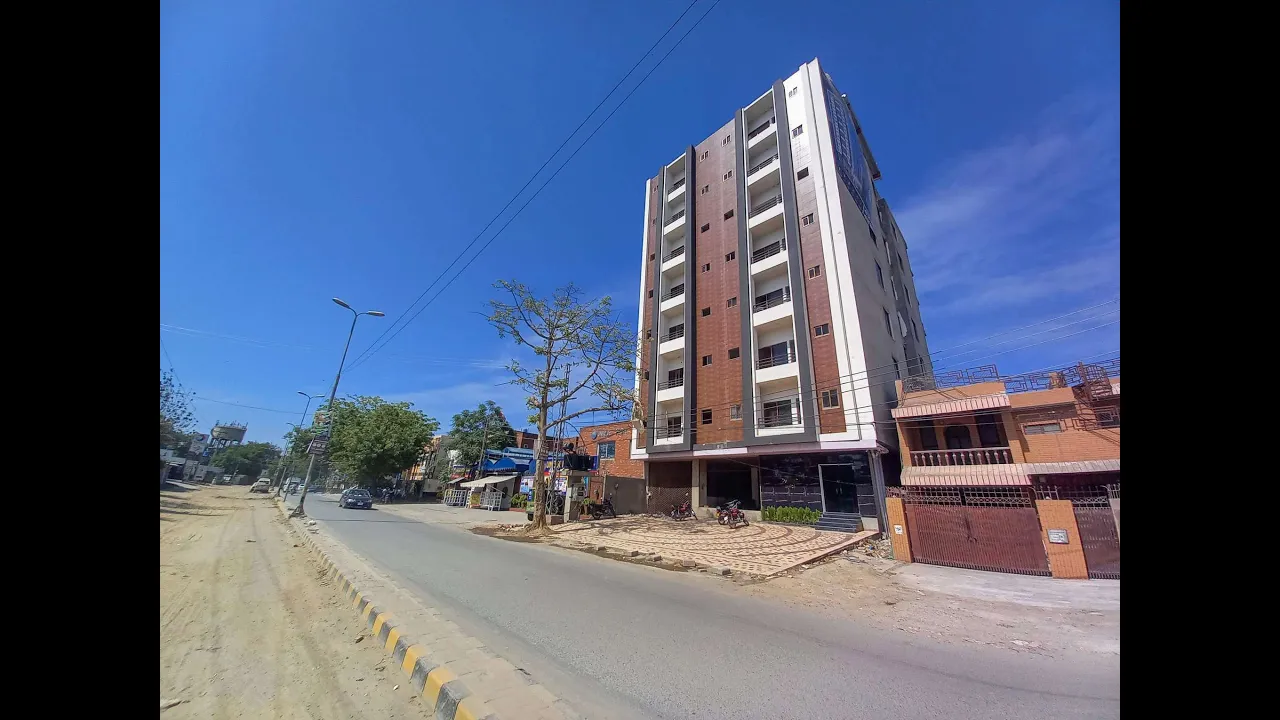
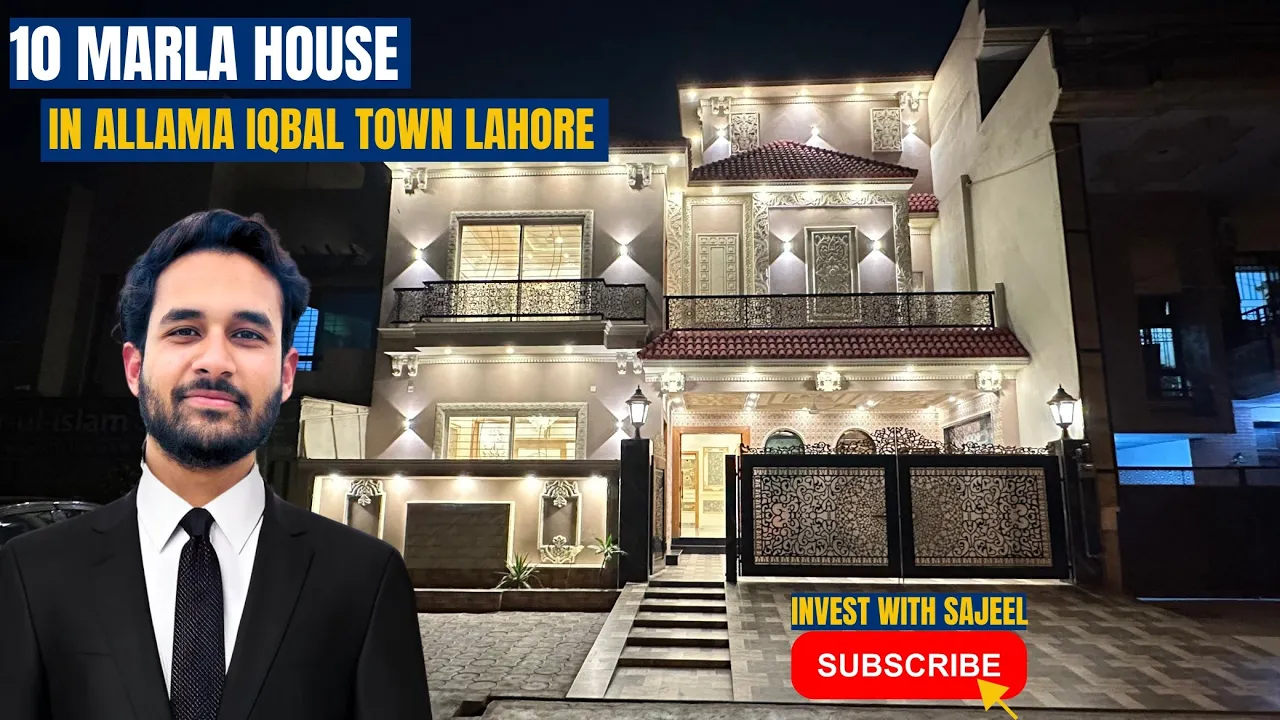
Allama Iqbal Town is a large mixed-use residential and commercial locality developed in the late 1970s to early 1980s, covering approximately 1,600 acres in southwestern Lahore. It is organized into 26 numbered blocks with well-paved streets, numerous local markets, schools, parks, and hospitals, offering comprehensive amenities and easy access to major roads and public transport. The area is known for its affordable yet well-connected housing, making it a popular choice for diverse residents.
- Developer: Hassan Zaman Pvt Limited
- Ideal For: Ideal for first-time homebuyers, investors, and families seeking affordable housing with full essential services and good connectivity.
Map-calculated
In total
In total
Latest Updates
Newly Constructed Road in Allama Iqbal Town Collapses Amid Heavy Rains, Exposing Structural Deficiencies
A newly completed road in Allama Iqbal Town collapsed shortly after construction during recent heavy rains, revealing deep cracks and raising serious concerns about infrastructure quality and oversight. Local residents and civic groups have issued urgent calls for an independent review of construction standards and accountability mechanisms.
WASA Vice Chairman Conducts On-Site Inspection of Water Supply Issues in Allama Iqbal Town
Chaudhry Shehbaz Ahmad, Vice Chairman of the Water and Sanitation Agency (WASA), visited Allama Iqbal Town to assess persistent water supply problems, including irregular supply, low pressure, and aging distribution networks. The visit signals renewed administrative attention to service delivery challenges in the area.
Sub-Administrator Holds Daily Open Kacheri Sessions to Address Resident Grievances
The Sub-Administrator of Allama Iqbal Town has institutionalized daily open-kacheri sessions at the office to directly receive and resolve citizen complaints related to sanitation, utilities, documentation, and municipal services — reflecting an ongoing effort to improve grassroots governance responsiveness.
Vandalism of Allama Iqbal Statue at Gulshan-e-Iqbal Park Sparks Public Outcry and Moral Debate
A viral video showed children slapping and disrespecting the statue of Allama Iqbal at Gulshan-e-Iqbal Park, prompting widespread condemnation on social media. Commentators attributed the incident to systemic failures in civic education and parenting, calling for institutional interventions in moral instruction and public heritage awareness.
House Price
PKR 21260/sq.ft
YoY +5.87%
Plot Price
PKR 18563/sq.ft
YoY N/A
Commercial Price
PKR 26026/sq.ft
YoY N/A

Well-planned residential society with modern amenities including local markets, mosques, schools, and basic facilities for convenient daily living.

Clean streets, ample green space, and numerous parks that help filter air pollutants and keep the environment fresh.
Considered a prestigious and high-end housing society; owning property here is seen as a status symbol.
Security guards at main gates provide a sense of safety and security for residents.
Easily accessible from major roads like Multan Road and Wahdat Road, providing convenient access to nearby commercial hubs and areas.
Good quality educational institutions with a relatively tolerant social atmosphere.

Noise from commercial activities spills into residential blocks, particularly near large markets, disturbing residents.
Pollution, particularly air pollution, and a high overall cost of living in the area.
Issues with schools like ISL, including allegations of unfair fee hikes and discriminatory treatment of students or parents.
High property prices and rents, making it less affordable for middle-income buyers; significant cost increases over time.
Severe traffic congestion on surrounding roads, especially during peak hours, causing delays and inconvenience.
Problems with open drainage systems and a lack of sufficient open spaces or parks in some areas.