Railway Quarter

Details
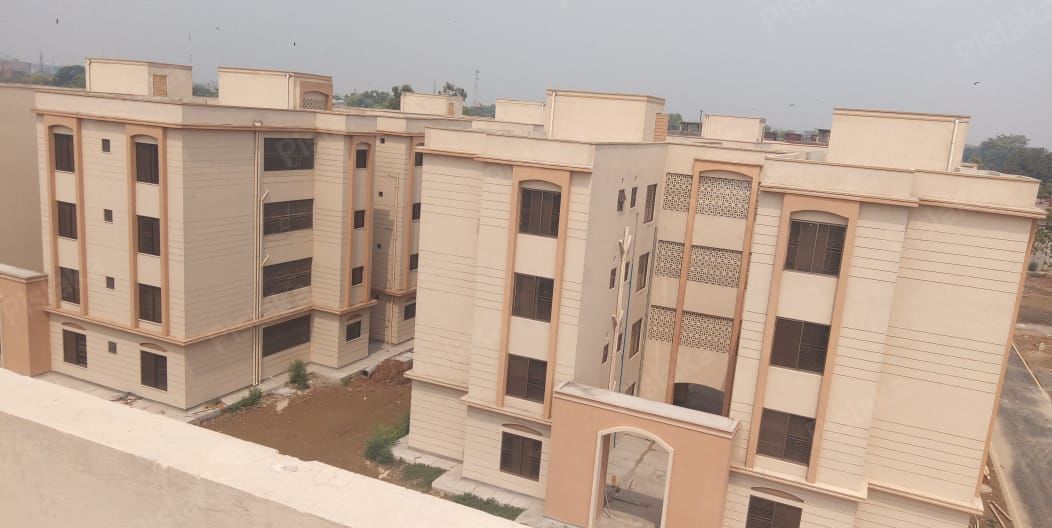
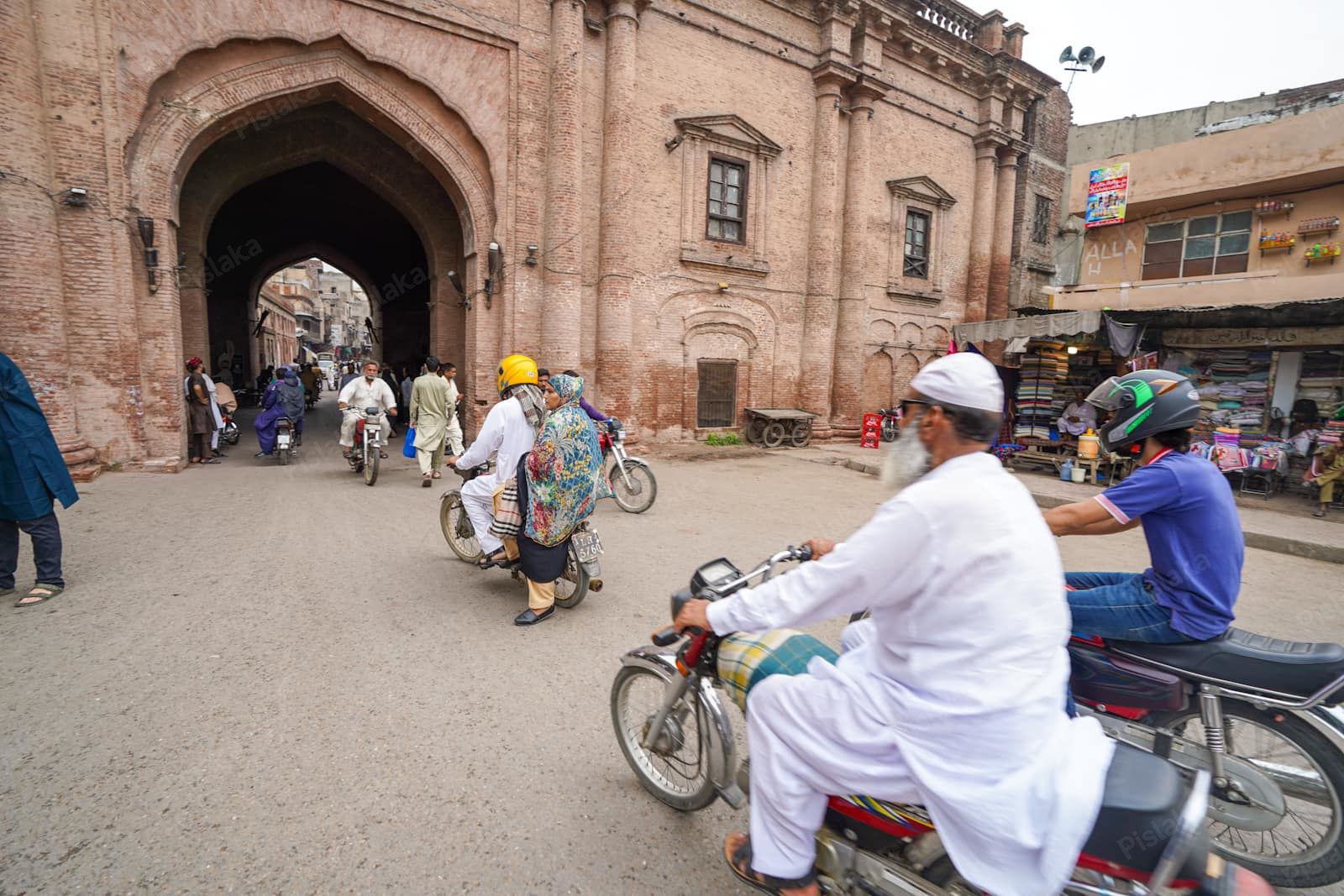
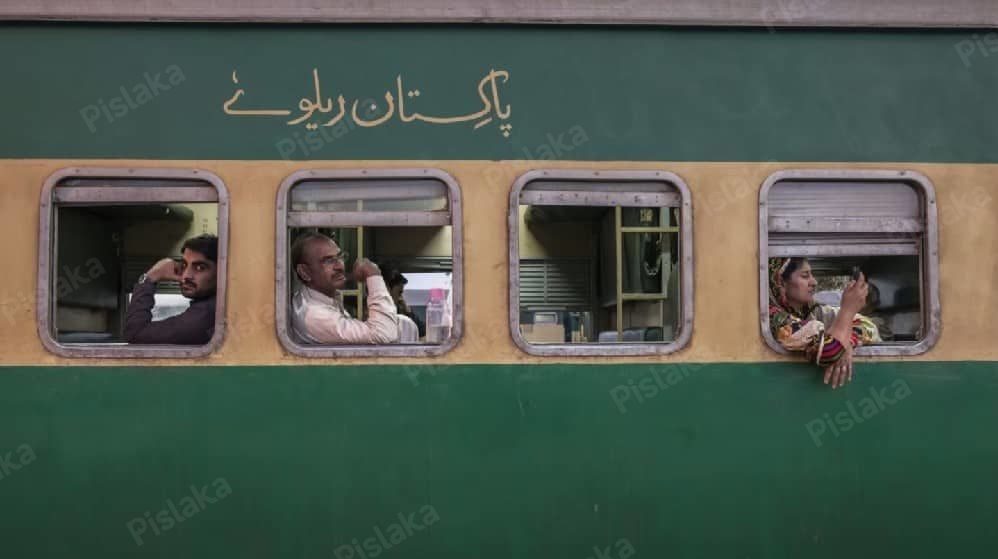
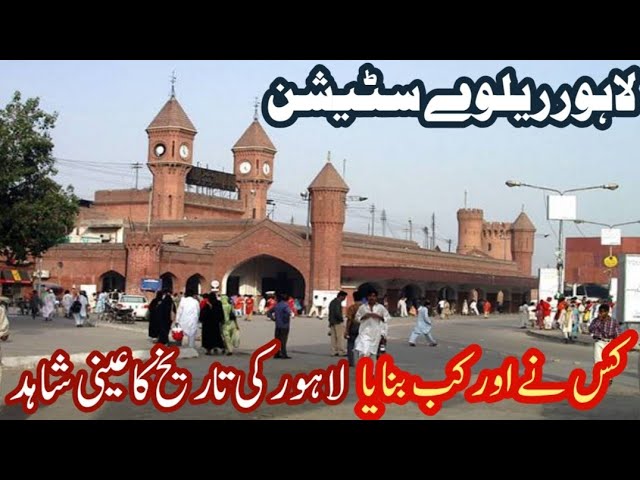
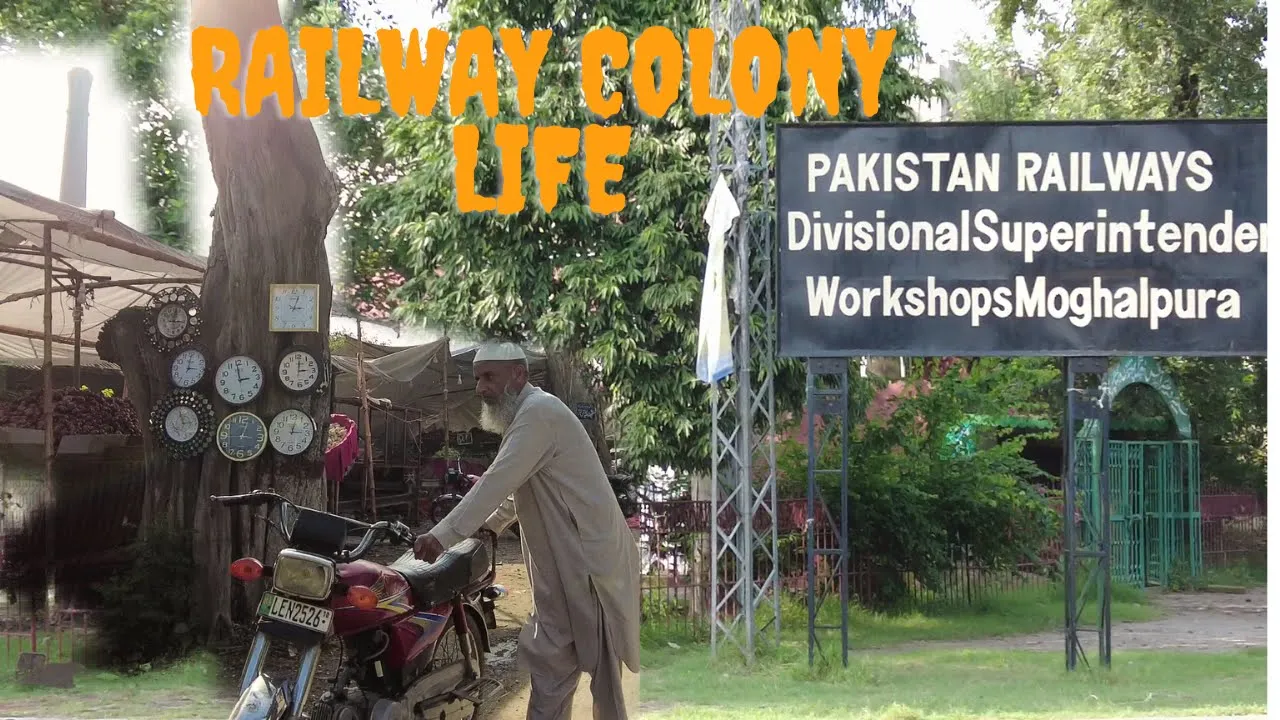
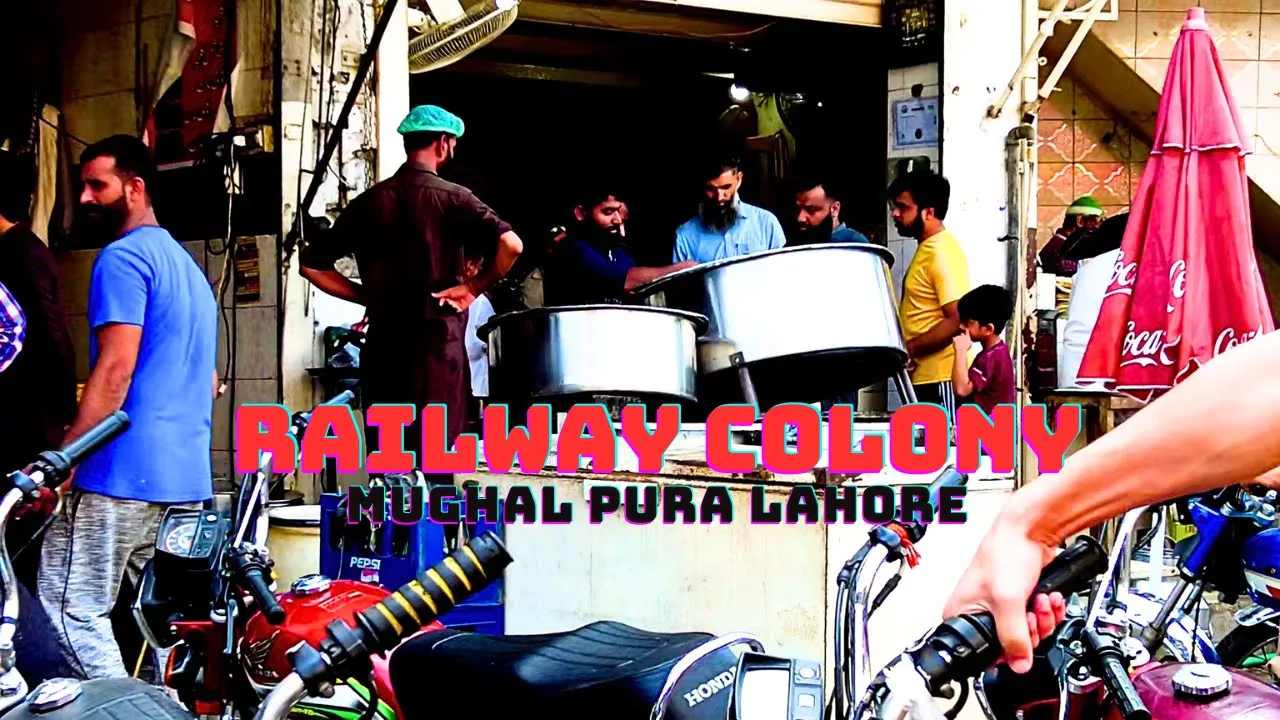
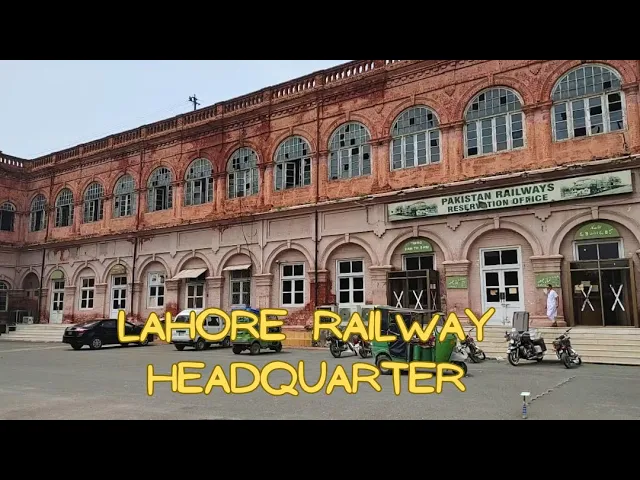
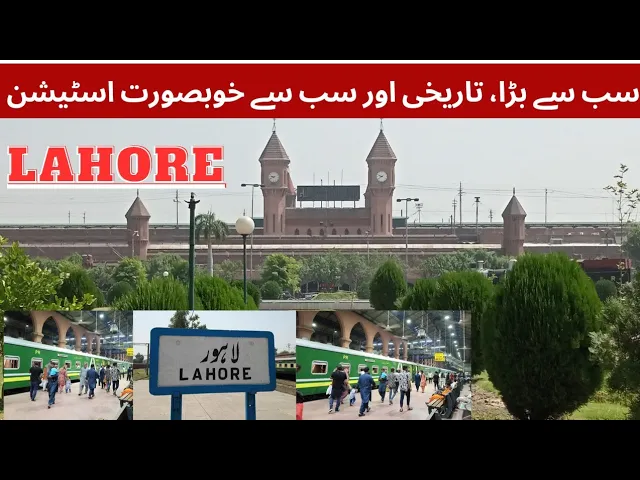
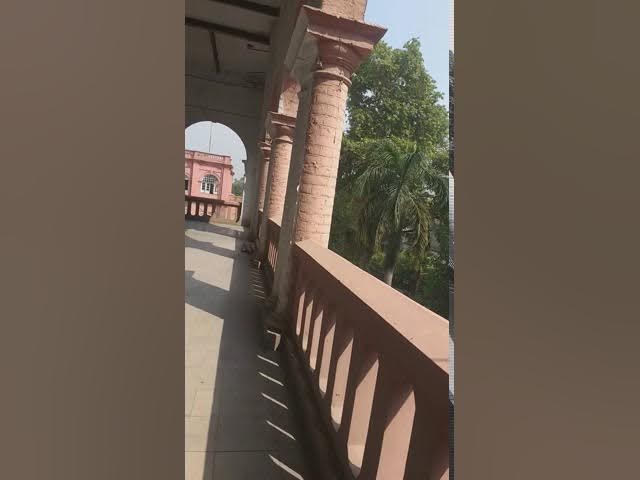
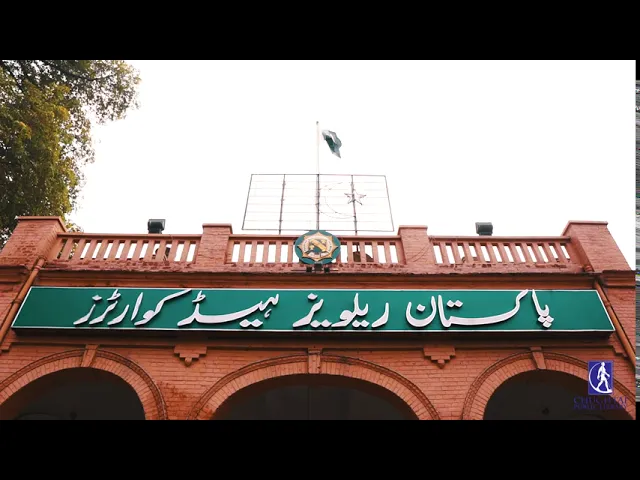
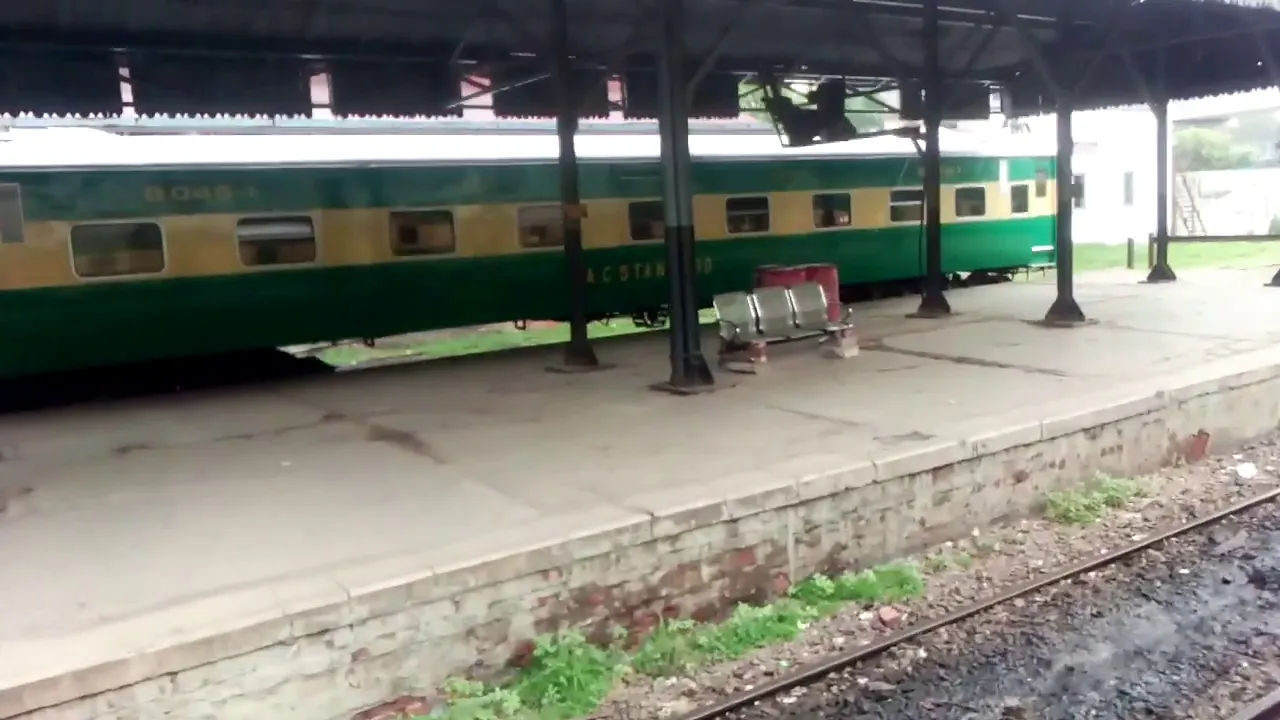
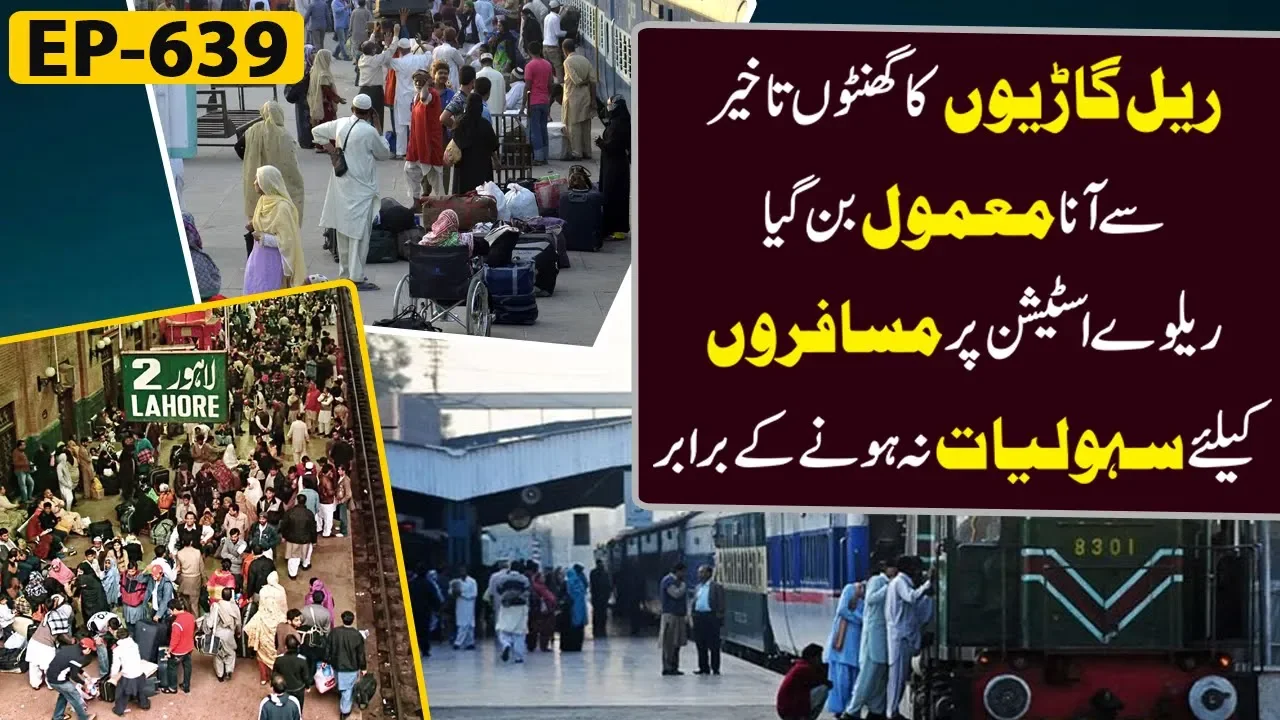
Railway Quarter Lahore is a historic residential community originally established by Pakistan Railways to provide housing for railway employees. It has grown into a well-established and secure neighborhood with essential amenities and a peaceful environment. The community is strategically located near Lahore Railway Station, offering excellent transportation connectivity. Its core appeal lies in its community-oriented lifestyle and reliable infrastructure.
- Developer: Pakistan Railways, a government organization focused on employee housing
- Ideal For: Ideal for railway employees and families seeking a safe, affordable, and well-connected residential area.
Map-calculated
In total
In total
Latest Updates
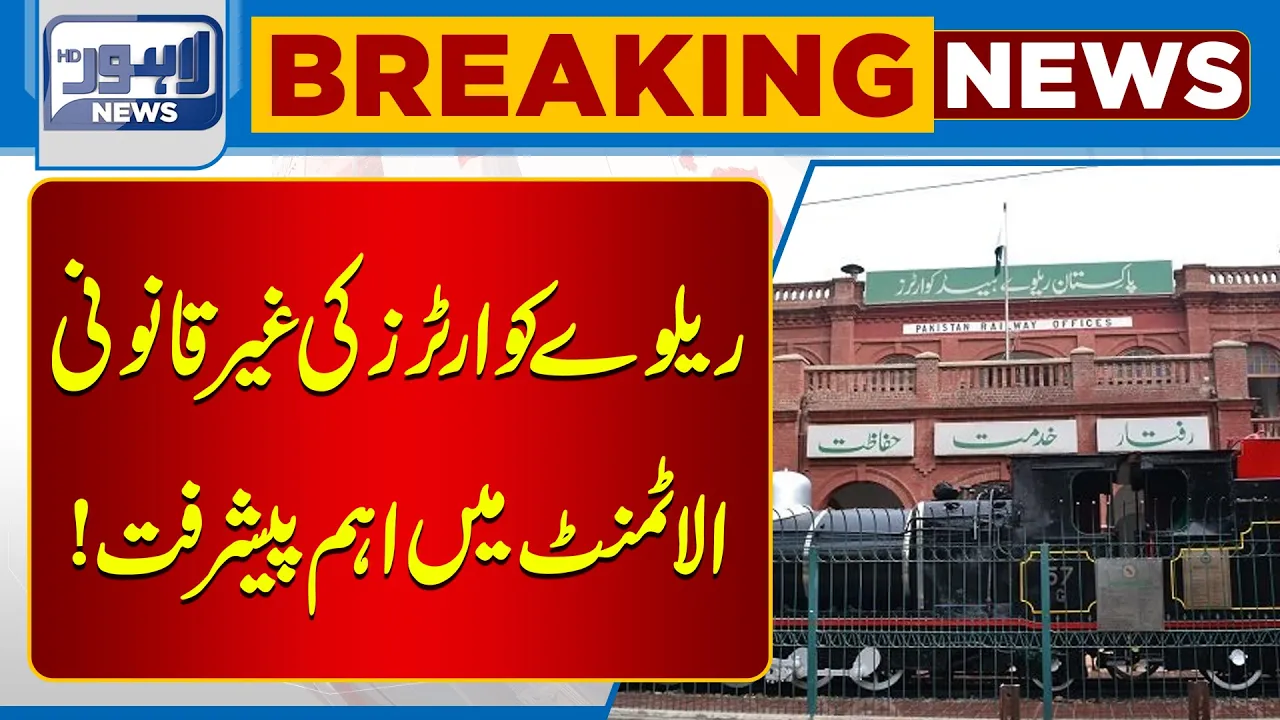
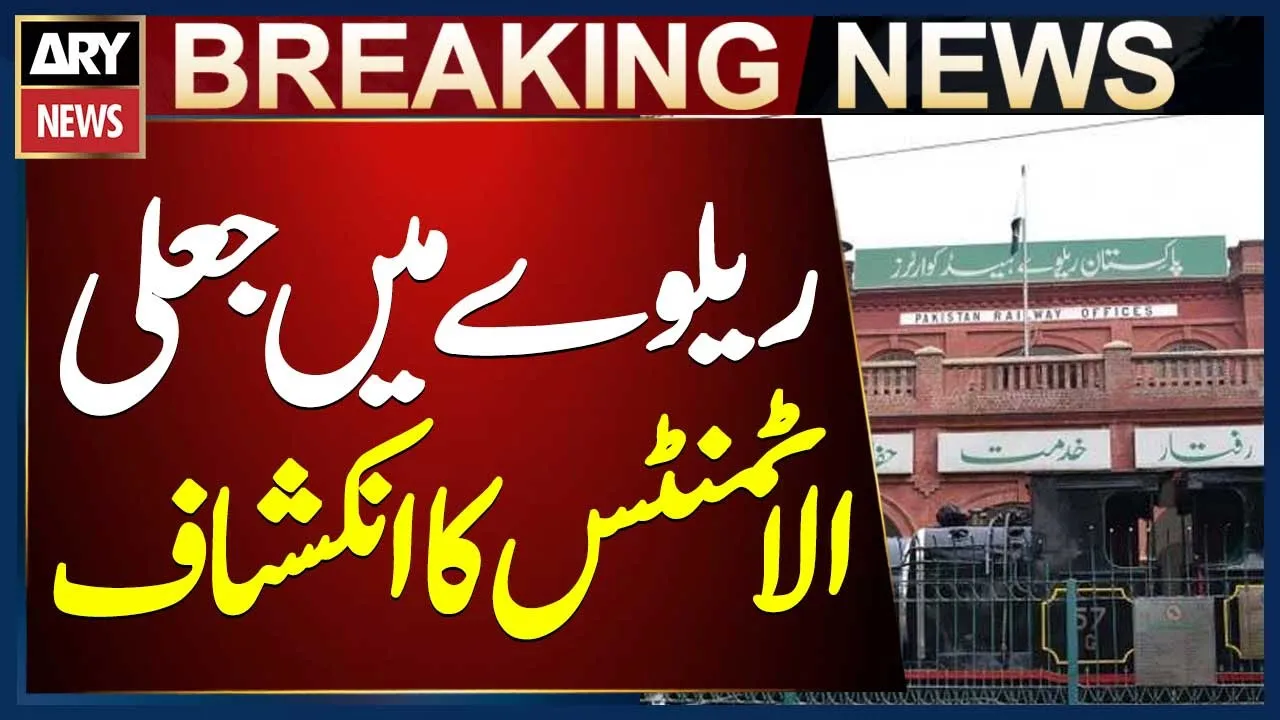
Massive Scam Uncovered: 200 Railway Quarters Illegally Allotted in Lahore
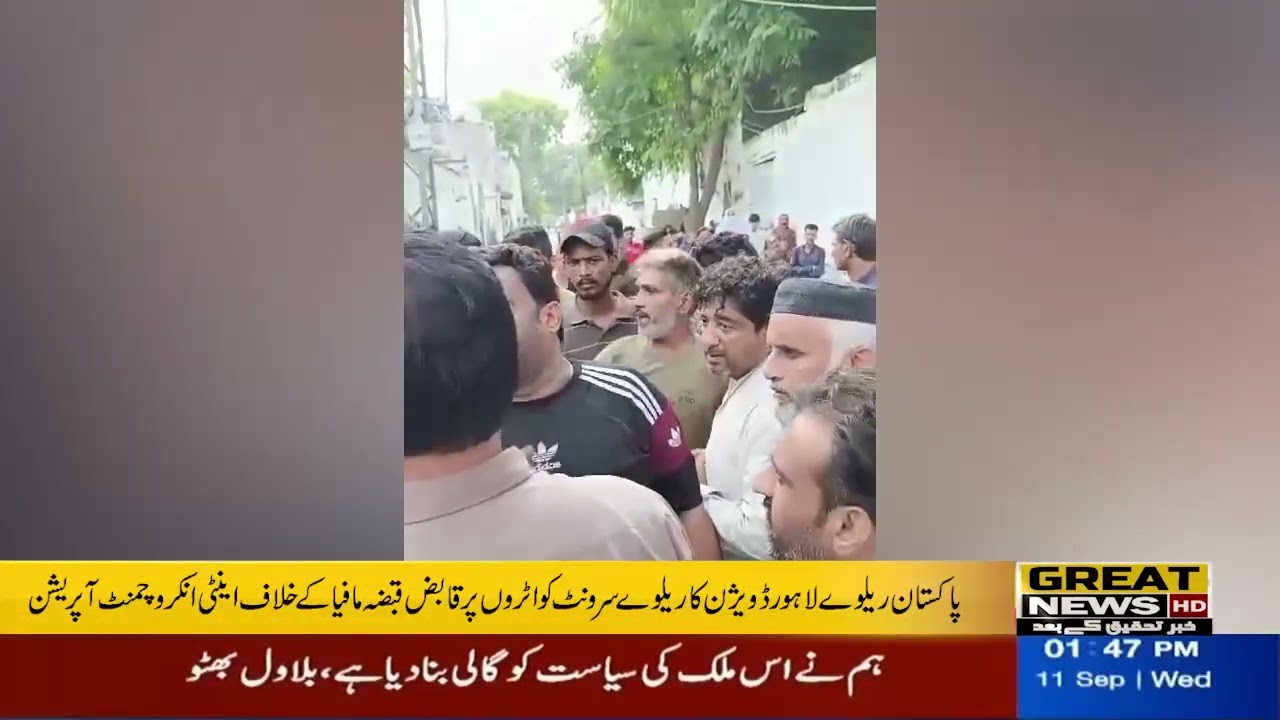
A Pakistan Railways vigilance inquiry confirmed that approximately 200 railway quarters in Lahore and workshop divisions were unlawfully allotted in recent years. A case has been registered against an upper-division clerk, Adil Shahzad, for securing bungalow 260-B through fraudulent means and illegally renting out servant quarters. The PR Vigilance DG recommended disciplinary action, and a Lahore Police-Rural (PR) vigilance committee—headed by the SP Mughalpura—has been tasked with investigating estate inspectors and officers involved. The scam reportedly involved Rs 100 million in corruption.
Severe Housing Crisis: Over 1,000 Railway Quarters in Lahore in Dilapidated Condition
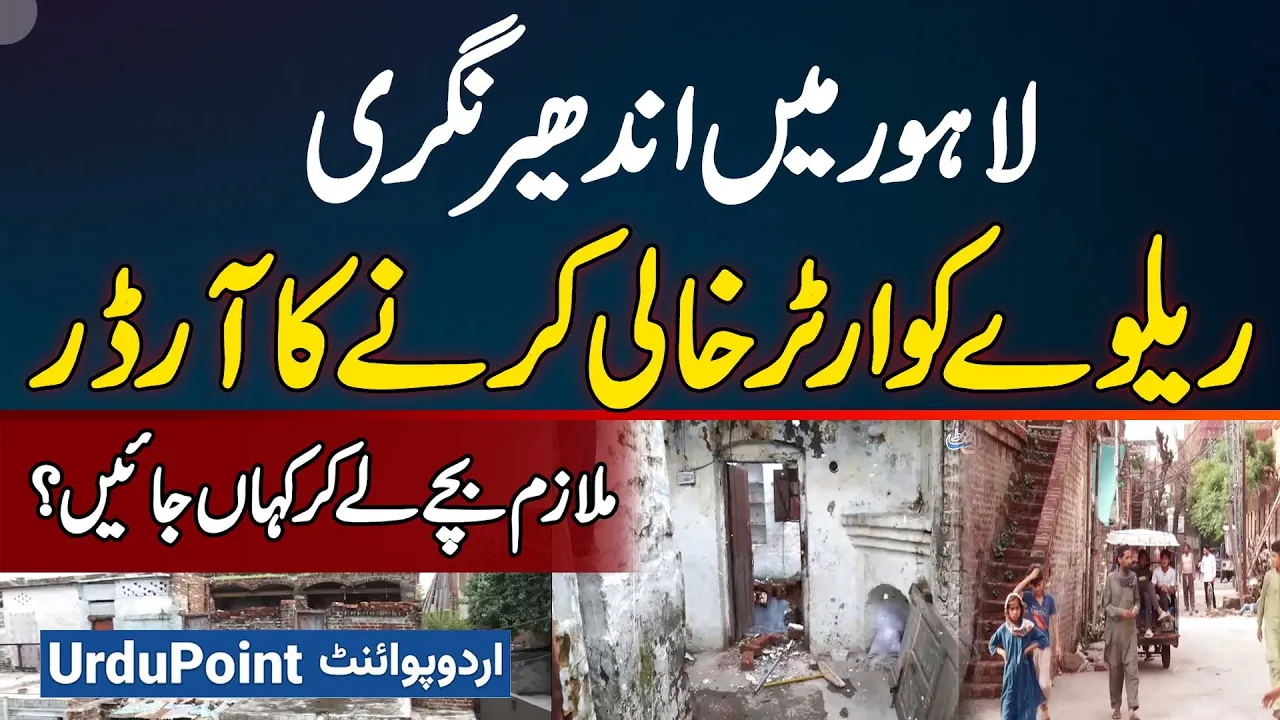
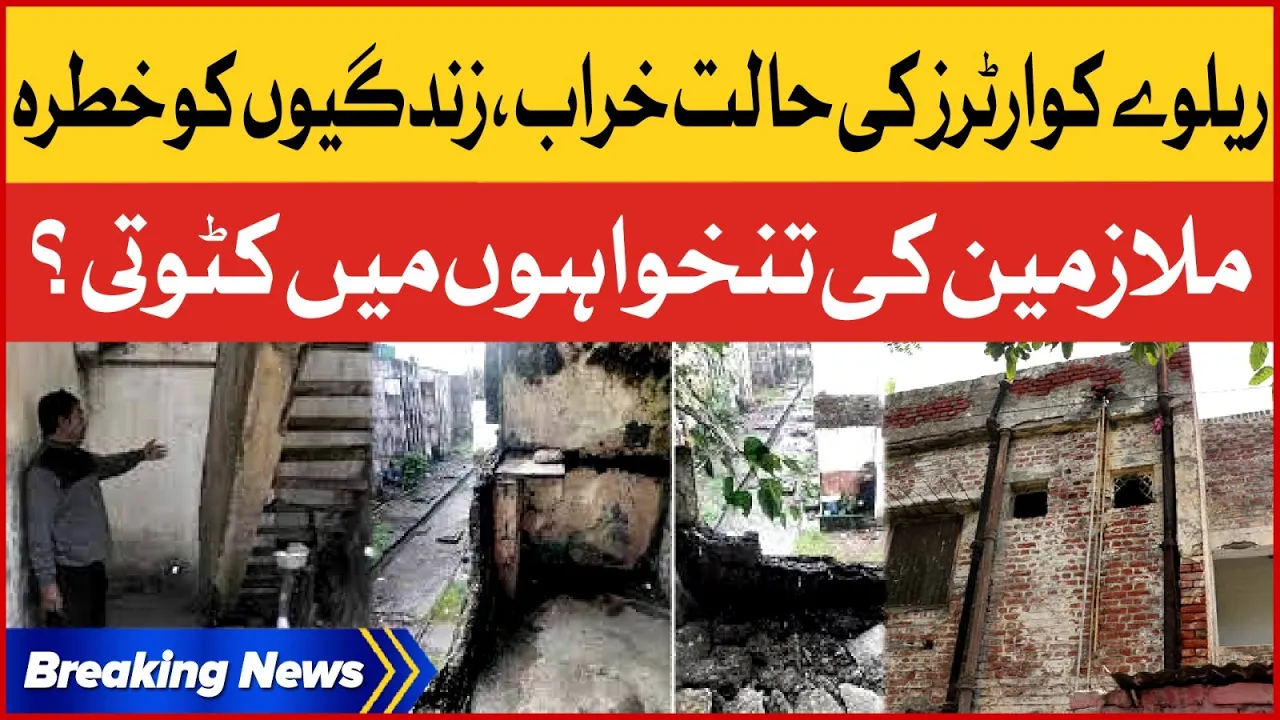
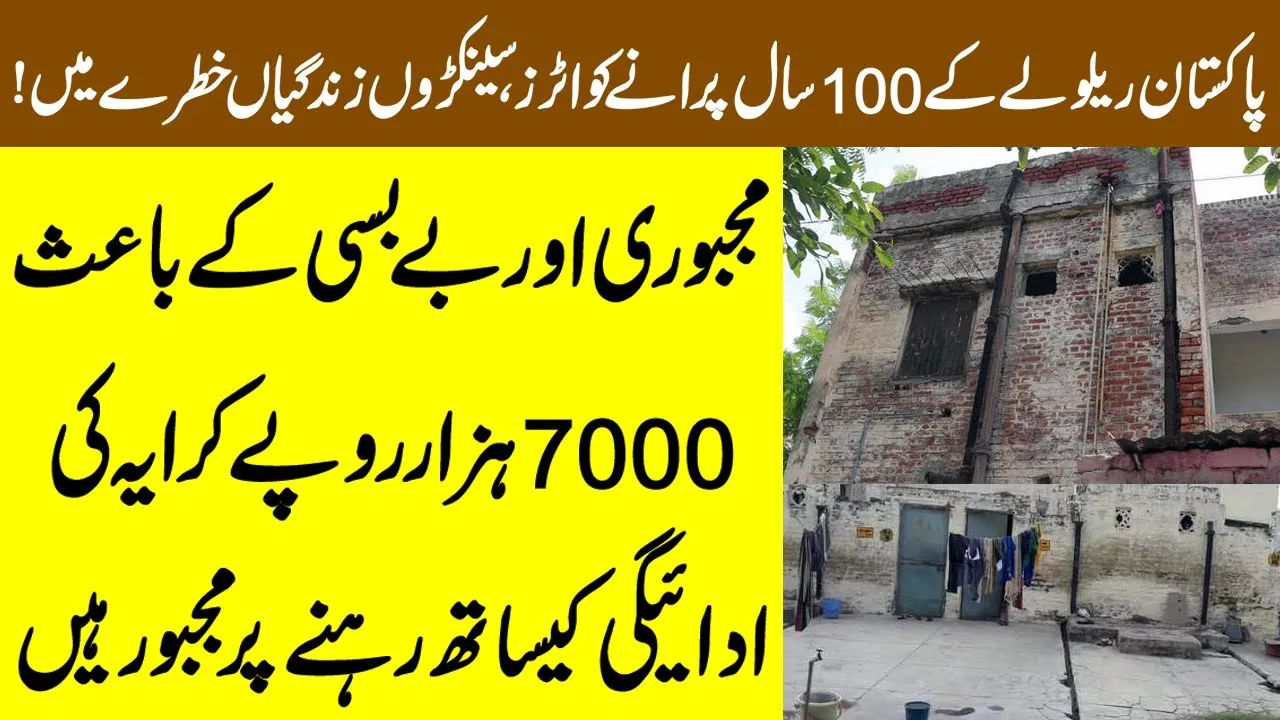
More than 1,000 railway employee quarters across Lahore remain in severely dilapidated condition, prompting public acknowledgment by the Railway Minister in August 2025. He ordered immediate corrective action following widespread reports of structural decay, lack of maintenance, and uninhabitable living conditions. This crisis exists alongside the ongoing illegal allotment scandal, highlighting systemic failures in housing management and infrastructure upkeep.
Minister Orders Immediate Action Amid Dual Crises of Fraud and Decay
In response to converging crises—the illegal allotment of ~200 quarters and the deplorable state of over 1,000 employee residences—the Railway Minister publicly acknowledged the failures in August 2025 and directed immediate remedial measures. The Lahore PR SP Mughalpura-led vigilance committee was formally assigned to investigate fraudulent allocations and recommend disciplinary actions, while rehabilitation planning for deteriorating quarters entered formal review—though no concrete implementation timeline or budget allocation has been publicly disclosed.

Strong sense of community where neighbors know each other. Many societies have their own security staff and controlled gates, fostering a familiar and relatively safe environment.

Situated in central or semi-central locations, close to transport routes, providing good accessibility.
Offers low-cost housing, making it an affordable option, especially for lower-income railway staff.

Reports of bogus or ghost allotments of quarters on fake names, with unauthorized occupation. The railway administration has failed to conduct proper surveys and repair work for years.
Residents suffer from pest infestations, contributing to unsatisfactory and unhygienic living conditions.
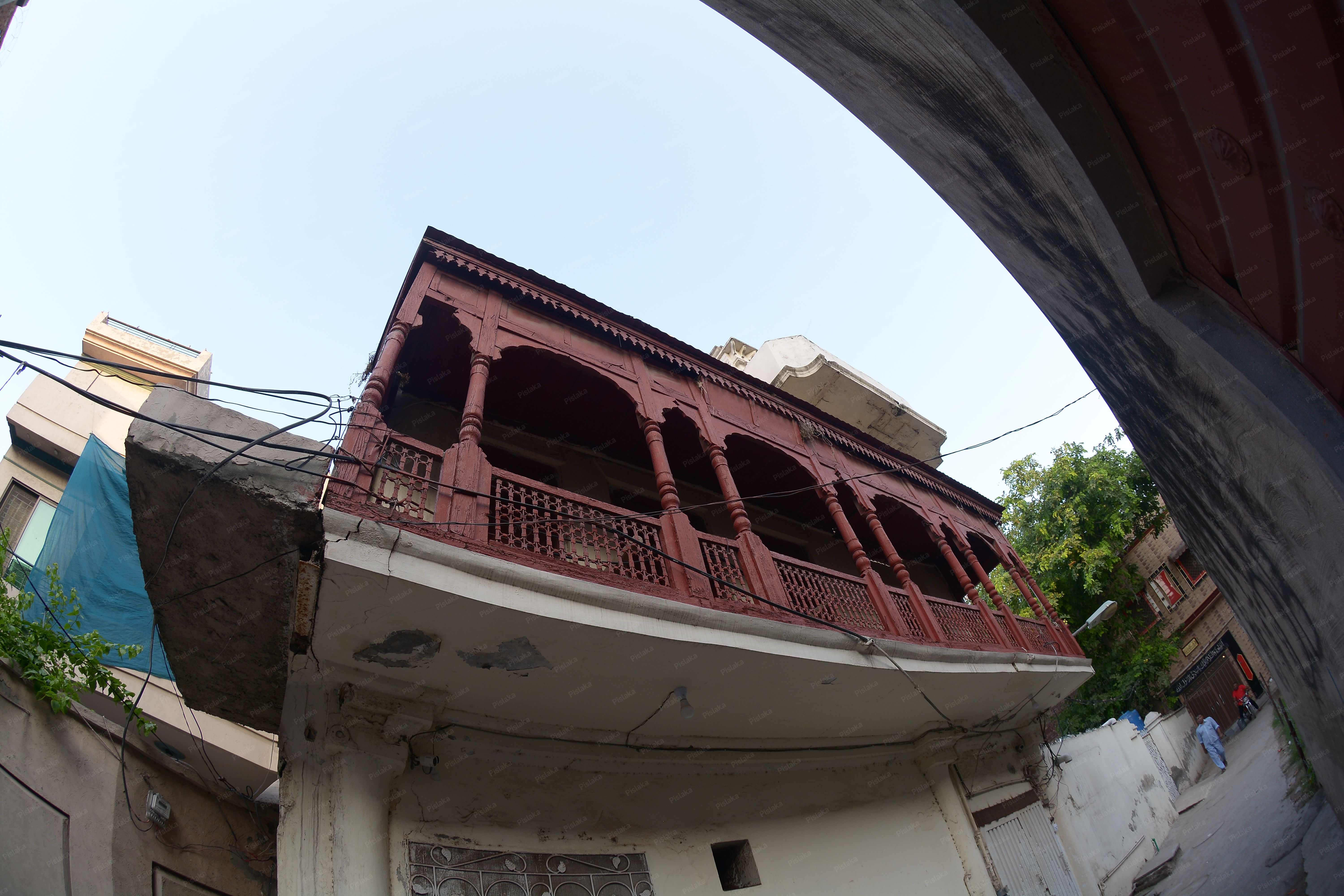
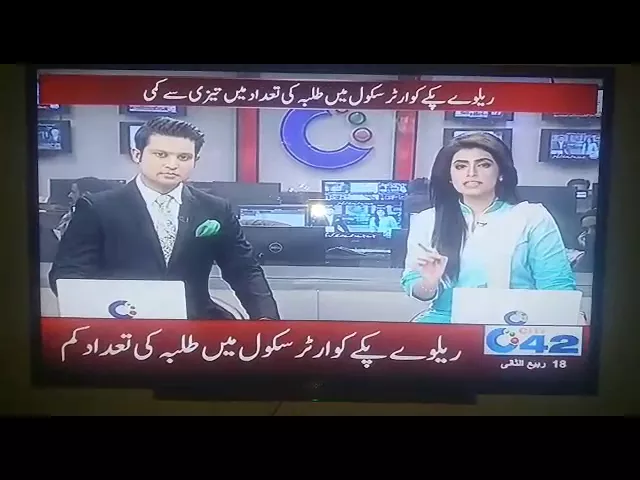
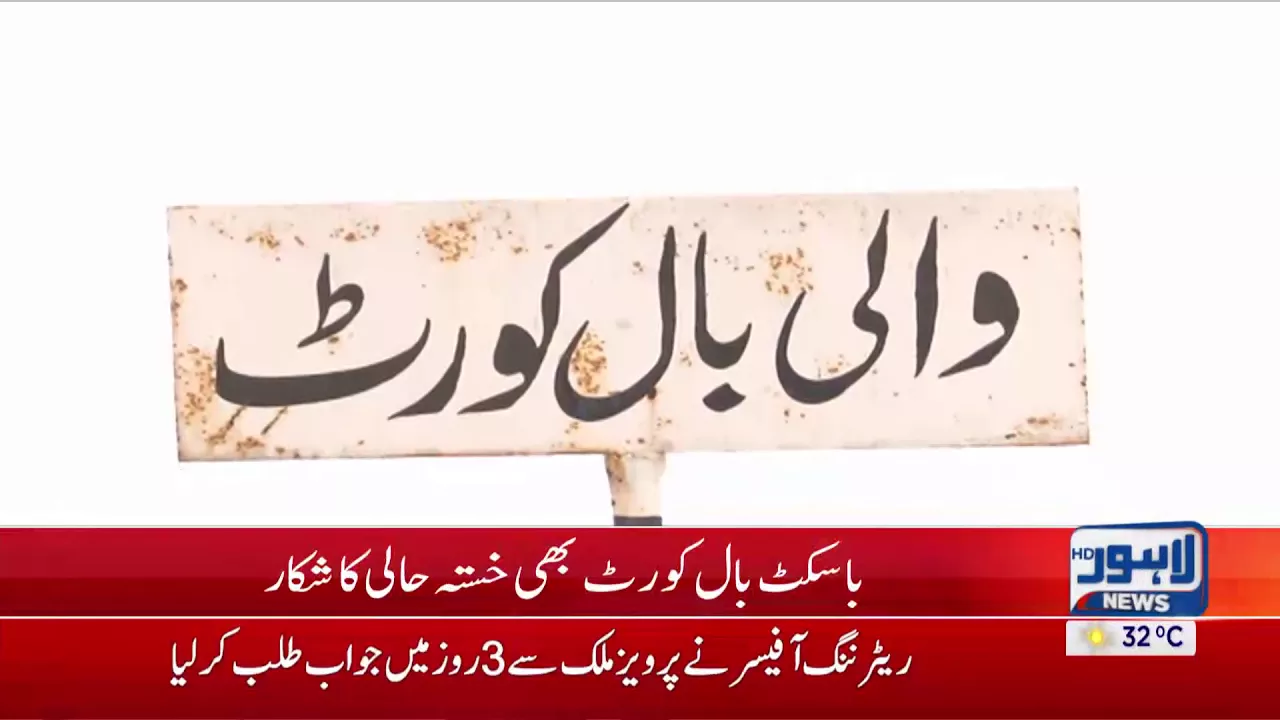
Severely deteriorated housing originally converted from 1912 stables, with cracked roofs, leaky walls, and unsafe structures. Roof collapses have been reported. Buildings have not seen major repairs for decades.
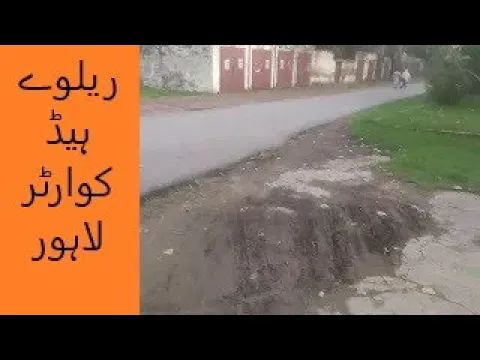
Dysfunctional sewage and sanitation systems, leading to backups and foul odors. The area is unkempt with wild foliage and presents a generally dilapidated look.
Absence of modern facilities and amenities commonly found in newer housing societies.
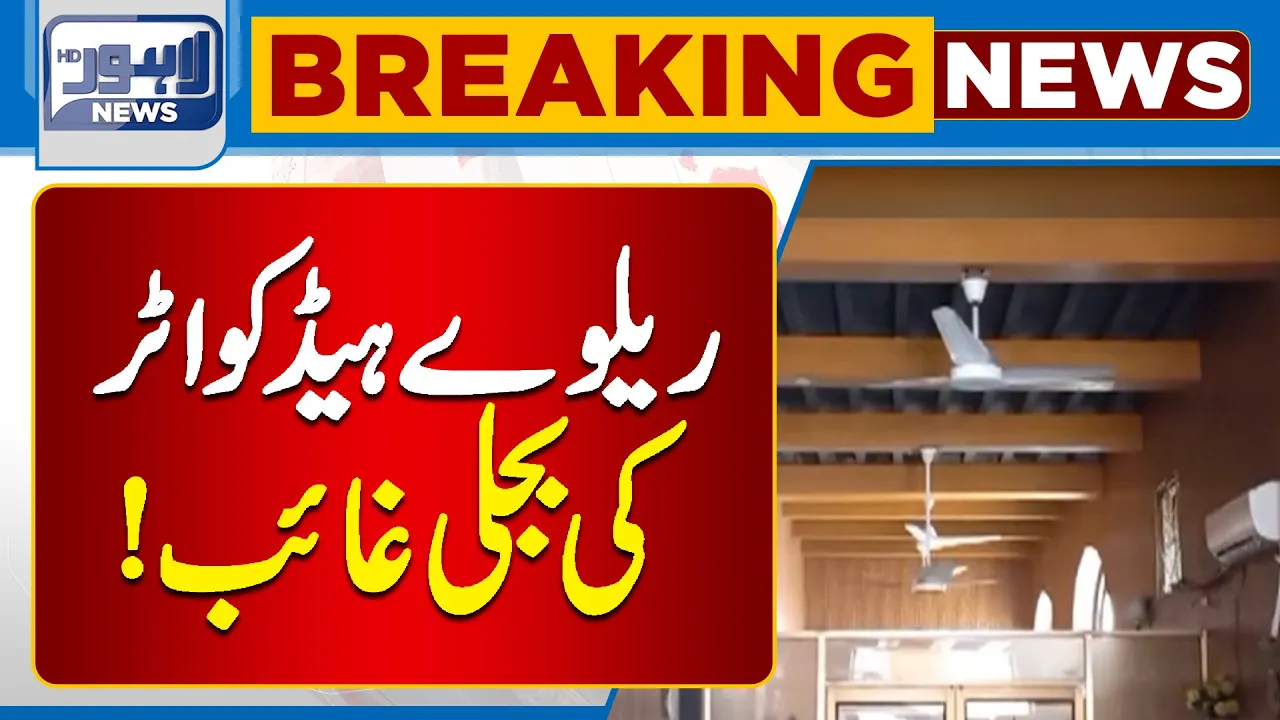
Frequent shortages and unreliable supply of water, electricity, and gas. Many units lack these basic utilities altogether.
Minor repairs that are done are washed away by rain after a few months, indicating a lack of durable maintenance work.