Social Security Workers Welfare Multi Story Flats

Details
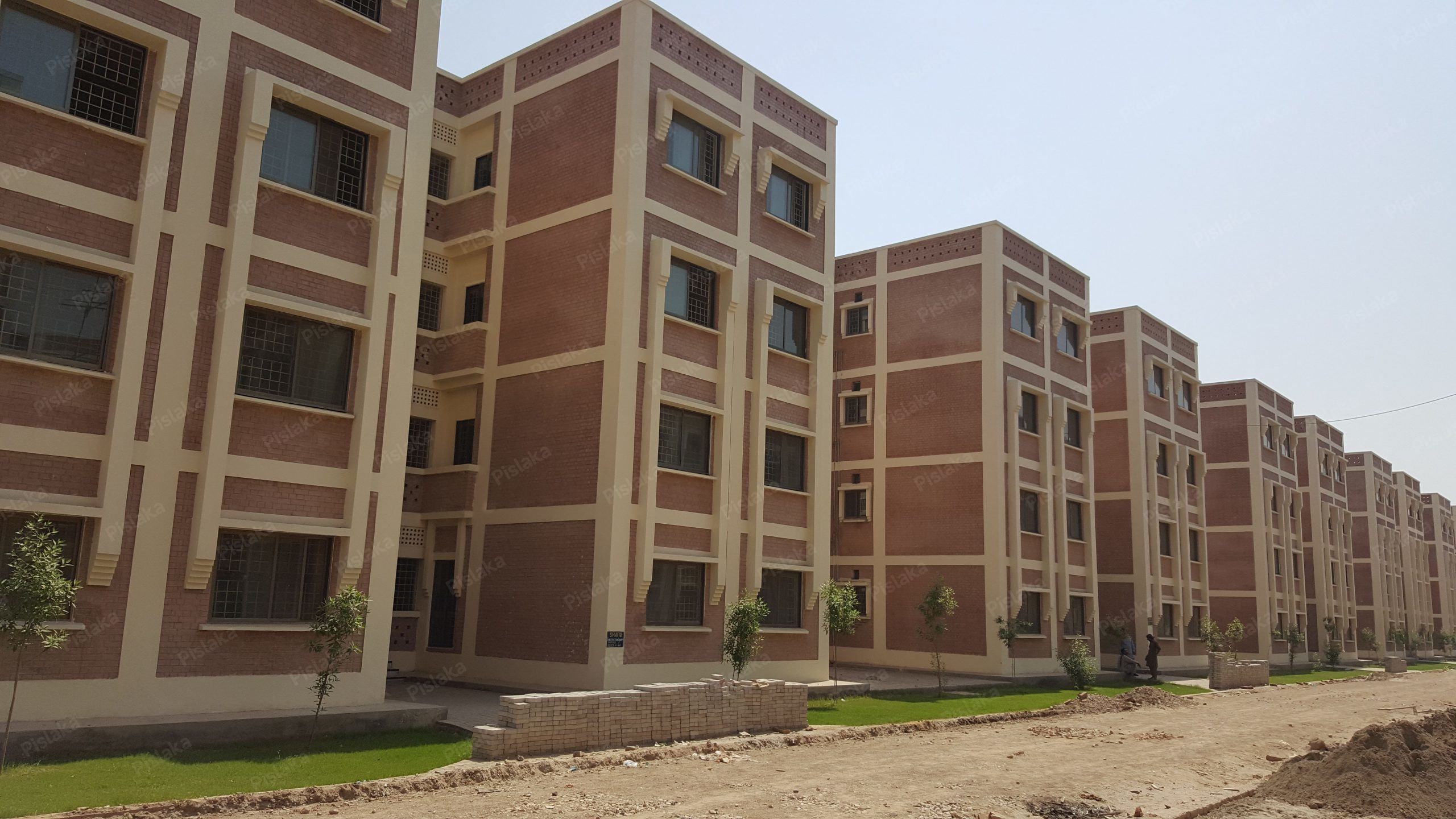
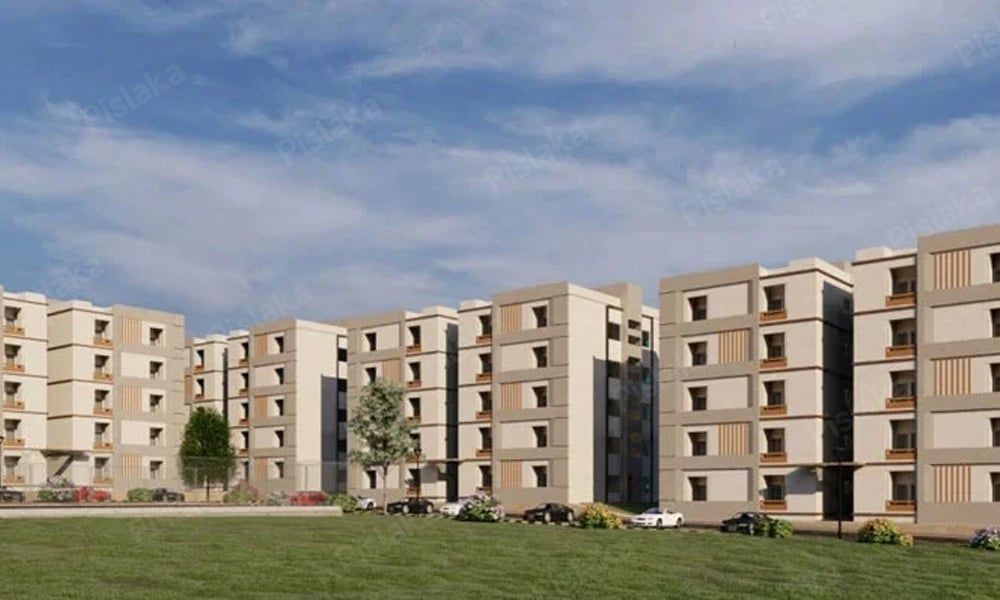
Social Security Workers Welfare Multi Story Flats is a government-backed housing project developed under the Punjab Workers Welfare Board and Punjab Employees Social Security Institution to provide affordable homes for industrial and labor-force families. It comprises 272 multi-storied apartments with standard two- to three-bedroom layouts and basic finishes. Located in Allama Iqbal Town, the project offers easy access to major roads and city amenities, making it a cost-effective and secure residential option for low- and middle-income households.
- Developer: Punjab Workers Welfare Board (PWWB), a state-run agency focused on workers' welfare housing.
- Ideal For: Ideal for first-time buyers, small families, and industrial workers seeking affordable, government-subsidized residential units with convenient access to public transport and urban facilities.
Map-calculated
In total
In total
Latest Updates
Inauguration of 720 Free Multi-Story Flats for Industrial Workers in Lahore under PESSI
In May 2026, Punjab Chief Minister Maryam Nawaz Sharif formally inaugurated the handover of 720 newly built, multi-story residential flats to industrial worker families in Lahore under the Punjab Employees Social Security Institution (PESSI). The apartments were provided free of charge, with allotment letters and keys distributed at a ceremonial event. Special allocation quotas were enforced: 3% for widows and 2% for disabled workers. The initiative marks the first large-scale dignified homeownership program for laborers in Pakistan’s history.
Phase-I Launch of Punjab Workers Flats Scheme: 750 Flats in Sundar (Kasur), with Lahore Eligibility and Quota System
The Punjab Workers Flats Scheme launched its Phase-I with 750 free residential flats at the Workers Welfare Complex, Sundar Industrial Estate in Kasur District. While physically located in Kasur, the scheme explicitly includes Lahore-based industrial workers, allocating one-third of the quota to Lahore residents. It reserves 3% for widows and 2% for disabled workers. Applications were open until September 8, 2025, with forms available online or free from labour welfare offices.
Enhancement of Social Security Benefits: Marriage Grant Raised to PKR 600,000 and Death Grant to PKR 1,000,000
Concurrent with the housing initiative, the Punjab government announced significant increases to core social security benefits administered via the Workers Welfare Fund: the marriage grant was raised from PKR 400,000 to PKR 600,000, and the death grant increased from PKR 800,000 to PKR 1,000,000. These enhancements apply to industrial workers registered with EOBI and Social Security Institutions and reflect a broader expansion of the province’s social protection system.

Low-cost, government-subsidized pricing making home ownership affordable for low- and middle-income industrial workers and their families.

Strategic location near industrial areas, reducing daily commuting time and travel costs for workers.
Provides a sense of community with nearby parks and shared spaces designed for family living.
Formal, transparent allotment process through computerized balloting that prioritizes registered industrial workers, widows, orphans, and disabled dependents.

Irregular water supply and frequent power cuts, causing inconvenience to residents.
Poor construction quality, use of sub-standard materials, and low-quality finishes leading to issues like cracks in walls and ceilings.
Overall living experience and facilities are perceived as sub-standard compared to private housing societies.
Delays in project execution, possession, and issuance of ownership documents, along with bureaucratic hurdles during application and verification processes.
Limited privacy and security concerns, which are common issues in Lahore's high-density apartment projects.
Inadequate maintenance of common areas and poor overall infrastructure, including lack of proper underground sewerage systems.