Public Health Society

Details
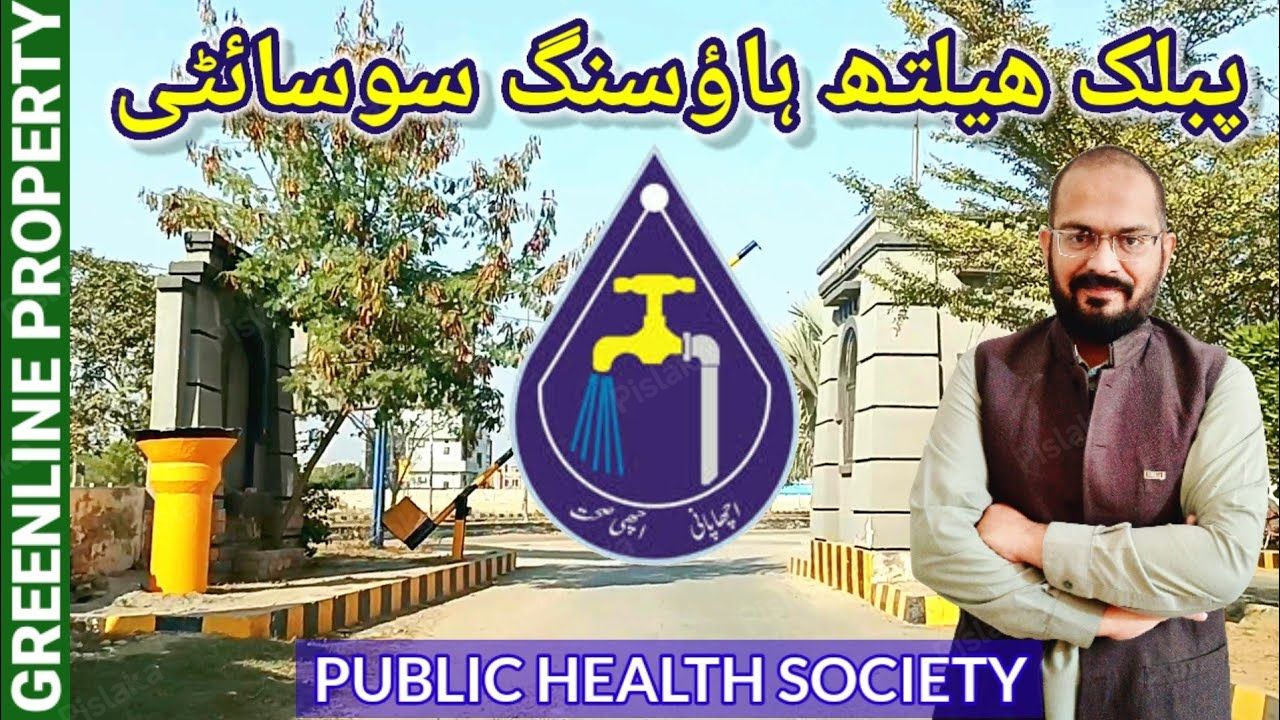
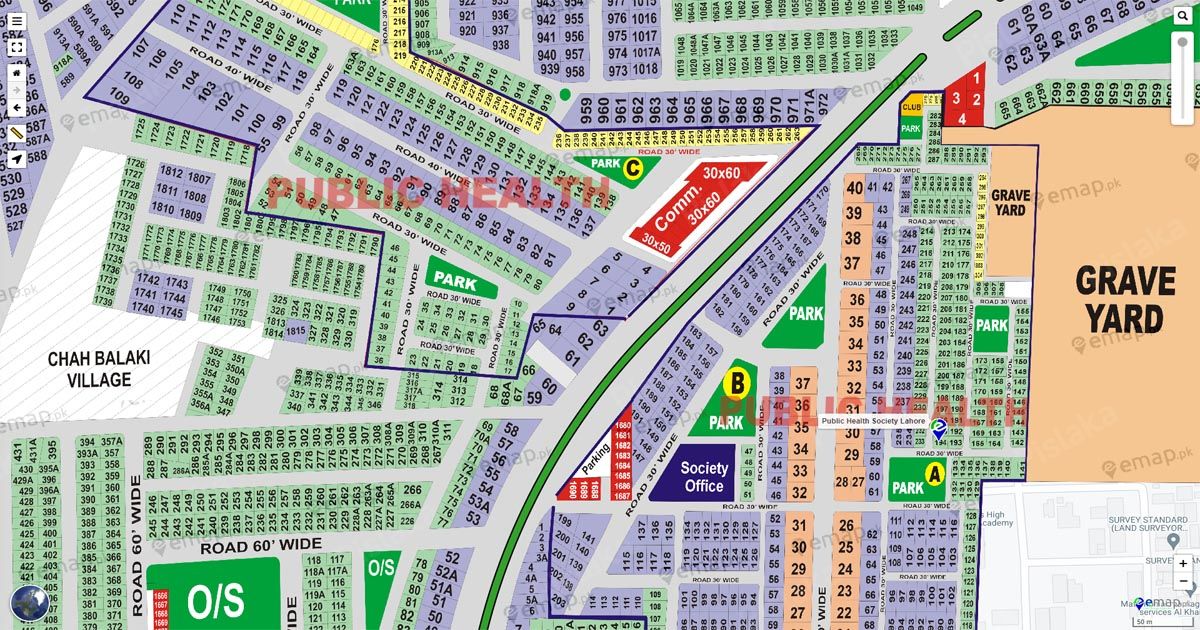
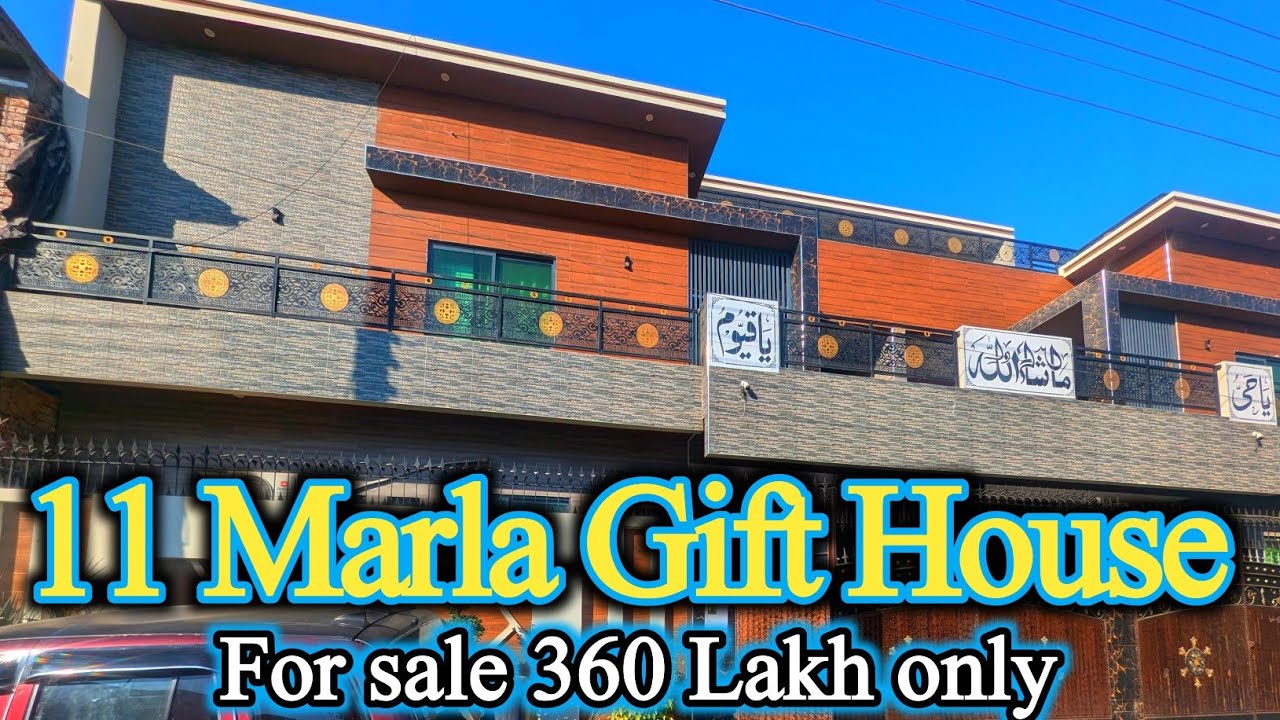
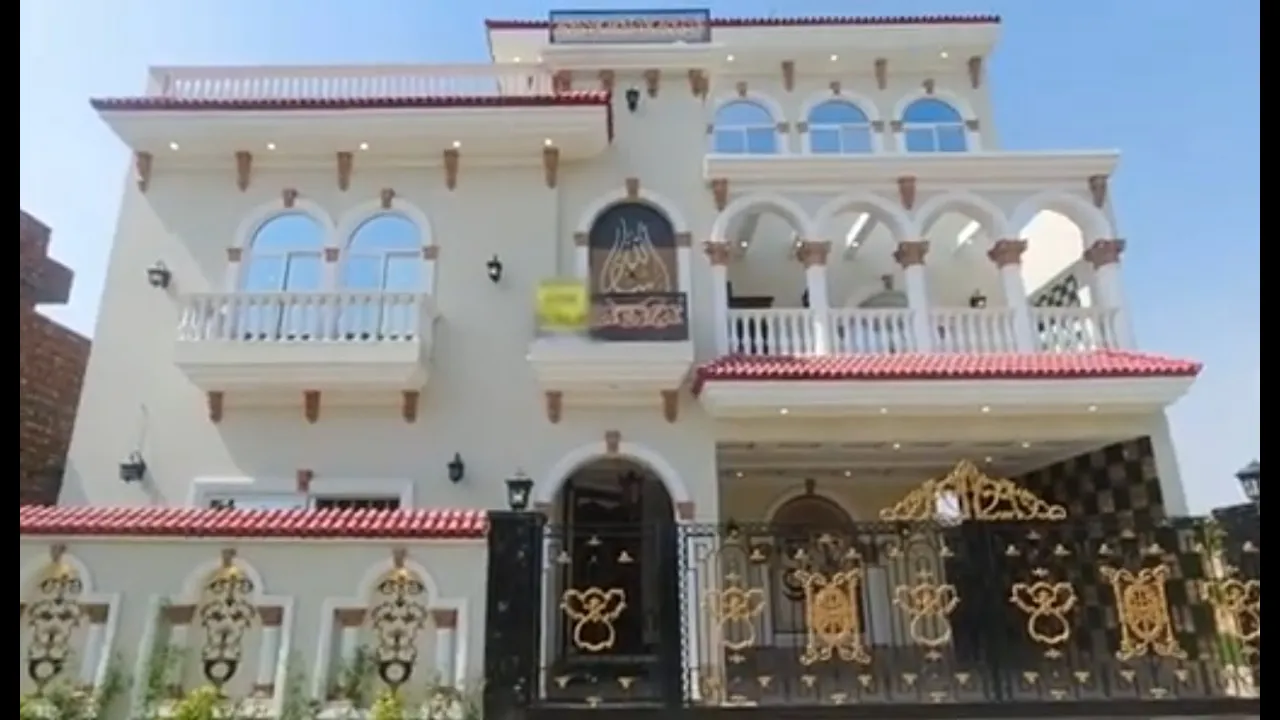
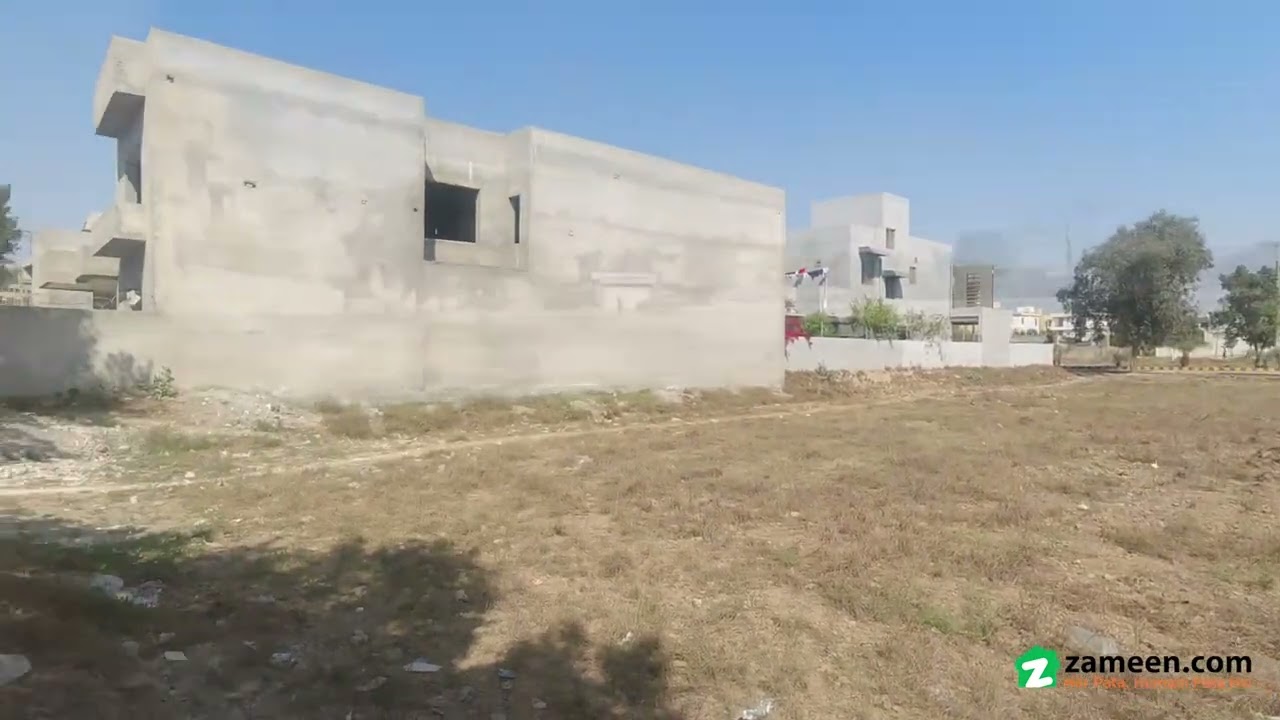
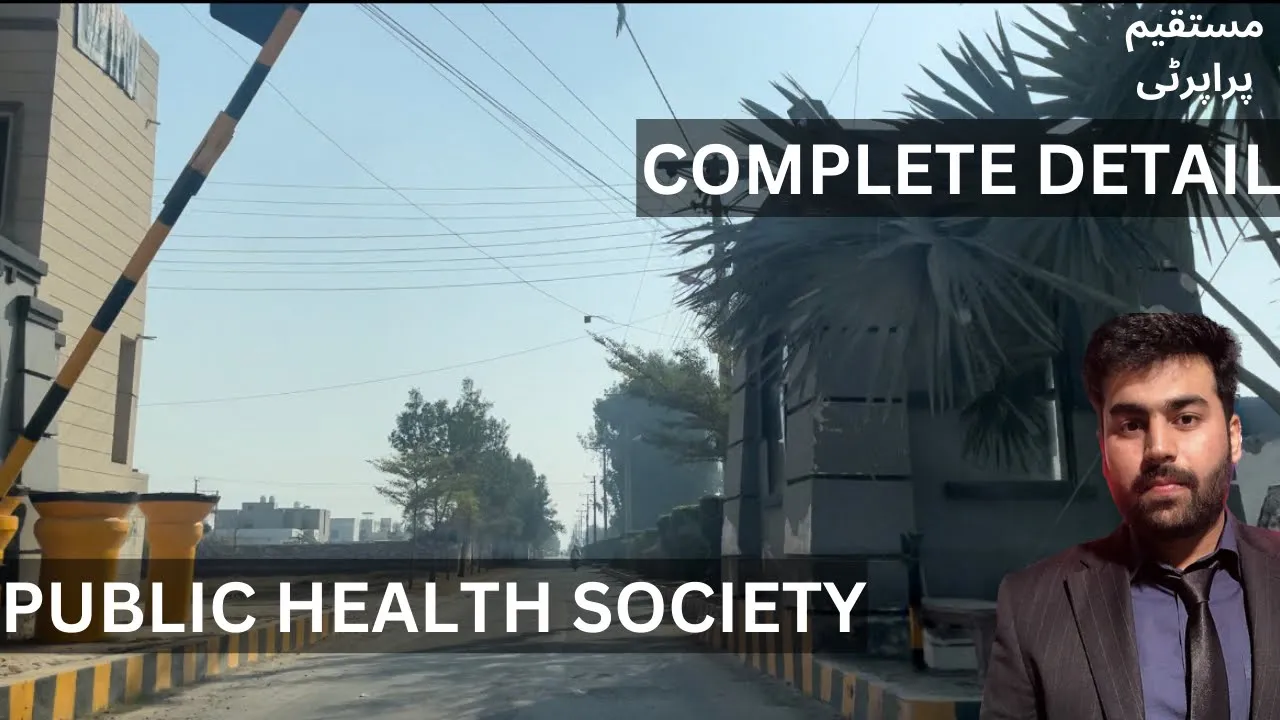
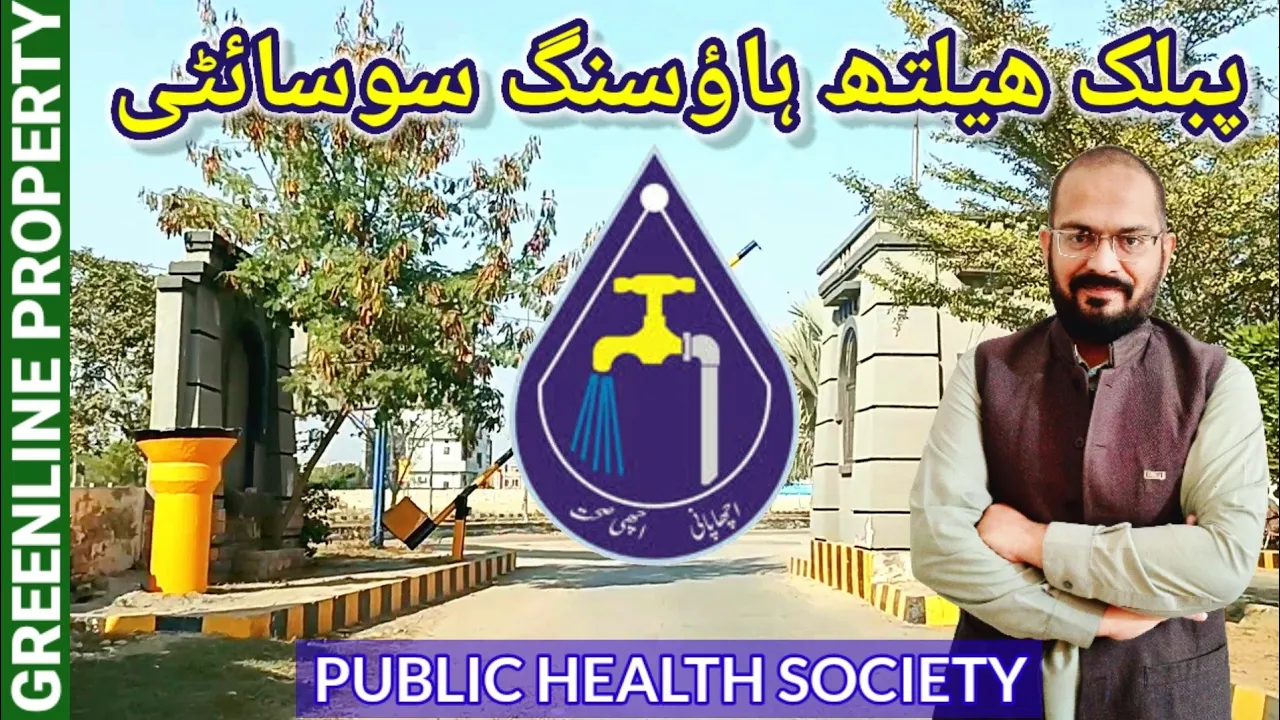
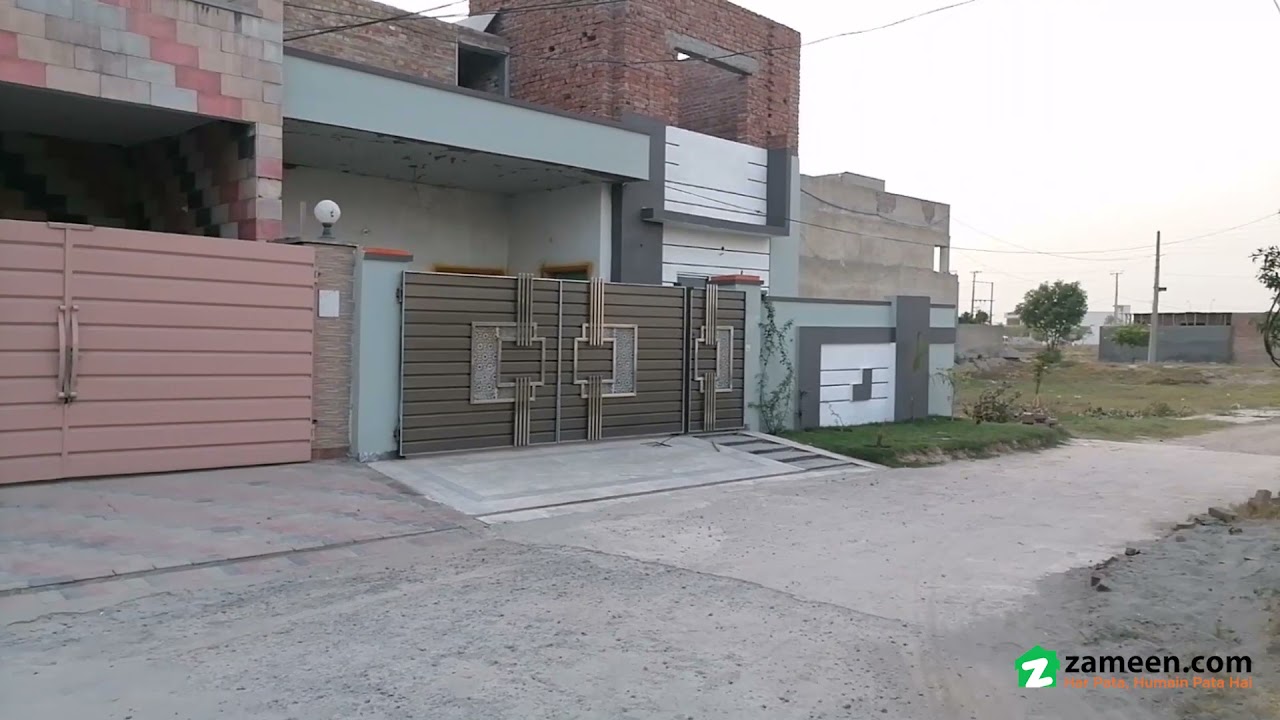
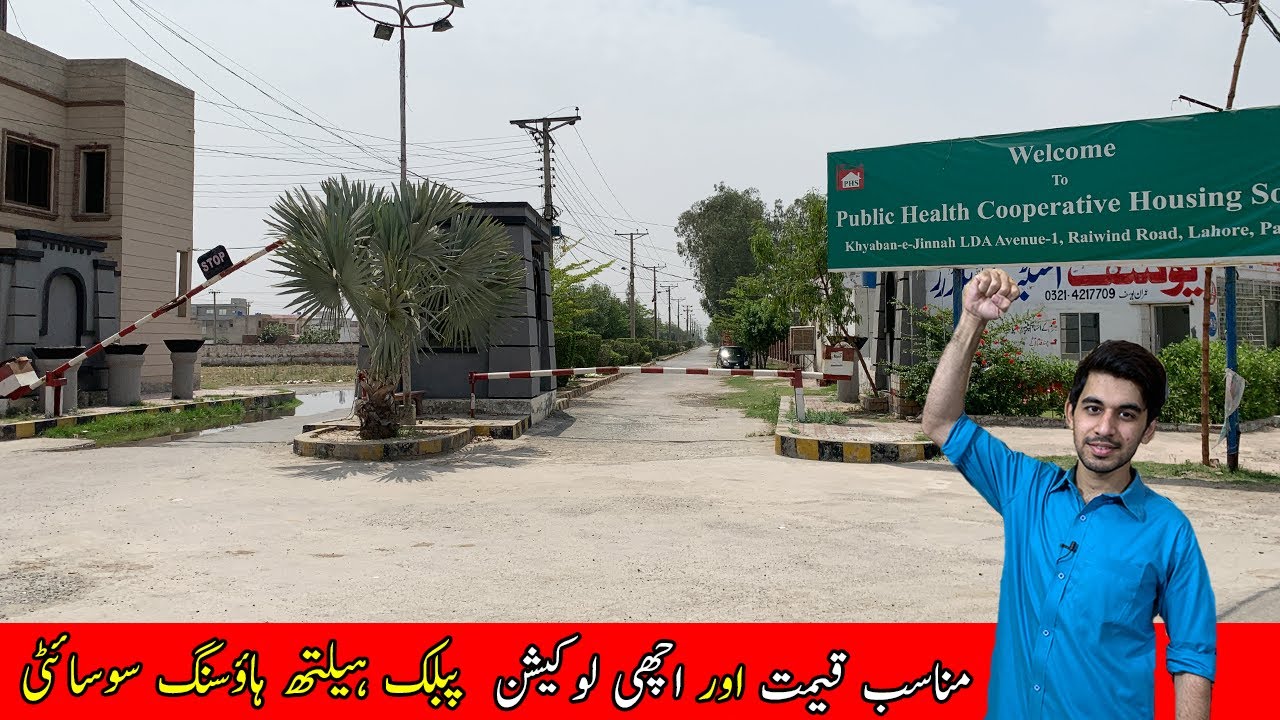
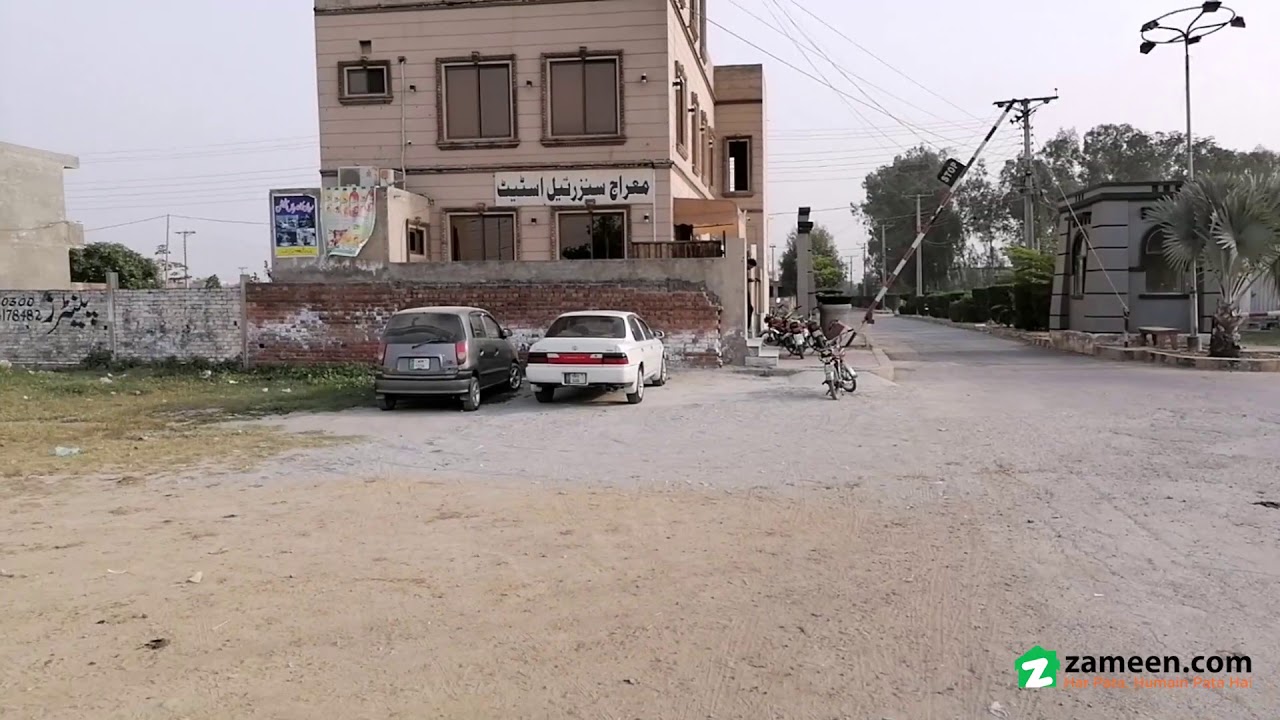
Public Health Society is a government-run cooperative housing scheme located on Raiwand Road in Lahore. It includes the LDA-approved sub-area known as LDA Avenue and offers residential plots ranging from 10 marla to 1 kanal with basic utilities like electricity, water, and Sui-gas. Overseen by the Punjab Public Health Engineering Department (PHED), it is an affordable option for budget-conscious buyers, though infrastructure development has been slow and legal-title issues have been reported. Its low entry price and proximity to major Lahore thoroughfares make it appealing for long-term appreciation or starter-home locations.
- Developer: Punjab Public Health Engineering Department (PHED)
- Ideal For: It is suitable for budget-conscious buyers and investors looking for affordable plots with potential for long-term appreciation.
Map-calculated
In total
In total
Latest Updates
International Conference on Alternative Health and Immune Support to be hosted in Lahore on 19 December 2026
Lahore will host the International Conference on Alternative Health and Immune Support (ICAHIS) on 19 December 2026, serving as a platform for local health professionals and societies to discuss emerging public-health challenges and mitigation strategies. This event is part of a broader series of public health conferences scheduled across Pakistan in late 2026.
Poliovirus detected in Lahore sewage system prompting renewed vaccination drives
In June 2026, health authorities announced the detection of poliovirus in Lahore’s sewage system, triggering an immediate public health alert and launching renewed mass vaccination campaigns to prevent potential outbreak, particularly among children.
Lahore’s waste crisis escalates into acute public health emergency with hazardous 'trash mountains'
A June 2026 news report highlighted Lahore’s worsening waste management crisis, describing massive 'trash mountains' generating hazardous air quality and posing acute respiratory and infectious disease risks to nearby communities—exacerbating pre-existing environmental health burdens.
Health & Population Department of Lahore issues high-alert directive amid COVID-19 surge in early February 2026
In early February 2026, the Lahore Health & Population Department declared a high-alert status and expanded medical coverage—including hospital capacity and testing—to manage a significant surge in COVID-19 cases, reflecting ongoing pandemic-related strain on local health infrastructure.
Severe smog crisis in October 2024 shortens life expectancy in Lahore by up to seven years
A peer-reviewed qualitative review confirmed that Lahore’s October 2024 smog crisis caused a sharp rise in pediatric and geriatric respiratory admissions and is estimated to shorten average life expectancy by up to seven years, with children disproportionately affected due to biological vulnerability and limited protective measures.

Plots are level and have water and electricity connections, particularly in Block A.

Quiet and relatively peaceful neighborhood with lower traffic and greener atmosphere, especially in Block A.

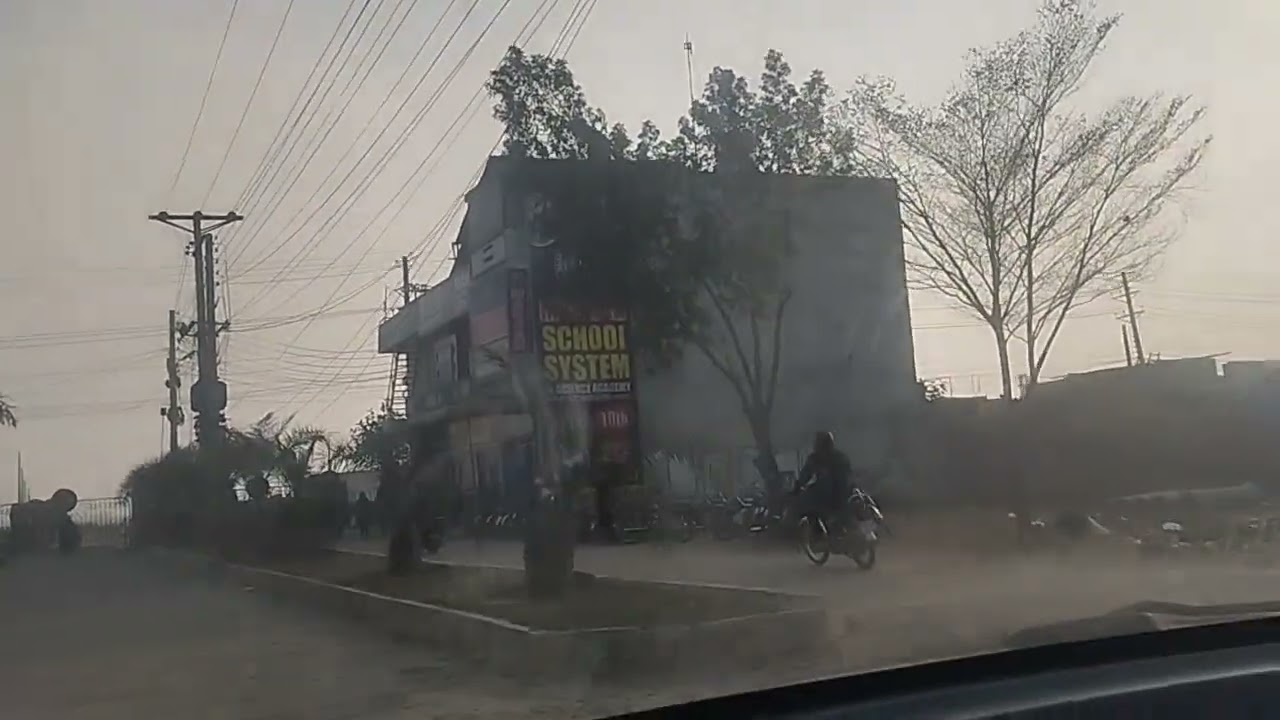
Broader urban issues including rising property prices, increasing pollution, traffic congestion, and shortage of new government hospitals impact the overall living experience.
Uneven sewerage and water-pressure services, with issues such as open sewerage holes and inconsistent water supply.
Prolonged delays in development with little to no development work for many years.
Management office is slow to respond to complaints and is perceived as inefficient.
Ongoing litigation that prevents possession of allotted plots, especially in some blocks like Block C.