Grain Market

Details
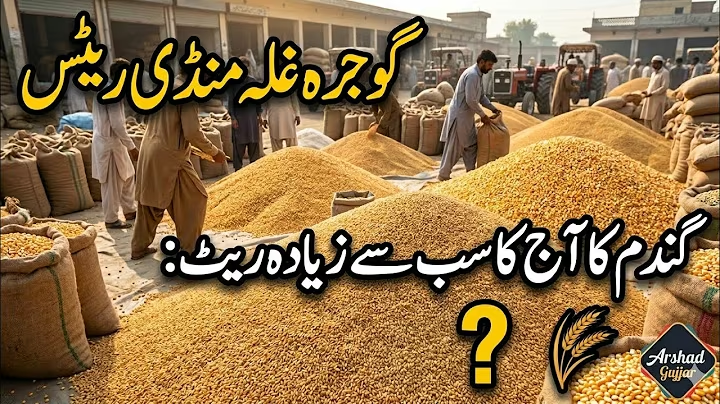
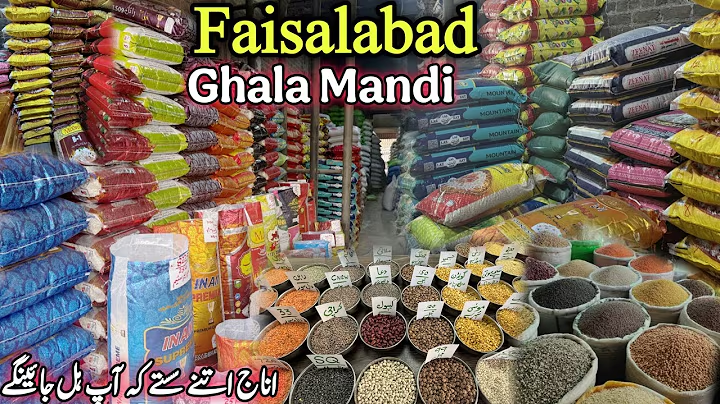
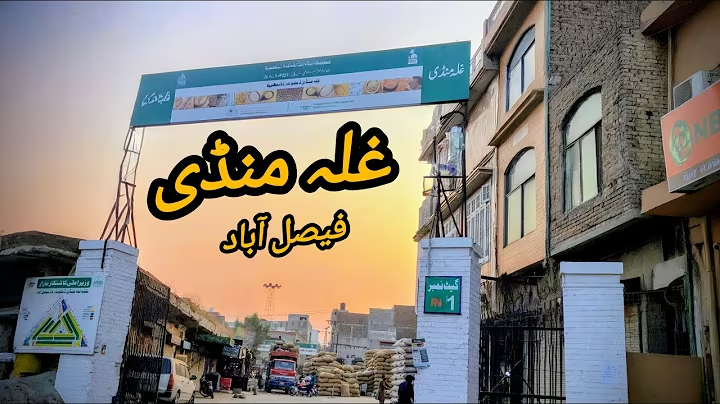
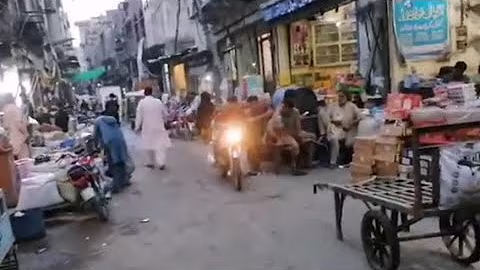
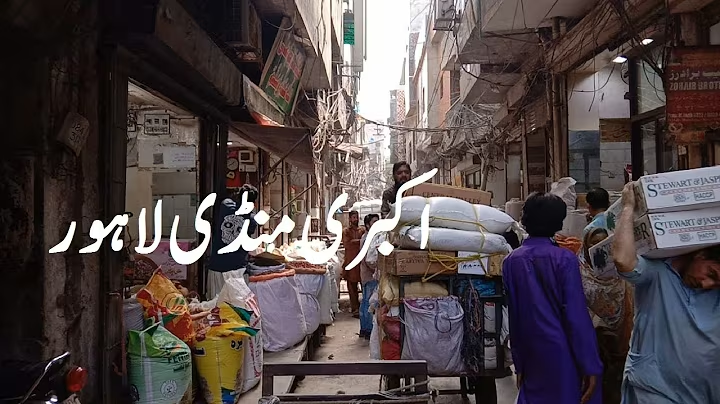
Grain Market Lahore is a historic commercial area that originated as a central hub for grain trade in the city. Currently, it serves as a bustling mixed-use neighborhood with a blend of residential and commercial properties. Its core positioning revolves around being a key market center, offering easy access to various amenities and transportation links. Key characteristics include its vibrant atmosphere, cultural diversity, and economic significance.
- Developer: Local Government Authorities
- Ideal For: Ideal for commercial investors and business owners due to its prime market location and high foot traffic.
Map-calculated
In total
In total
Latest Updates
Policy and Price Control Initiatives in Lahore
The Deputy Commissioner of Lahore's office has released an official notified price list for essential commodities, including staple grains, as of February 26, 2026. This effort is part of ongoing price control measures, with authorities urging the public to use official channels to report violations. Market updates from February 15, 2026, also note fluctuations in key grains like wheat, rice, barley, and maize at the Akbari Mandi.
Daily Fluctuations in Lahore's Akbari Mandi Grain Prices
The Lahore grain market (Akbari Mandi) consistently publishes daily price lists for a wide range of grains and commodities, including wheat, rice, sugar, and pulses. These reports provide the high and low price ranges for each item on a daily basis, serving as a crucial reference for traders, farmers, and consumers in the region.
Wheat Price Volatility Ahead of Harvest
The Lahore wheat market is experiencing significant price surges just before the new harvest season, raising concerns about potential flour price hikes and broader food inflation. The Punjab government's decision to halt official wheat releases to mills, coupled with delays in fresh crop arrivals, has created a supply gap, forcing mills to procure wheat from Sindh at higher rates. The government later resumed releases, assuring supplies from PASSCO.

Creates economic opportunities for traders, vendors, and nearby shop-owners.

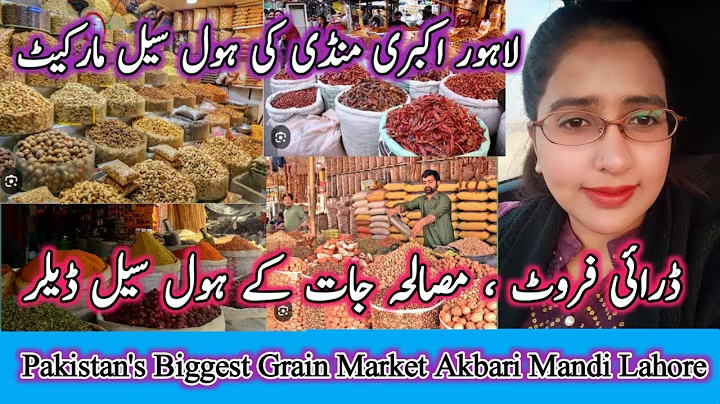
Lively atmosphere with easy access to fresh and inexpensive grains, spices, and seasonal produce at Akbari Mandi, the largest wholesale grain market.
Good public-transport links due to central location.
Cultural heritage that attracts visitors and supports local eateries and coffee shops.

High costs for security, sanitation services, and everyday grocery items in the surrounding neighborhoods.
Occasional foul odors from nearby drainage channels, especially in Block J, Sector 2.
High crime rate, including robberies and murders.