Gazi Park


Details
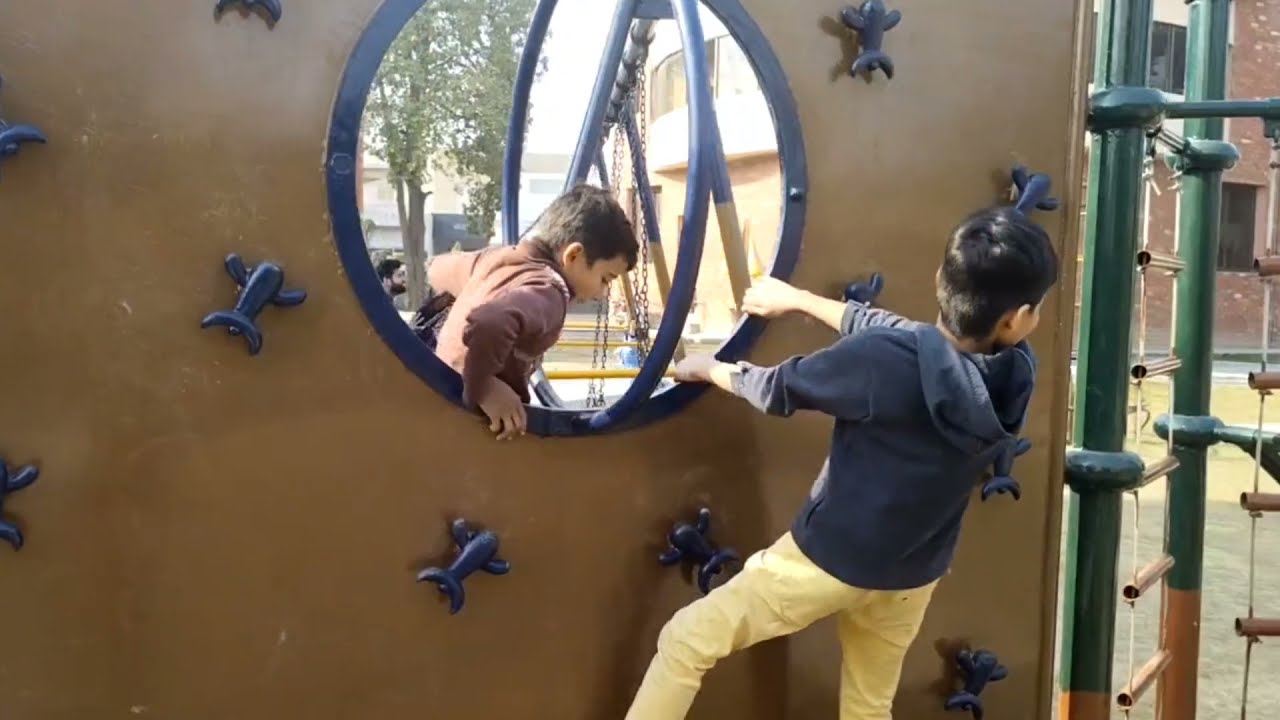
Gazi Park Lahore is a modestly sized community park in Green Town, offering landscaped green spaces, walking/jogging tracks, seating areas, a children's playground, and 24-hour open access for recreation and exercise. Maintained by the Lahore Development Authority (LDA) as a public amenity, it serves as a key neighborhood feature. Its strategic location near Ghazi Road and proximity to schools, shopping centers, and residential areas enhances its convenience and appeal for local residents.
- Developer: Lahore Development Authority (LDA)
- Ideal For: Ideal for families, first-time home-buyers, and investors in Green Town and surrounding DHA phases, due to easy access to recreational space and well-connected transport routes.
Map-calculated
In total
In total
Latest Updates
Rescue Operation Confirmed in Kolah Ghazi National Park, Southeast of Lahore
Authorities have confirmed with significant confidence that the rescue site for a recent incident is located within Kolah Ghazi National Park, situated to the southeast of Lahore. This geolocation was established following airfield identification and official verification, marking a critical development in the operational response.
Punjab Wildlife and Parks Department Seizes 59 Big Cats Amid Crackdown on Illegal Captivity
The Punjab Wildlife and Parks Department conducted a province-wide enforcement action, seizing 59 big cats — including 20 lions from a Lahore division breeding farm and 23 big cats (14 tigers, 4 lions, 5 ligers) from CITI Housing in Jhelum — and arresting eight suspects for violating space and welfare SOPs. This operation follows heightened scrutiny after a lion attack in Lahore.
Central Park Housing Scheme Development Progress in Lahore
Construction is advancing at Central Park Housing Scheme in Lahore, with active development underway in J Block. Urban Developers report commitment to world-class infrastructure and quality living standards, highlighting ongoing work on residential units and community amenities.

Easy access to major roads such as Zafar Ali Road.

Nearby amenities include Lahore Gymkhana, local coffee shops, food streets, parks, and recreational facilities such as pool and gym in nearby housing complexes.
Quiet, well-maintained, and relatively green neighborhood with a peaceful atmosphere.

Broader city-wide issues such as rising property prices, pollution, and overcrowded hospitals.
Worsening traffic congestion on main arteries, especially during peak periods such as Eid.
Frequent electricity load-shedding and high cost of power.
Shortage of large grocery chains within walking distance.
Limited school options inside the society; most families have to travel outside for alternatives.